The peculiar case of the Rallarvägen

Gaining a long-term perspective on ecosystem changes is challenging. Even when ecologists describe changes as happening “remarkably fast,” they are often difficult to observe within a single scientific career, let alone the lifespan of a project.

Occasionally, however, we can catch a rare glimpse of long-term evolutions, and these invaluable “blasts from the past” can lead to groundbreaking discoveries. An example of this is a new paper we recently published in the Nordic Journal of Botany, thanks to the diligent efforts of master’s student Dymphna Wiegmans.

In this paper, we unearthed historical vegetation surveys conducted after the creation of the ‘Rallarvägen’ (or ‘The Material Road’). This trail, established at the very beginning of the 20th century, was used to construct the vital railroad line connecting the mining town of Kiruna in northern Sweden to the Atlantic Ocean at the Norwegian town of Narvik.

Train on the historical railroad track, from the iron ore mine of Kiruna to the Atlantic Ocean in Narvik.

At the dawn of the 20th century, northern Sweden was an incredibly remote and pristine area. The construction of this railroad, decades before the first real road opened up the region, was thus nothing short of a monumental achievement. The Rallarvägen trail was used by navvies (railway construction workers, known as “rallare” in Swedish) to transport materials and equipment necessary for building the railway.

The railroad project, known as the Iron Ore Line (Malmbanan in Swedish), began in the late 19th century and was completed in 1903. This line was essential for transporting iron ore from the rich deposits in Kiruna to the ice-free port of Narvik, enabling year-round shipping. The construction of the railroad through such a challenging and rugged landscape required significant human labor and ingenuity. Workers had to deal with harsh weather conditions, difficult terrain, and the logistical challenges of transporting heavy materials through an undeveloped wilderness.

Daydreaming about the achievements of these early railroad builders, we were now more actively interested in this historic disturbance and its impact on ruderal plant species, which thrive in disrupted environments but had up till then only few opportunities in this largely untouched landscape. Specifically, we wanted to understand the dynamics of both native and non-native ruderal species and how their distributions have evolved from that major railroad building project back in 1903 till now.

A map of a route

Description automatically generated
Map of the study region between Riksgränsen and Abisko in subarctic Sweden, with transects along hiking trails Rallarvägen (yellow dots), Björkliden (blue), and Låktatjåkka (red).

To our surprise, our research uncovered some unexpected findings. Using historical botanical records from 1903, 1913, and 1983, along with our own resurvey in 2021, we were able to partially reconstruct the long-term dynamics of these species. We initially hypothesized that the low levels of non-native ruderal species observed today indicated that their introduction was relatively recent, likely after the construction of the main highway (the ‘E10’ in the 1980s, compounded by increased tourism and climate change in recent decades.

Our historical sources tell an entirely different story, however. Many ruderal species were already present and common during the creation of the Rallarvägen. Remarkably, there were even more non-native species back then than there are now, and we have observed a consistent decline since then. Even more surprisingly, this decline has led to the current ruderal community having fewer warm-adapted species than during the era of railroad construction. This implies that warm-adapted species are disappearing rather than emerging. This pattern holds true for both native and non-native ruderals.
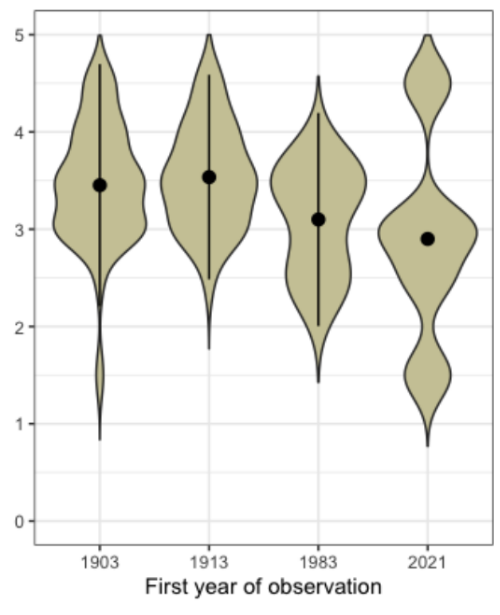
A remarkable decline in warm-adapted non-native species over time, as reflected by the range of ‘temperature indicator values’ by all species in each of the survey years.

The conclusion is clear: a major historical disturbance, such as the construction of the railroad back in 1903, can send shockwaves through an ecosystem that are still felt a century later. In this case, the impact of that disturbance has been even greater than that of contemporary climate change, as evidenced by the decline in both species richness and the temperature affinity of the community over time.

Our historical data is incomplete, so there remains some uncertainty about the exact sequence of events. Nonetheless, we could piece together a remarkable history that begins with gardens, stables, and foreign soil filled with ruderal seeds, followed by a steady decrease in disturbance levels and a corresponding decline in non-native ruderal species richness. The construction of the highway in the 1980s and its use since then has not yet resulted in an increase in ruderals along the Rallarvägen, likely because the Rallarvägen was not used as a construction road for the building of the highway. Nor has the recent warming climate led to a resurgence of these species.

Nowadays, ruderal species are as expected most strongly related to hotspots of introductions, such as the small train stations scattered along the tracks. Interestingly, here again disturbance trumps climate: the relationship of ruderal species was much stronger with disturbance than with climate.

A final interesting observation to point at here is that only very few ruderals, and especially non-native ruderals, have found their way from the Rallarvägen in the valley to higher elevations. Despite the presence of some well-visited hiking trails crossing the Rallarvägen, the uphill expansion of non-natives is limited. That is remarkable, given that they have had more than a hundred years to do so. The conclusion should thus be that most of these species are currently truly at their climatic limits here in the high north. Only a change in climate could thus make them move higher up…

Let that unfortunately exactly be what is happening…

The paper, published in the Nordic Journal of Botany, can be found here: https://nsojournals.onlinelibrary.wiley.com/doi/10.1111/njb.04382

Posted in General, Sweden | Leave a comment

36.000 tea bags for science

It has become the go-to technique for many ecologists who need a cheap and simple method to measure decomposition rates in the soil: burying tea bags. However, it is still rather mindboggling that the team behind the international Tea Bag Index collected data from 36.000 (!) of these cups of soil tea from across the globe. The key conclusions from this monitoring project with perhaps one of the more unusual sources of data in ecology (although clearly rivaled by ‘operation underpants’, where underwear is used for the same purpose) now got published in Ecology Letters. As contributor of my own set of these brews to the mix, I happily took part in this endeavor.

A pile of tea bags, ready to be buried for science

Burying tea bags is appealing for two reasons: you know the litter type, and you know the exact quantity of it. Standardizing both across all of the worlds’ soils can provide a unique insight in differences in the rate of decomposition across these soils. Indeed, for a fair comparison of litter decomposition, one needs to standardize the type and quantity of buried plant material. The choice of Lipton tea bags, consistent in plant species and weight worldwide, resolved this methodological challenge.

The global spread of the mindboggling 36.000 tea bags

The study participants buried both the very leafy green tea and the more recalcitrant rooibos tea. After a predetermined time, the partially decomposed tea bags were excavated and weighed to ascertain weight loss. Subsequent analyses aimed to disentangle the influence of climate variations and anthropogenic land use on both decomposition rates and the extent of material breakdown (and thus the resulting stabilization of the remaining material).

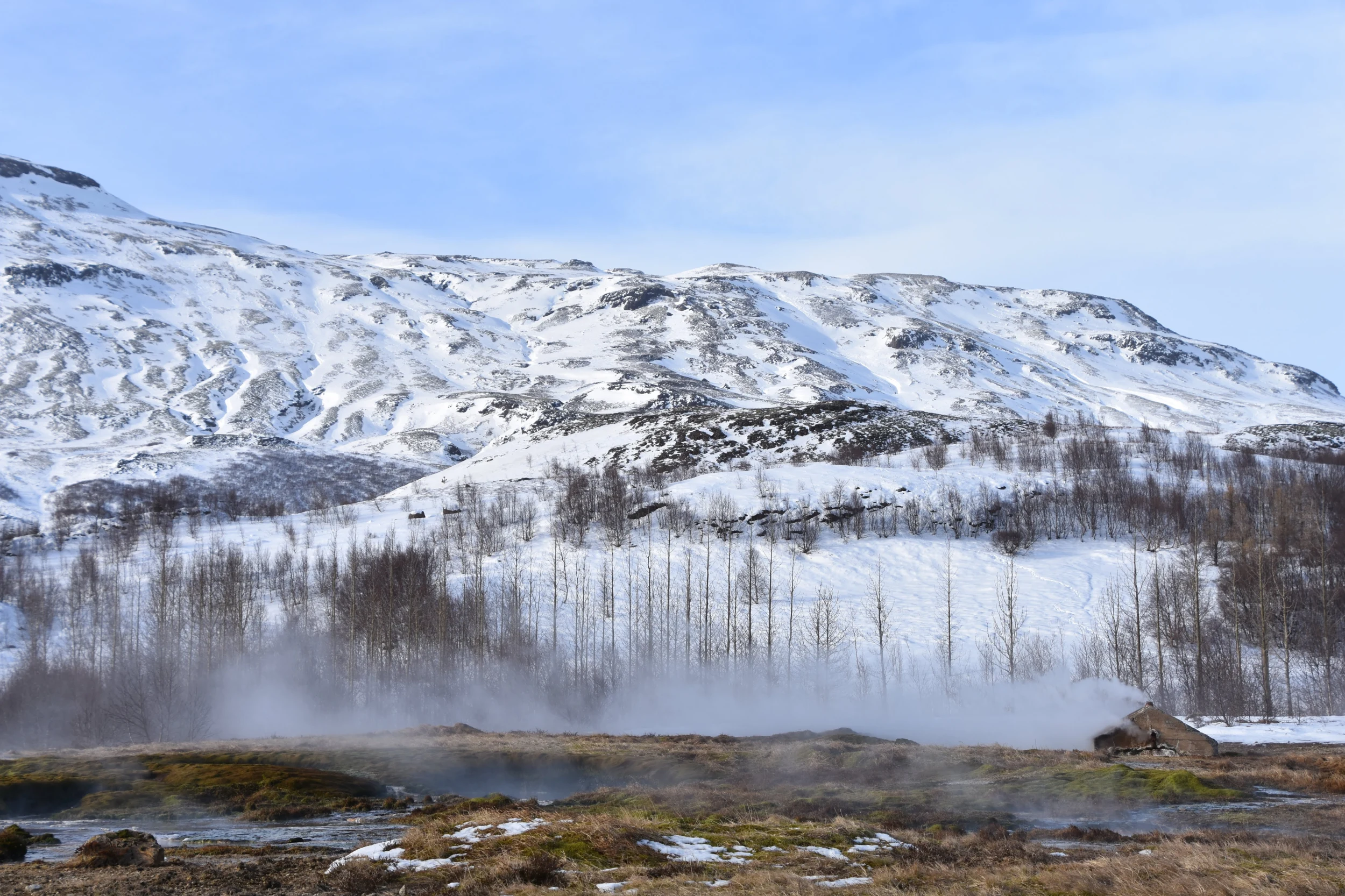
Tea bag decomposition is strongly influenced by local climate conditions (which are rather unusual in the depicted Icelandic landscape).

One would hypothesize that the initial rate of decomposition and the amount of mass loss correlate pretty well at a global scale. Using our thousands of tea bags, we found this to be true, indeed, yet with some intriguing nuances, particularly in cold regions, where decomposition dynamics defied conventional expectations.

Indeed, especially in cold regions, we often observed initially relatively quick breakdown of a portion of organic material, yet high remaining mass loss. This mismatch between loss rate and stabilisation is important, and could for example result from different drivers of two main competing pathways responsible for said mass loss: simple leaching of soluble components into the soil, versus breakdown by soil microbes. While the latter is rather sluggish in cold environments, the former can still result in rapid mass loss. While our correlational study cannot be conclusive regarding the exact driver at play – and we discuss some alternative hypotheses in the text – these findings do underscore the intricate region-specific complexities of these biogeochemical processes.

Global patterns in mass loss rates (kTBI) and stabilisation (STBI) as modelled using the 36.000 tea bags. Bottom panels indicate areas with lower accuracy (higher CoV).

In conclusion, our study sheds light on the intricate relationship between climatic factors and litter decomposition rates, emphasizing their vital role in ecosystem carbon cycling, particularly in the face of climate change. By uncovering context-dependent effects, we highlight the need for nuanced approaches in global carbon modeling. Our findings underscore the significance of empirical data in refining our understanding of these complex dynamics and in improving the accuracy of carbon models.

Posted in Science | Tagged , , , , , , | Leave a comment

Filling the gaps

Anyone working with microclimate data is familiar with time series data – repeated measurements over time at the same location.

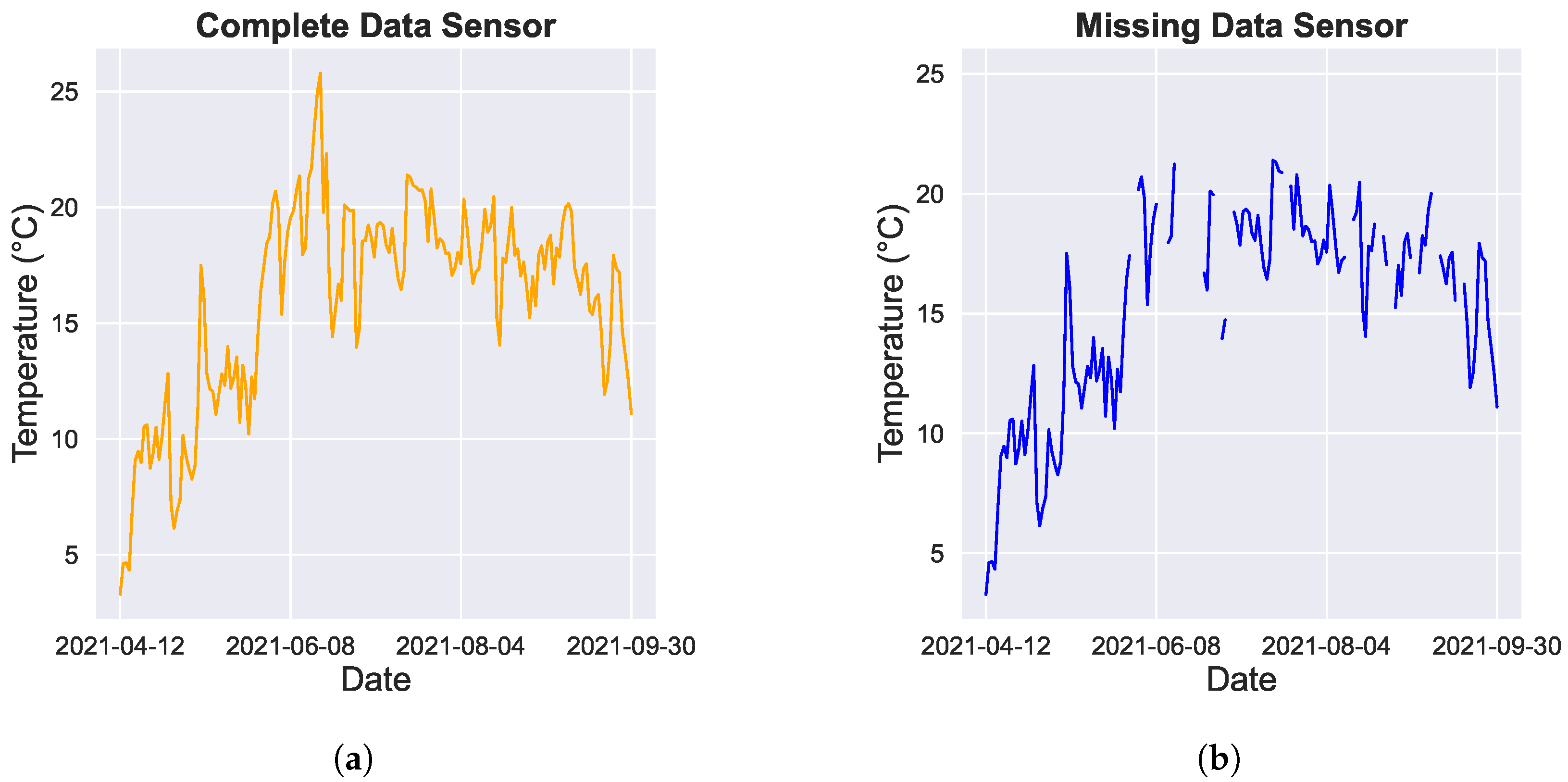
And anyone working with time series has bumped into an important potential issue with them: gaps. More often than not, time series are incomplete. There could be erroneous measurements, sensor malfunctioning, sensor replacement, data transfer issues, memory issues and so on.

Over time, a whole toolbox of techniques has emerged to fill those gaps and make those time-series whole again. In a recent paper, we tested a series of these gap-filling methodologies for their accuracy. That question is important especially for microclimate networks, as here not only the temporal but also the spatial relationship between time series is playing a role, and filling gaps is thus not a trivial exercise.

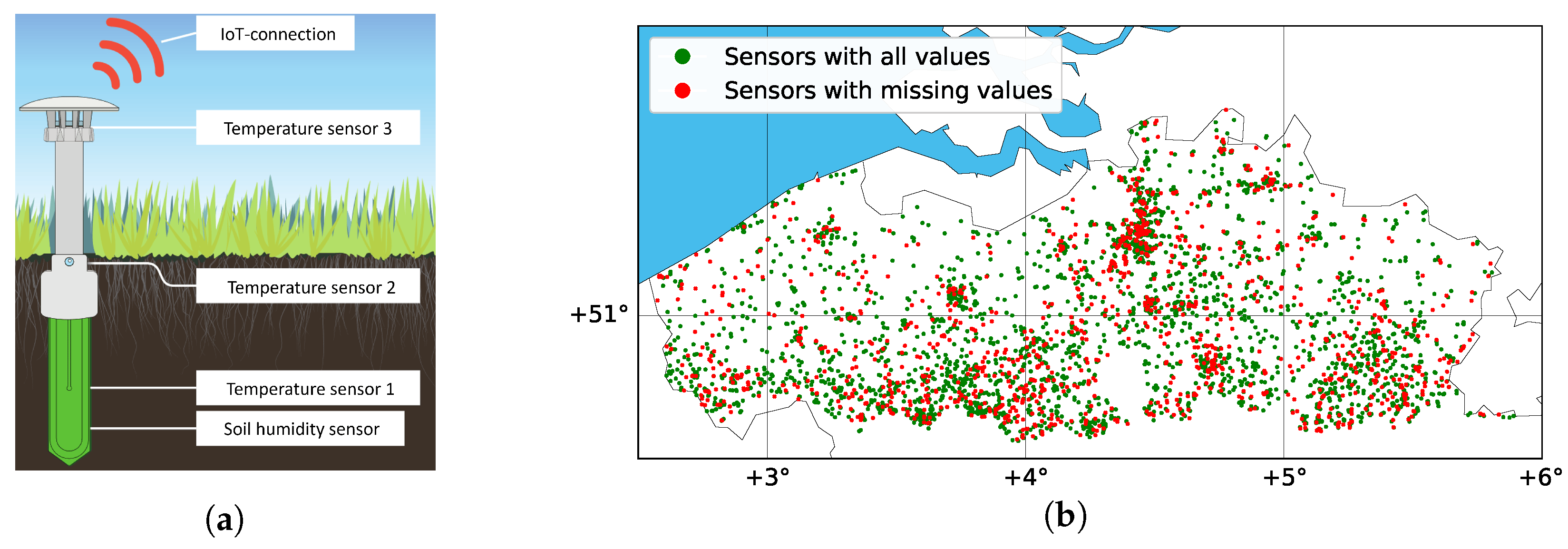
In this paper, we applied and evaluated 12 such gap-filling methods to complete the missing values in a dataset originating from large-scale environmental monitoring. For this, we used the unique dataset of 4400 IoT-connected microclimate sensors that were deployed across Flanders as part of ‘CurieuzeNeuzen in de Tuin’, our large-scale citizen science project on heat and drought.

(a) The TMS-NB microclimate sensor was used in a large-scale citizen science project on microclimate monitoring. The sensor measures temperature at three heights, as well as soil moisture. Data transmission occurred via NB-IoT. (b) The WSN covered 4400 gardens across Flanders. Sensor locations are colored based on whether time series were complete (green) or had missing records (red).

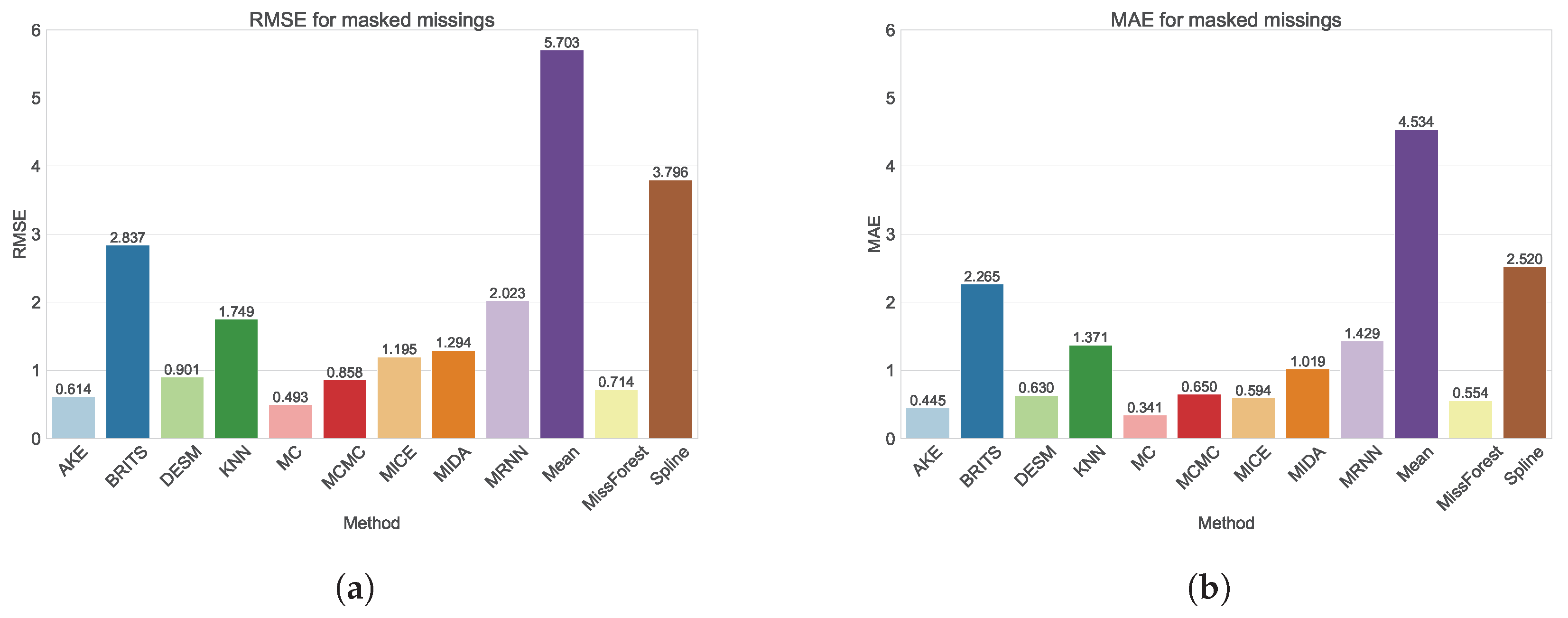
Methods evaluated included Spline Interpolation, MissForest, MICE, MCMC, M-RNN, BRITS, and others, and the performance of these imputation methods was evaluated for different proportions of missing data (ranging from 10% to 50%), as well as a realistic missing value scenario.

Accuraccy estimates (Root Mean Square Error and Mean Absolute Error) for the twelve tested imputation methods

Interestingly, techniques leveraging the spatial features of the data (such as MC, MCMC and MissForest in the graph above) tended to outperform the time-based methods. Importantly, as well, real scenarios of missing values – with gaps often occurring in larger blocks – often resulted in a lower performance of the models than artificial scenarios with randomly missing points, especially for more traditional techniques such as MICE.

Of course, this result is not the final conclusion on the debate which gap-filling technique to use. The outcome strongly depends on the specifics of the datasets at hand, in our case a dataset of microclimate data of fairly short duration (only little seasonality), with relatively sparse temporal resolution (every 15 minutes) and unusually high spatial density (4400 sensors across Flanders). These features work in favour of techniques that take the spatial features of the data into account, and reduce the applicability of e.g., deep-learning techniques that might prove more robust for more complex time series with longer temporal window and higher temporal resolution.

So, let’s hope this exercise in gap-filling can help other microclimate enthusiasts in their search for good solutions!

 Source: Decorte et al. (2024) Missing value imputation of wireless sensor data for environmental monitoring. Sensors.

Posted in Belgium | Tagged , , , , , , | Leave a comment

A wealth of wildflowers

One could wonder if the microclimate-based models of Haesen et al. would have predicted such a wealth of wildflowers in the garden of our new home!

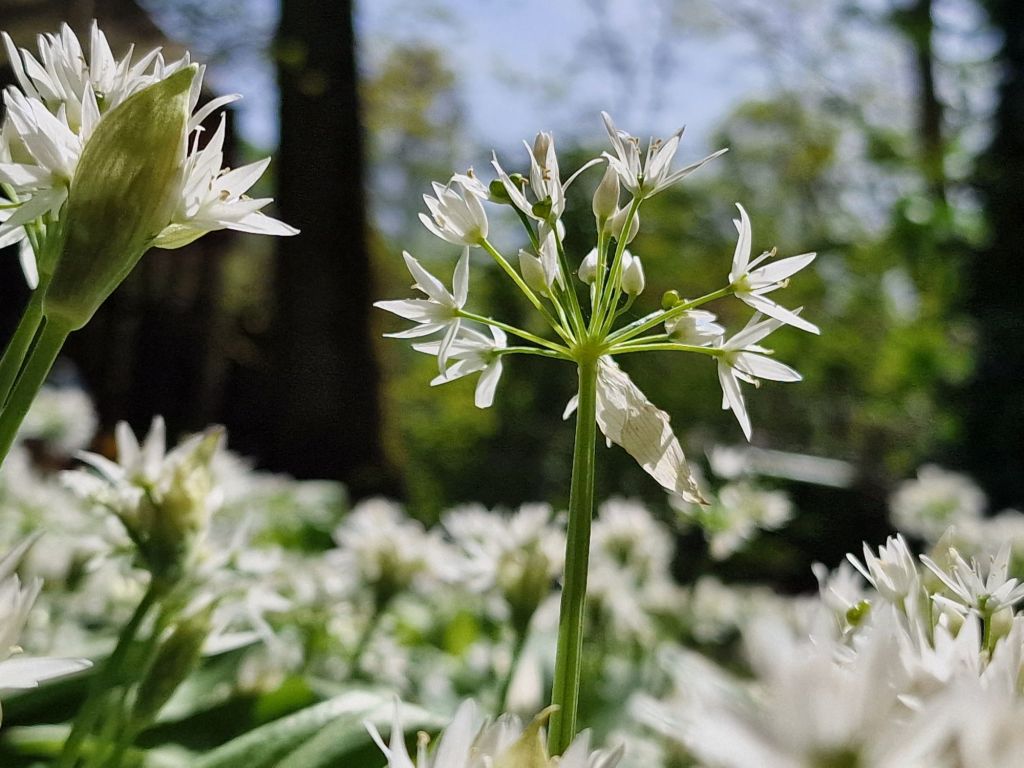
Wild garlic

This is our first spring in our new garden, and we could thus have hardly foreseen that so many beautiful decorations would spring up in our little patch of forest!

Lily of the valley

Of course, that is if our distribution models would not have said so. In this recent paper in Ecology Letters, we used our high resolution (5 x 5 m) maps of forest microclimate to improve distribution models of forest understory plants.

5 x5 m might just be enough to give our garden its own little pixel on the maps, so it could be worthy to investigate…

Of course, I should not tell you that all that greenery was one of the reasons why we bought the place, so I am beyond excited that the garden is rewarding our decision so handsomely!

Bluebell
Wild garlic
Posted in Belgium, General | Tagged , , , , , | Leave a comment

A drastic shift in mycorrhizal communities

One of the key findings of the Mountain Invasion Research Network (MIREN) is that mountain roads have a MASSIVE impact on their surrounding vegetation. Whole communities are changing, non-native species are moving in, and all kinds of species are moving hundreds of meters up and down along them.

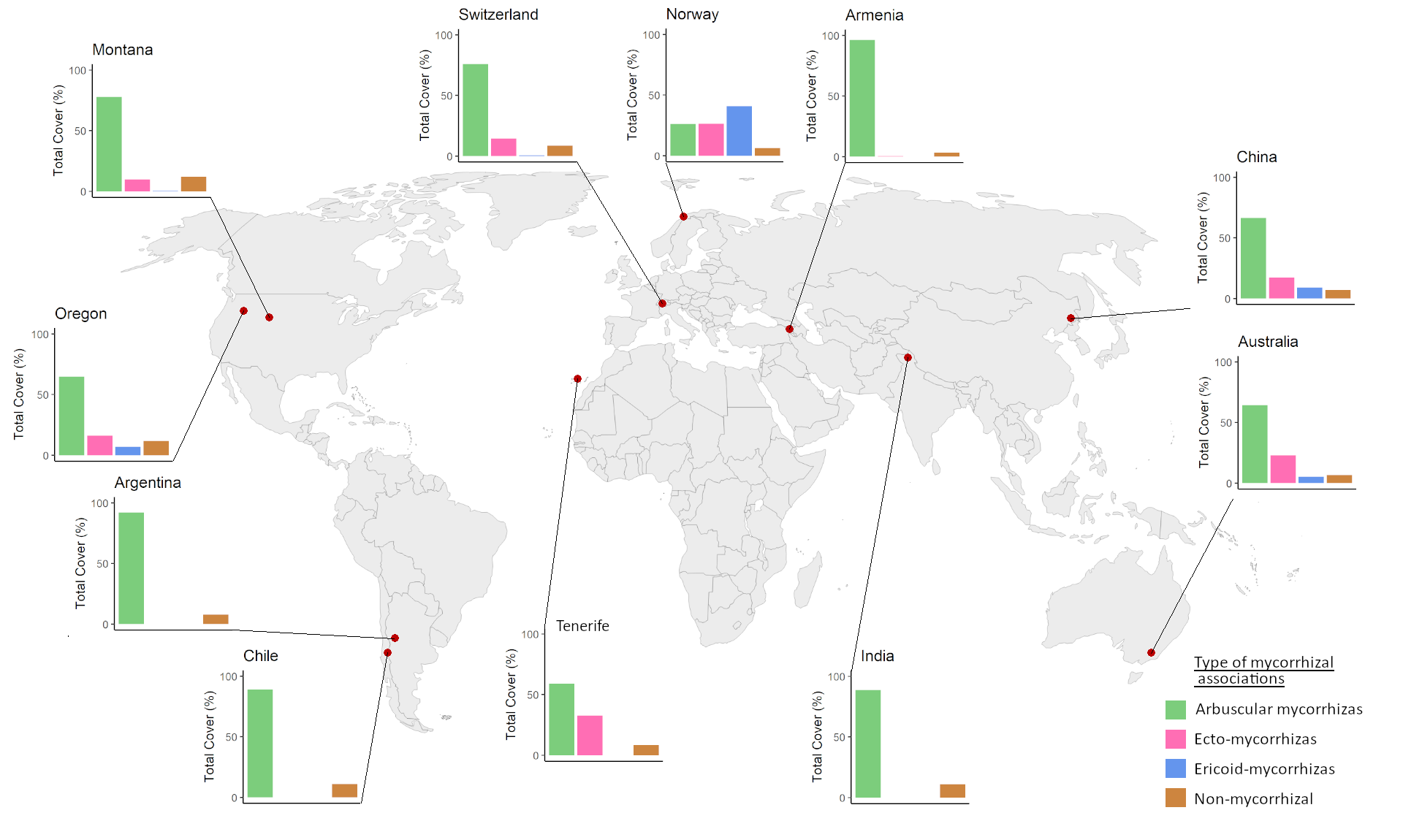
Now (in this paper), we add a new and intriguing component to that story: belowground communities are changing fundamentally as well, and these changes are surprisingly consistent across the globe. In a first attempt to include the dynamics of belowground communities into our global MIREN storyline, we looked at the dominant mycorrhizal associations of plant communities along mountain roads.

We estimated the percentage of plant species in each of our MIREN plots from mountain regions across the globe that was associated with a certain mycorrhizal type, and analyzed trends in the dominance of each of these types along climatic gradients, contrasting disturbed roadsides with (semi-)natural interior vegetation.

Studied mountain regions and their mycorrhizal associations

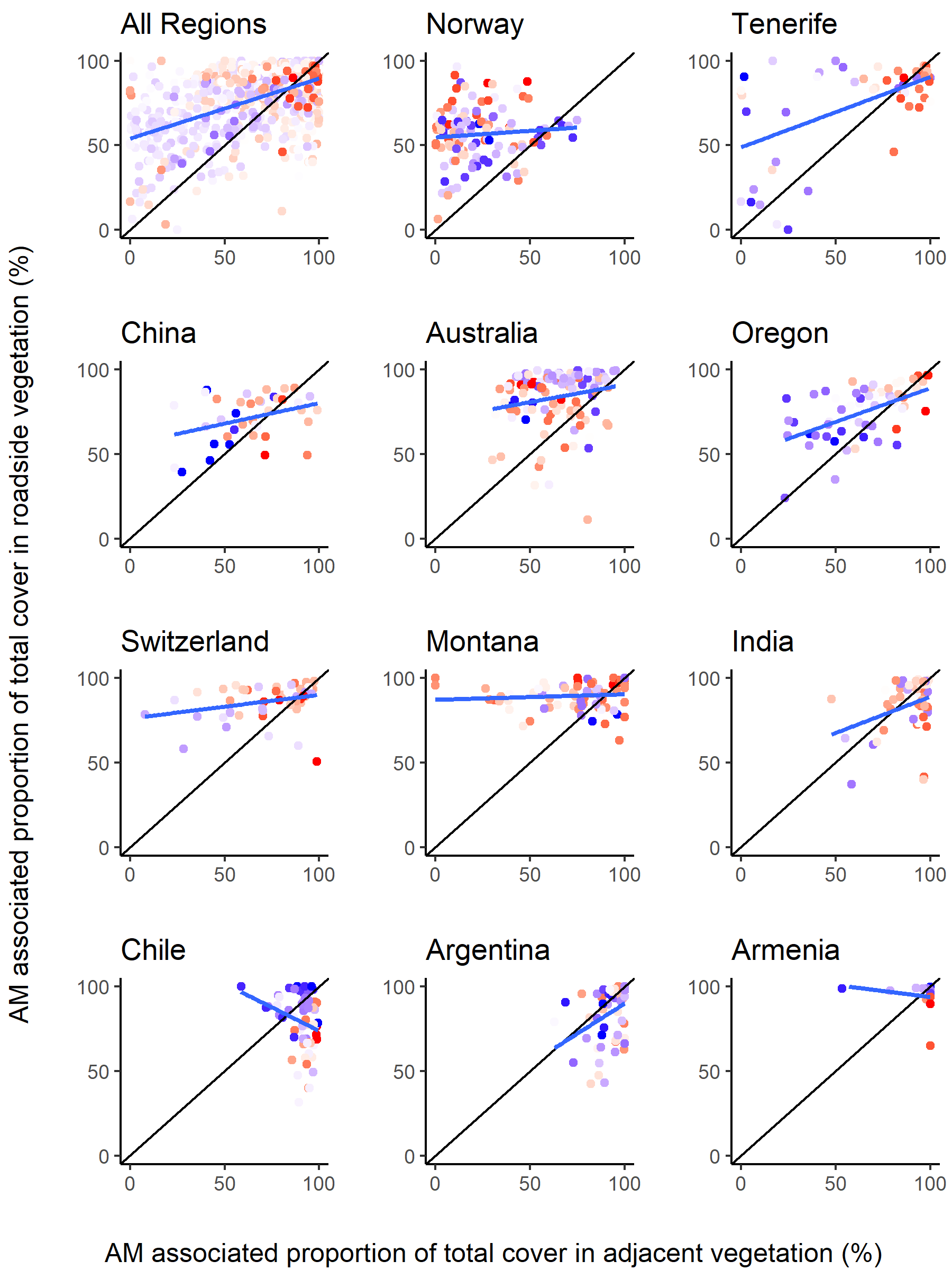
Conclusions were surprisingly clear: while changes in vegetation are often relatively murky and contradictory between regions, trends in the dominant mycorrhizal type were relatively straightforward: roadsides overwhelmingly facilitate the establishment of communities associated with arbuscular mycorrhizal fungi (AMF), to the detriment of ericoid and ectomycorrhizal species. Even more, that beneficial effect on arbuscular mycorrhizae was especially strong in regions traditionally dominated by ecto- and ericoid mycorrhizal communities – often those with colder climates, such as our own northern Scandinavian research site.

A complex figure, perhaps, but the key story of the paper: the lower the proportion of AM associated plants in the adjacent vegetation (x-axis), the stronger the increase in AM-associated plants in the roadside (blue line above the 1/1-line). This pattern was especially strong in Norway, a region traditionally relatively poor in AM-associated species.

This ‘power to the AMF’ we see along mountain roads is very much in line with the known traits and preferences of these fungi and their associated plants. Indeed, roads tend to favour ruderal species, commonly AM or non-mycorrhizal (NM) plants, to the detriment of more perennial and woody plants, more likely to be associated with EcM and ErM fungi. We thus expected road disturbance to correlate with increased AM and NM representation and decreased EcM and ErM, yet were pleasantly surprised with the generality of that pattern.

MIREN surveys cover an impressively wide variety of mountain roads, yet observed patterns were surprisingly consistent among them. a) High elevation gravel roads in the Argentinian Andes b) Lowland gravel service road in the Norwegian Scandes c) High elevation asphalt road in Yellowstone, USA d) Lowland asphalt road in Chile with strongly invaded roadside vegetation e) High elevation gravel road in Tenerife f) Lowland snowed-in gravel road in the Norwegian Scandes.

A possible hypothesis behind our – for now unfortunately only observational – correlation would be that roadside disturbance leads to increased soil nutrient mineralization and/or reduced soil acidity, which AM-fungi are more apt at taking advantage of. Indeed, it is no coincidence that most ruderal plant species are associated with AM-fungi, with their relatively rapid colonization strategies, generalist nature, lower level of specialization for specific soil conditions, and preference for dynamic, disturbed habitats. The fact that these ruderal AM plant species are generally faster growing and more disturbance tolerant due to their ability to take advantage of vegetation gaps, thus could begin to explain the patterns we observed: increased nutrient availability, less extreme pH, more dynamic conditions, and reduced competition in roadsides all act in favor of AM plant species.

These intriguing patterns raised an obvious next question to us at the Mountain Invasion Research Network: what would the impact be on non-native species? Surprisingly perhaps, virtually all non-native species in all our studied mountain regions are AM- (or some NM-)associated. This does make sense, however, if one thinks about how strongly they are associated with roadsides; which we now showed to be the ultimate heaven for AM-associated plant species. Yet we went one step further: we also showed that these AM-associated non-native species can now also much more easily escape from the roadside into the adjacent vegetation if the latter is more AM-dominated. Another reason why invasion levels in our ericoid and ectomycorrhizal vegetation in northern Scandinavia are virtually zero?

Misty mountain road in the Argentinian Andes

Our results represent an important first global study of the role of anthropogenic disturbances in shaping mountain plant communities through the mycorrhizal fungi they associate with. While these findings might sound theoretical, they have important implications for vegetation restoration worldwide, as they suggest that roadside disturbance can change the fundamental make-up of EcM- and ErM-dominated plant communities, potentially shifting communities between alternative stable states of mycorrhizal dominance that could be very difficult to reverse.

The paper can be found here!

Posted in Science | Tagged , , , , , | Leave a comment

Microclimate, an important part of ecology and biogeography

From the first days of SoilTemp, we had the ambition to turn this project into more than ‘just a database’. SoilTemp could become the much-needed glue to stick together microclimate ecologists and biogeographers from across the globe, and give them an opportunity to learn from each other and jointly move the field forward.

It was time for such a community, we believed, as microclimate research was rapidly evolving into a booming scientific discipline and, after several decades of crucial fundamental work, the field was finally truly turning global.

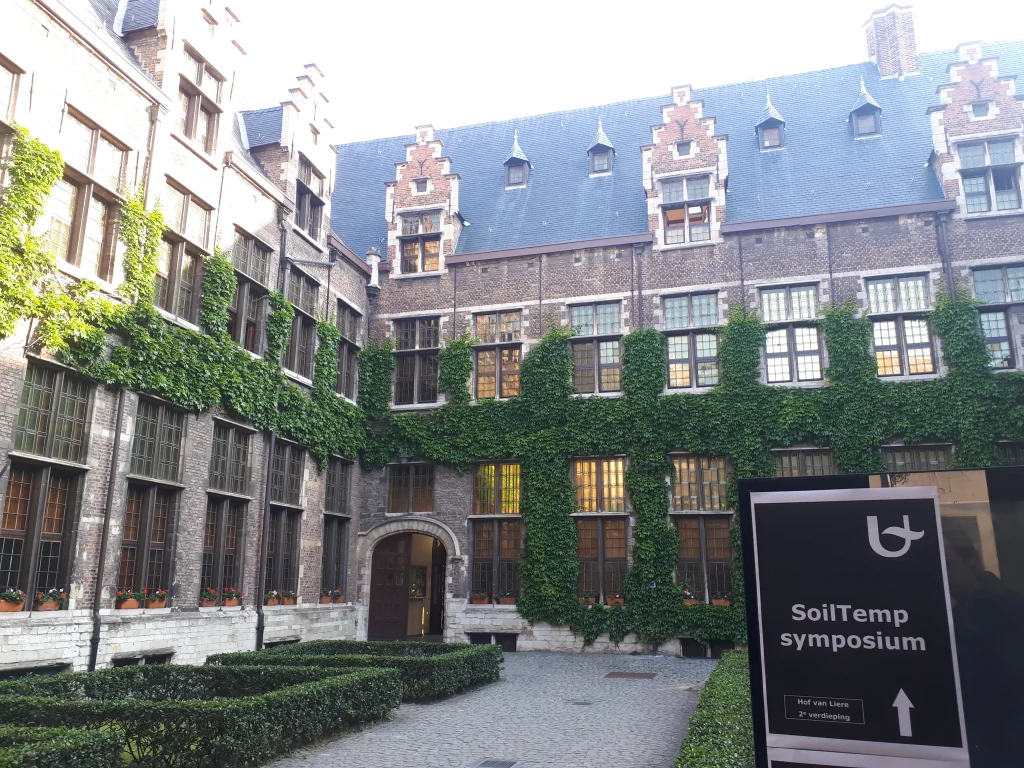
This vision for a collaborative future saw its first, and perhaps most important, pinnacle in 2022, when we managed to bring together more than a hundred microclimate enthusiasts at the first Microclimate Ecology & Biogeography (ME&B) conference in Antwerp. For a week, the spacious rooms of our beautifully old conference facility was buzzing with microclimate research from all across the globe.

The conference facility at the University of Antwerp in Belgium

So inspiring was the atmosphere, that we decided to write down what we learned at that conference and inform the world about the major strides forward that our field has taken and, importantly, where we believe the field is and should be heading next.

Thanks to a gigantic effort by 97 conference participants, the output of that story now got published: a perspective piece called ‘Microclimate, an important part of ecology and biogeography’. The main message of that paper got nicely summarized by lead author Julia Kemppinen on X.

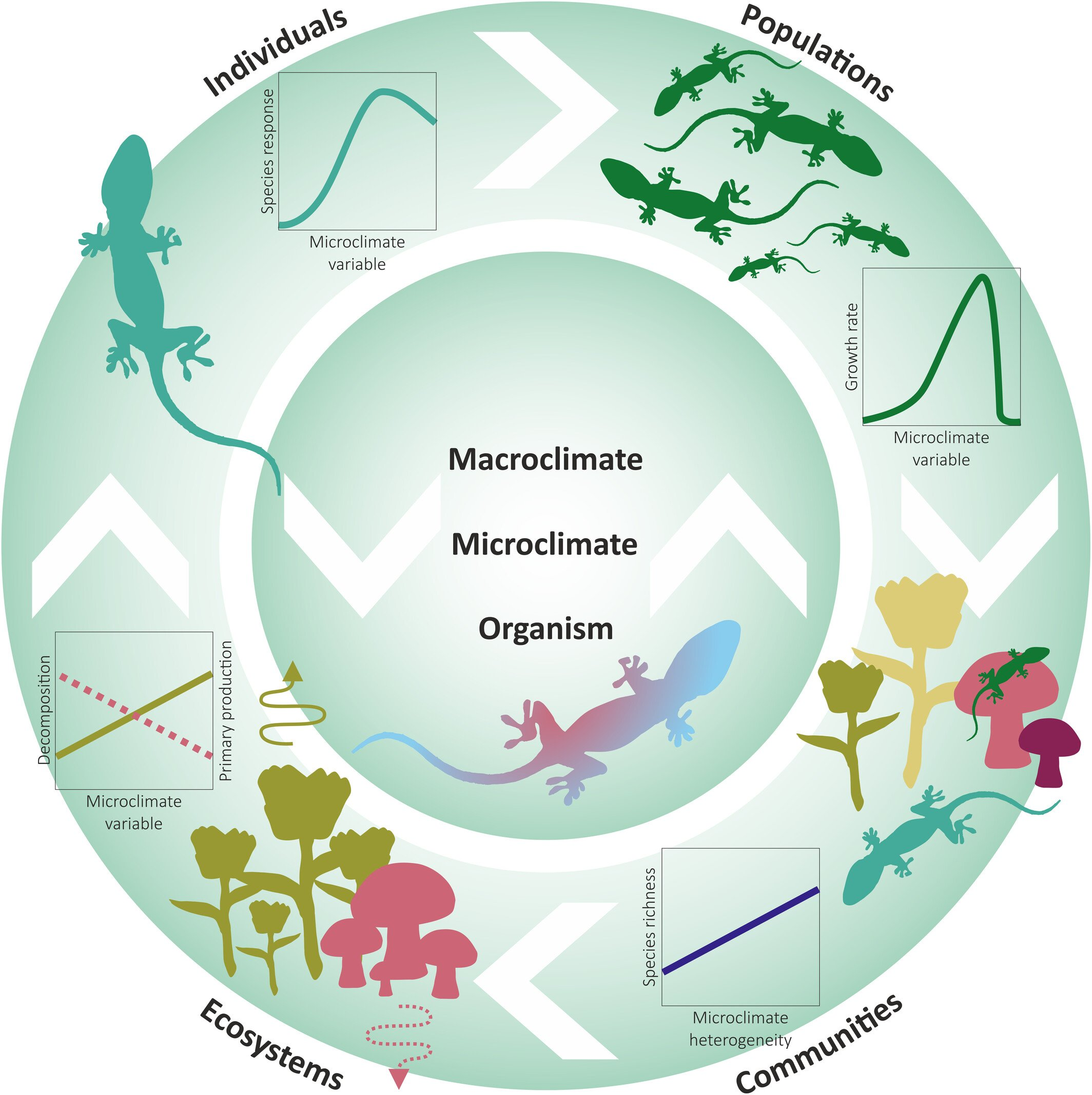
In the article, we summarize the current status of microclimate ecology and biogeography as its own scientific discipline. First, we highlight the latest research on interactions between microclimates and organisms, including how microclimates influence individuals, and through them populations, communities, and entire ecosystems. We show how this is increasingly being studied from the tropics to the poles.

We discuss the importance of microclimates in ecosystem management under climate change. We showcase new research in microclimate management with examples from biodiversity conservation, forestry, and urban ecology.

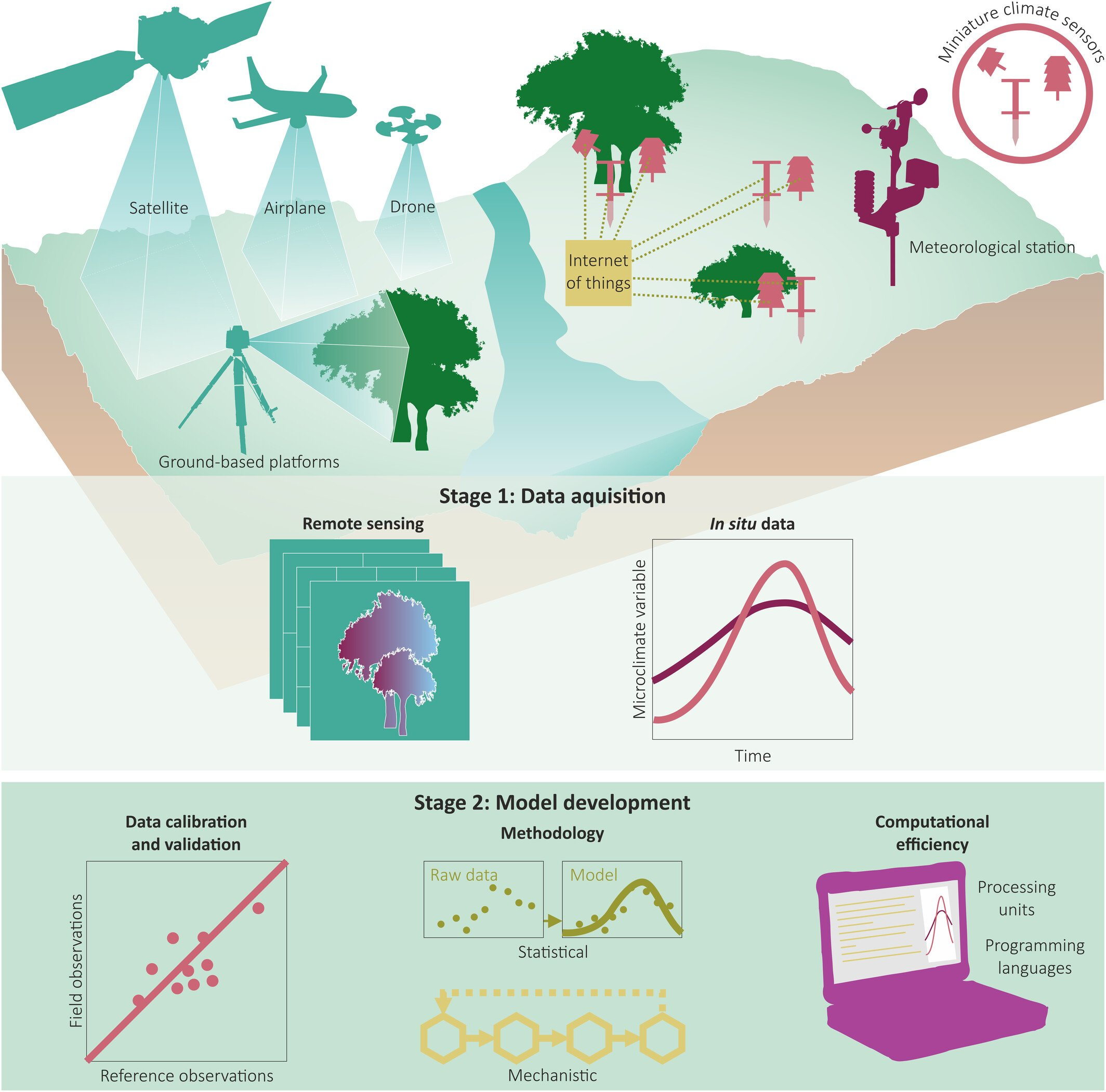
Finally, we summarize the recent advances in data acquisition, such as novel field sensors and remote sensing methods. We discuss microclimate modelling, mapping and data processing, including the accessibility of modelling tools & advantages of different modelling approaches.

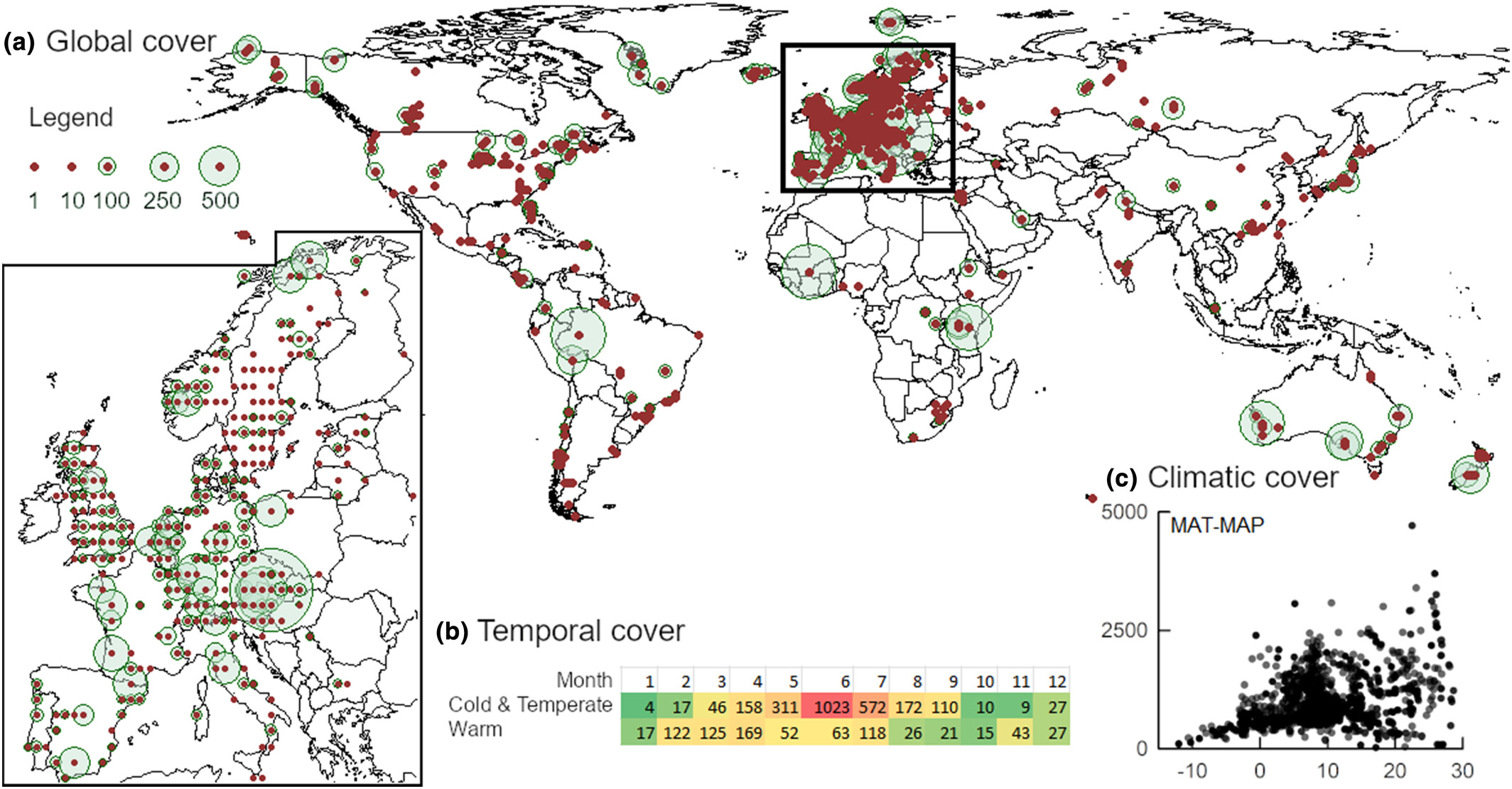
Most importantly, we thus ask the question: what is next for microclimate ecology and biogeography? We identify major knowledge gaps that need to be filled for further advancing microclimate investigations, applications, and methods in the fields of ecology and biogeography. First of all, global microclimate research should be conscious of its biases. For instance, forest and tundra biomes are well represented in the microclimate literature, while microclimates matter to many terrestrial organisms across all terrestrial biomes. Second, it is also important to note that in the English-written scientific literature, microclimate ecology and biogeography are largely represented by studies, researchers and institutions of European, North American and Australian origin. We emphasize that these knowledge gaps and biases are important to consider in all future research that aims for a genuinely global coverage in microclimate investigations. This is key for making ecology and biogeography a more global endeavour.

That said, our most urgent research gaps include 1) spatiotemporal scaling of microclimate data, 2) quantifying and understanding the mismatches between macroclimate and microclimate in predicting responses of organisms to climate change, and 3) the need for more evidence on the outcomes of microclimate management.

The ME&B-excursion brought us to the gigantic Ecotron experimental facilities of the University of Hasselt. A more mechanistic understanding of microclimate and its role in ecosystem functioning is high on the list for ‘what’s next’ in microclimate science

With all that in mind, this is clearly an optimistic paper: we show how we can come together with our own expertise and background, from all over the world, and rapidly move a field of research forward. Who would have thought, ten years ago, that microclimate would have become such a crucial parameter in all of ecological research? Who would have thought that so many of us would now routinely incorporate a microclimate perspective in their research? We haven’t saved the world just yet, but at least we brought a global community together with that goal in mind.

As such, the ME&B-conference was indeed truly a pinnacle of our work at SoilTemp. However, mind you, this was just the beginning of microclimate science as a global discipline. Now, our ‘snowball’ is rolling downhill, and increasingly gaining momentum. Wanna jump on? A perfect opportunity would be the néxt ME&B-conference, happening this August in Helsinki.

You wouldn’t want to miss it, as there is still so much more to learn!

Posted in Science | Tagged , , , , , | Leave a comment