Summer

Summer - 2

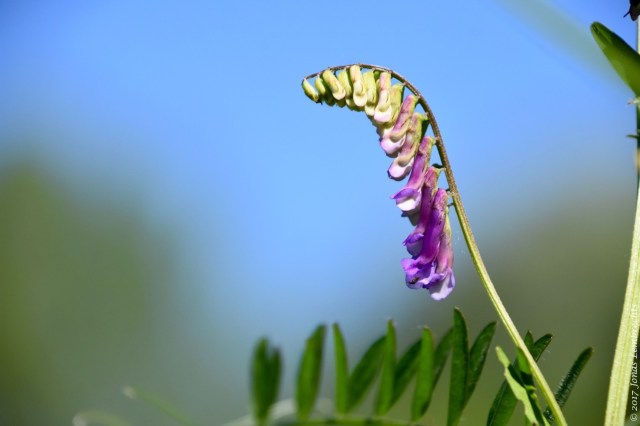
Vicia cracca

Summer is upon us! Heaven for a botanist like me, with all shades of green and sparks of color popping up wherever you look.

Summer - 3

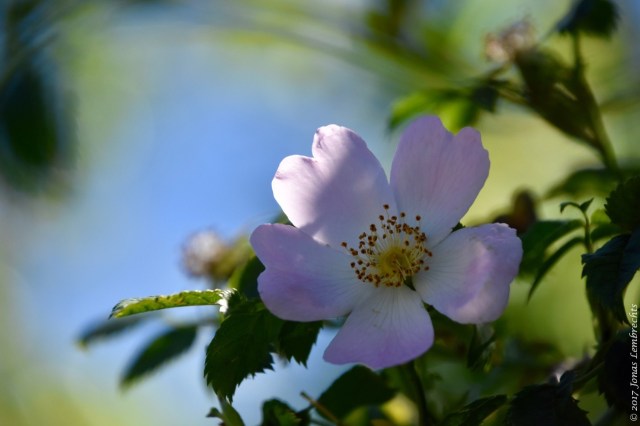
Rosa canina

Two consecutive winters of stubborn species studying is now again put to the test, and the results are promising: I think I have never recognised more plant species than now.

Summer - 1

Rhododendron ponticum

Yet the real test is still a few weeks away, when the snows finally melt above the polar circle in Scandinavia. Then I have to know them all, to resurvey the plots we put out there 5 years ago.

Posted in Belgium | Tagged , , , , , , , , , , | 1 Comment

Den nya Floran!

My new books arrived! Brand new version of ‘Den nya nordiska Floran’, the book that provides the foundation for all my research.img_20170519_103637_34650425311_o

Perfectly clear (and totally stunning) drawings and good distribution maps of all plant species in Scandinavia, the crucial attire for a botanist-ecologist investigating species distributions in the subarctic.

With this new set in my possession, enough to equip the team, I am feeling totally ready for the upcoming field season!


Posted in Norway | Tagged , , , , , , , , , | 2 Comments

What is hiding in mountain roadsides?

5 years later, we are getting ready for a re-survey of our longterm observational plots along the roads in the Norwegian mountains. The perfect moment to summarize for a second what we learned from our first trip. This post was published first in a series on this summer’s field trip on the INTERACT blog.
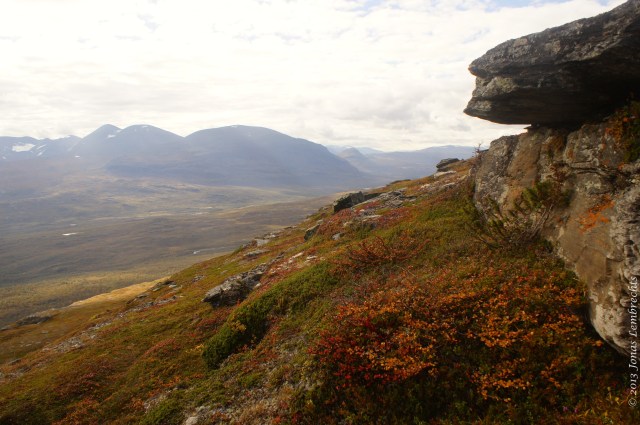
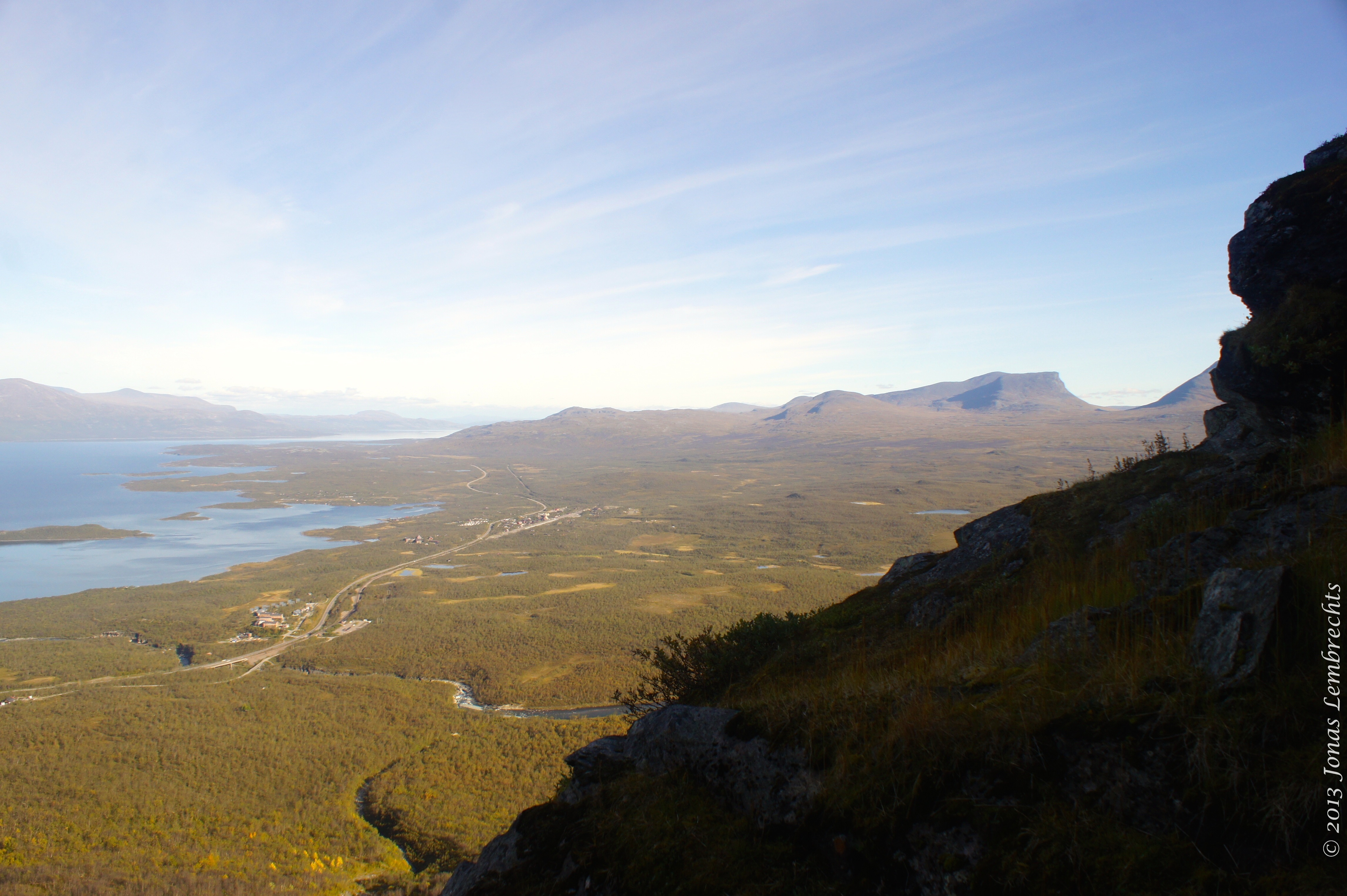
View on the valley of the Abiskojokka

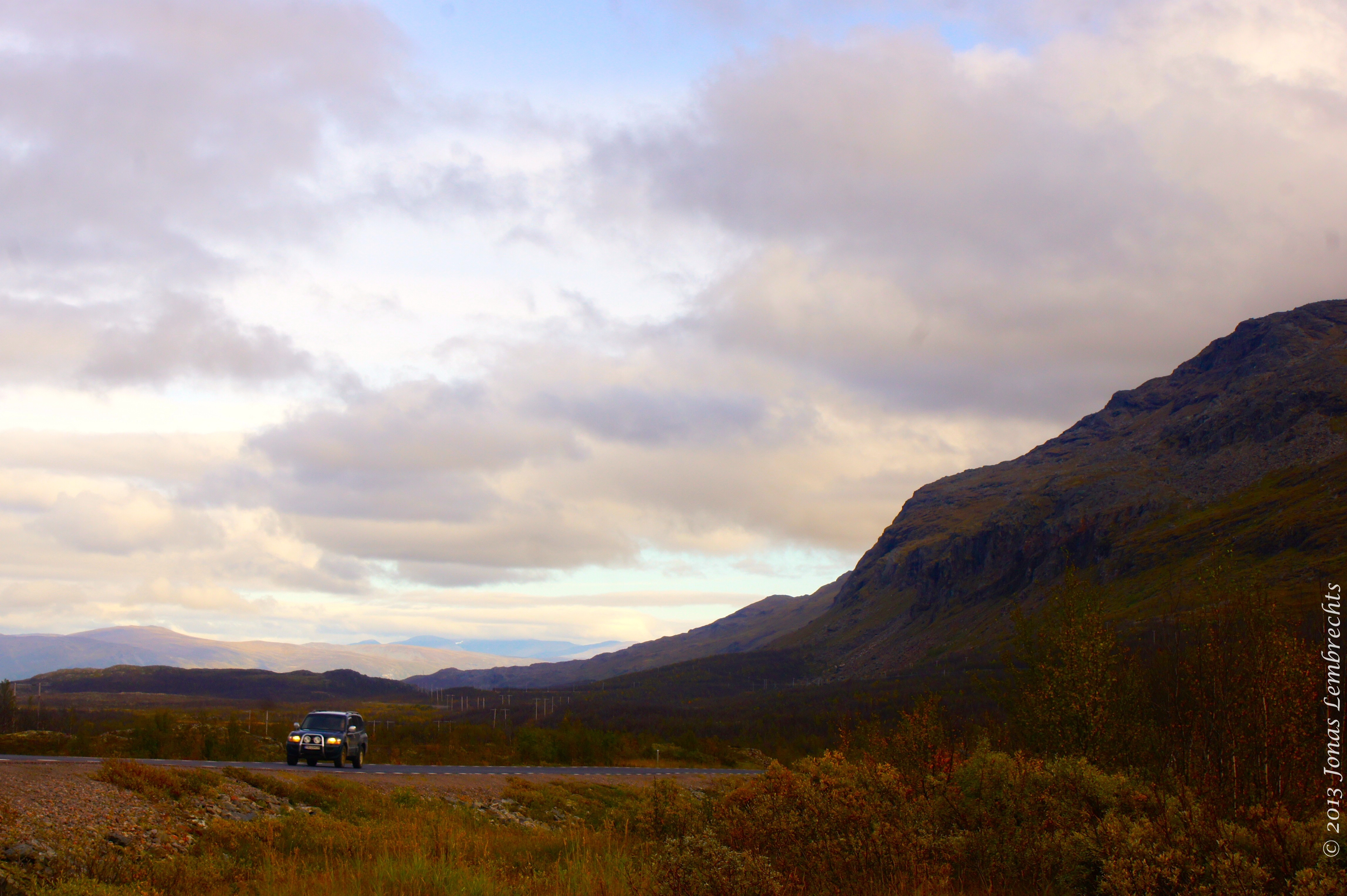
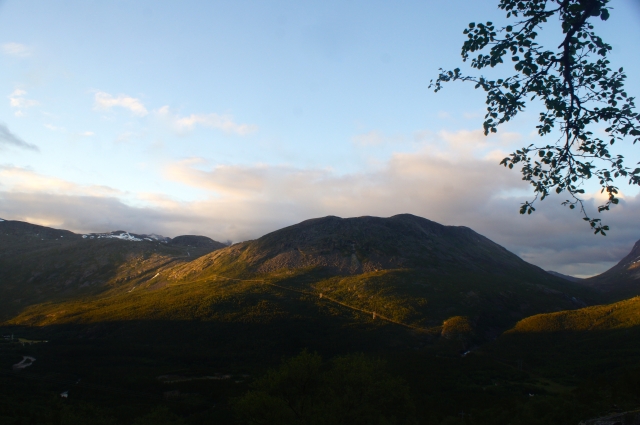
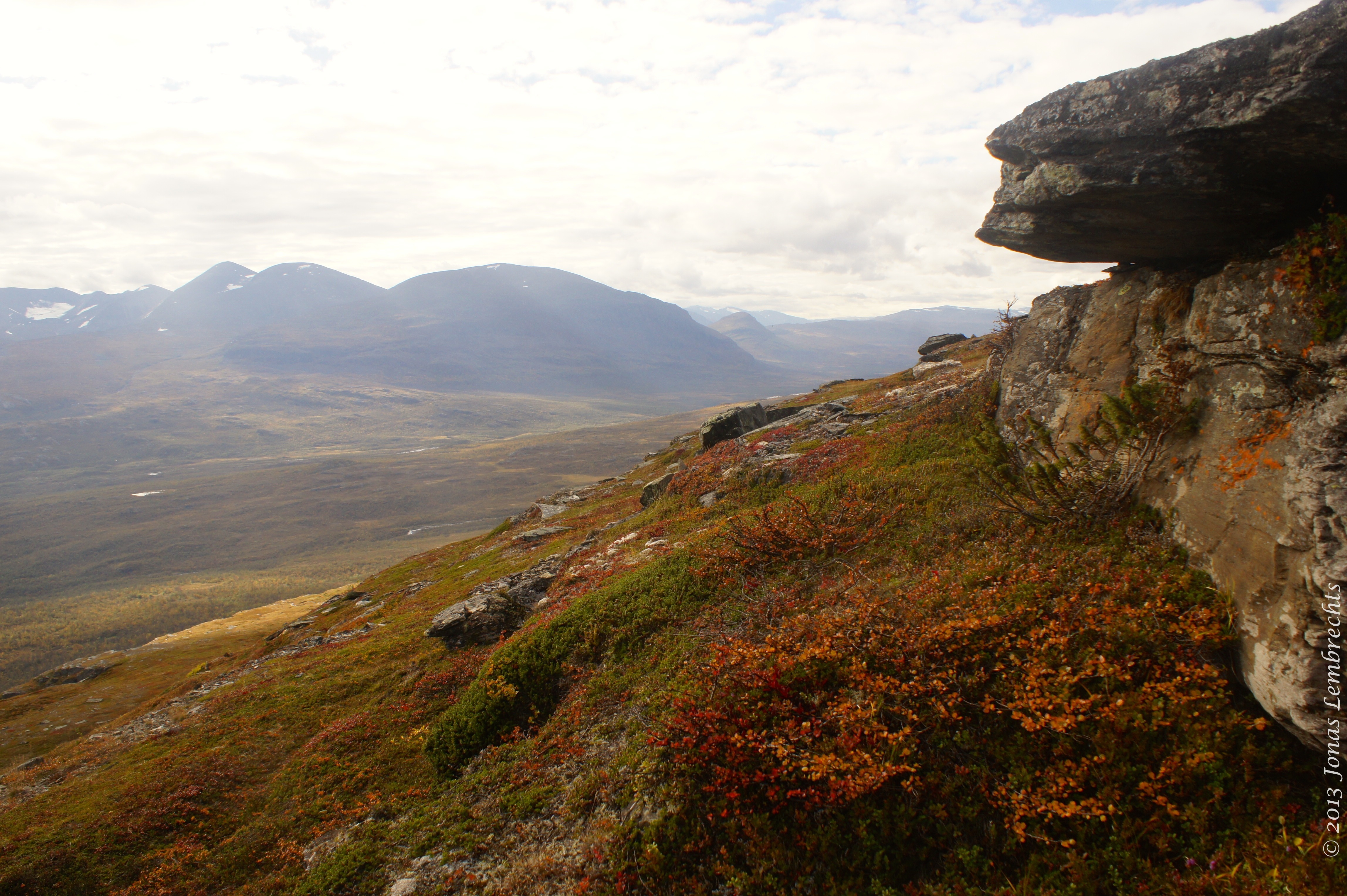
Autumn in the Arctic mountains, the setting for our research. All pictures from the previous campaign in 2012.

Mountains are increasingly important islands of pristine nature in our rapidly changing world. They contain some of the most diverse biodiversity hotspots in the world, have a high aesthetic value and their conservation is important even from an economic viewpoint.

Mountains

For now, alpine ecosystems are among the least disturbed ecosystems in the world. However, climate change and increasing levels of human influence are rapidly changing the face of our mountain nature. A clear example of this human influence is given by the building of roads in mountains, which does not only physically disturb the alpine vegetation, yet also initiates an avalanche of consecutive effects on the mountain ecosystem.
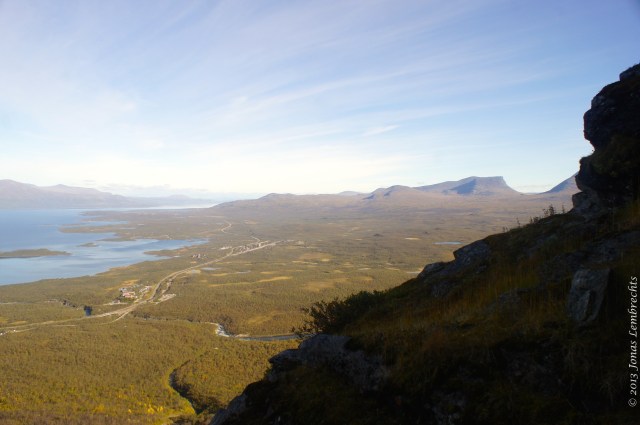
View on Abisko village

With our long-term observational project, we study the reaction of the alpine vegetation to such mountain roads. One lonely road to the top often marks the beginning of an intensive process of disturbance, as it creates access for both tourists and industry. It is well known that roadsides change the ecosystem in all its facets and that they cut the core of undisturbed vegetation in smaller, devaluated pieces.
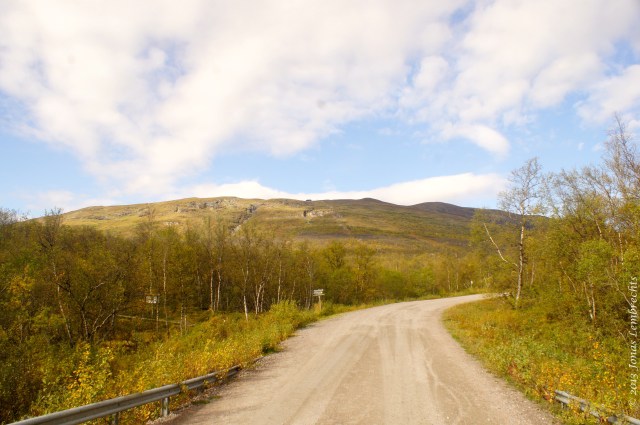
 Roads

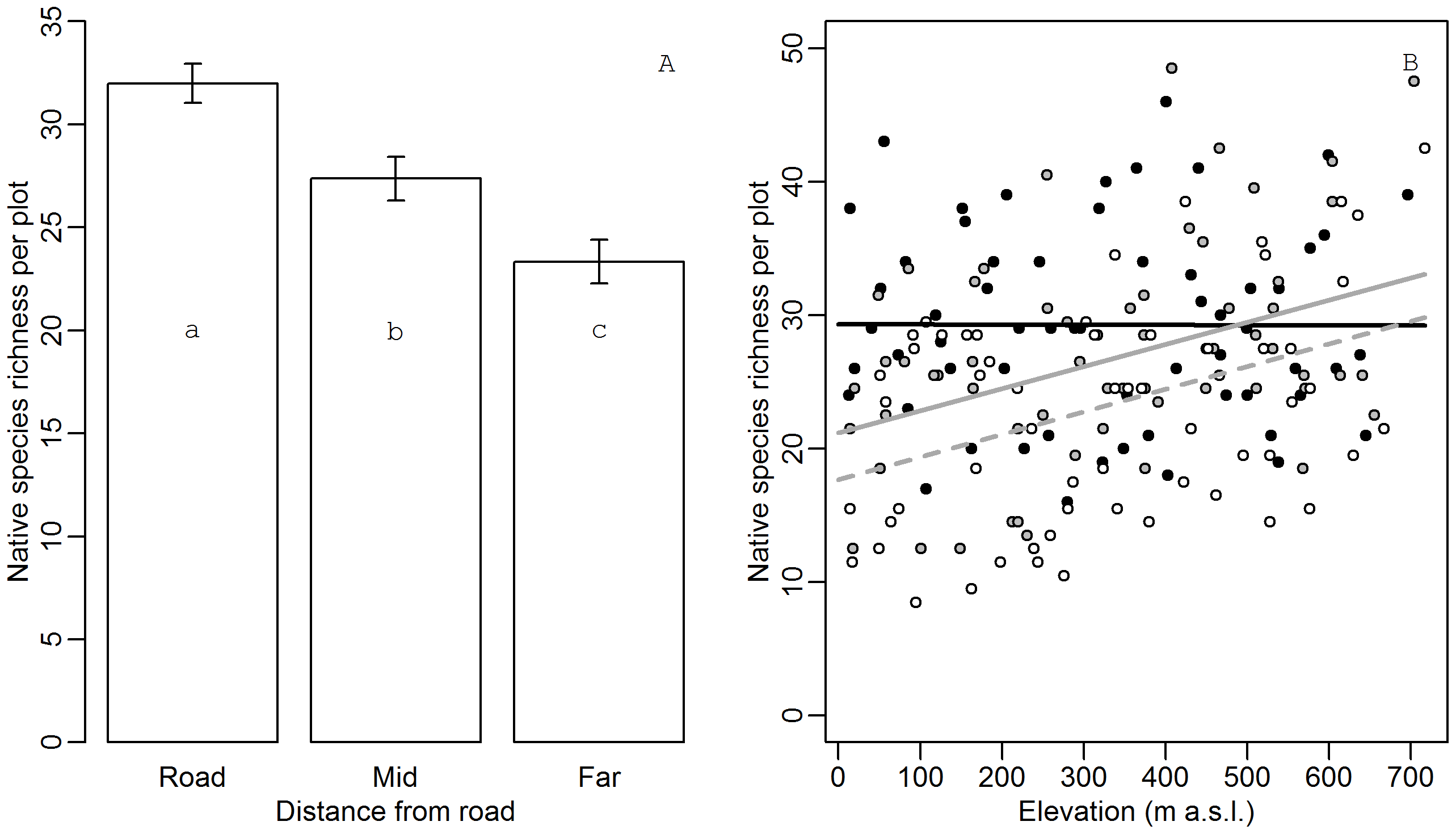
Perhaps surprisingly, roadsides in the subarctic mountain system host a HIGHER plant diversity, as can be seen on the following graph. A counter-intuitive result, at first sight, as you might not have expected any positive effect of such a radical disturbance on nature.

 Graph native richness

However, before we all start celebrating this positive outcome, we should have a closer look at the processes that explain this higher species richness. I already highlighted the completely different growing conditions in roadsides. Apparently, these conditions are ideal for a lot of species that normally do not get a chance in the natural system.

In our system, this sudden opportunity for so many species results from the clear negative effect of the roads on the most important plant species in the Scandinavian mountains: mosses and crowberries. Together with a few other berry species, they create an  uninterrupted, dense understory. This dense mattress effectively blocks all germination chances for virtually all other species. The crowberries use an even more vicious trick: they produce chemical compounds that actively limit germination chances of their competitors for space. Consequently, the normal, undisturbed ‘climax’ vegetation in the subarctic mountains often hosts only a meager ten species, the others are all efficiently outcompeted.
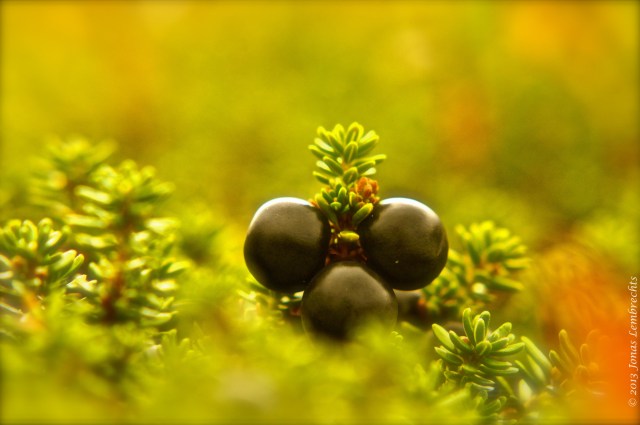
Crowberry - Empetrum nigrum

When humans start building roads in these systems, the dense cover of mosses and berries is destroyed. The natural vegetation disappears and the remaining bare soil creates magnificent opportunities for new seedlings of so many species that would otherwise stand no chance at all.
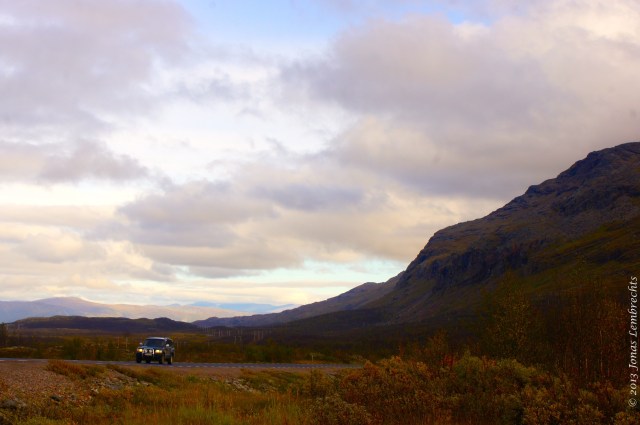
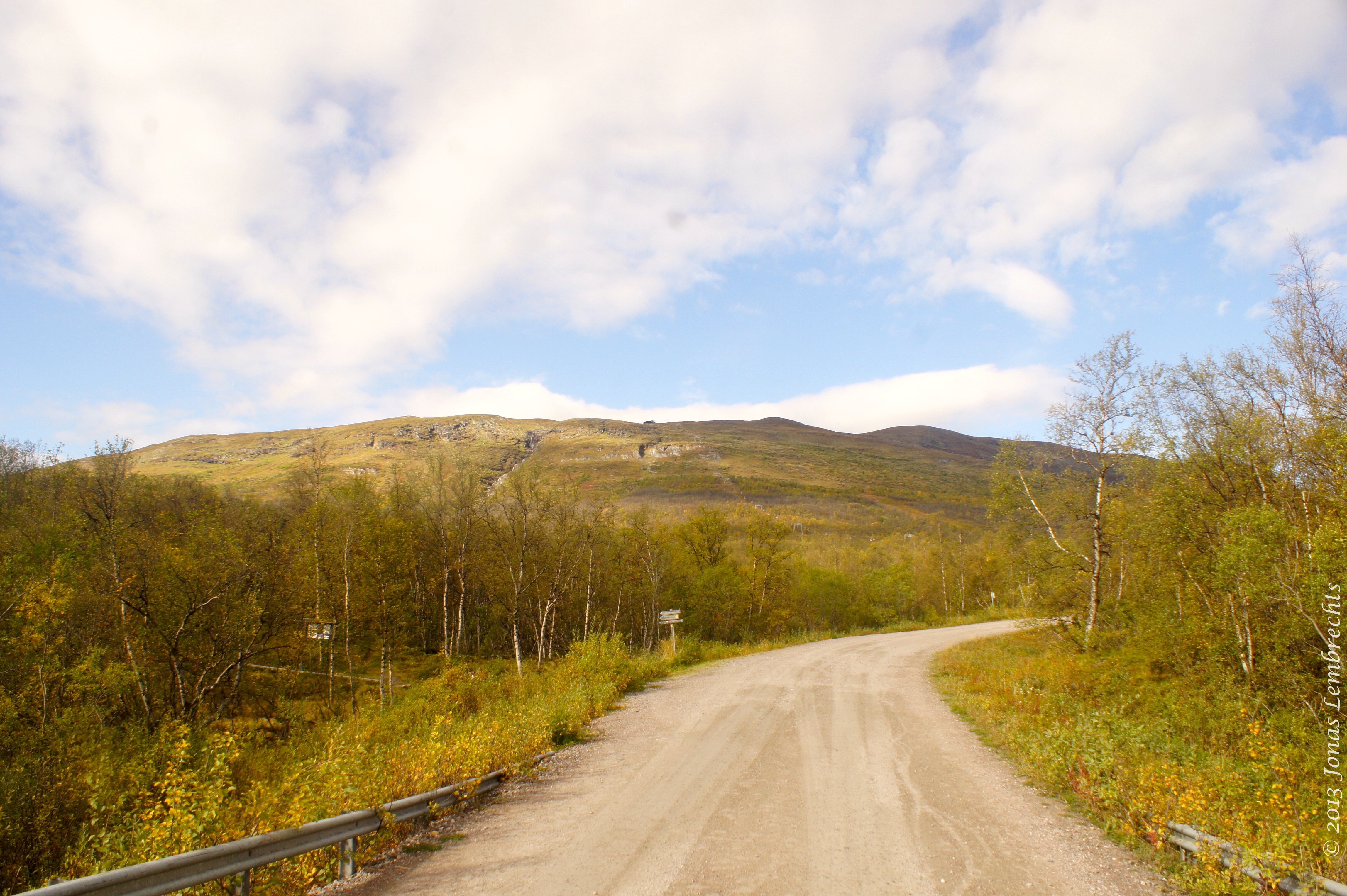
Road in the autumn

So, the loss of the insuperable bully leaves the playground free for all other plants to flourish. This gives a higher diversity, although the resulting vegetation is completely different from the one occurring naturally in the mountains.

But there will be more. It is not only the basic species richness that changes in the roadsides, but the disturbance causes a whole sequence of other effects. More about those in a next post.

Posted in Norway | Tagged , , , , , , , , , , | Leave a comment

#scienceisalso

2

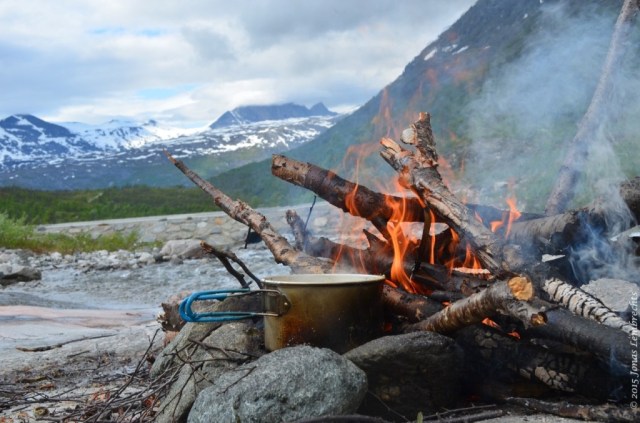
#scienceisalso a campfire to make a hot cup of soup after a long and cold day in the Norwegian mountains.

With this hashtag (in Dutch, though, #wetenschapisook), I will be posting all week on the Instagram-account from EOS, our local popular scientific journal.

3

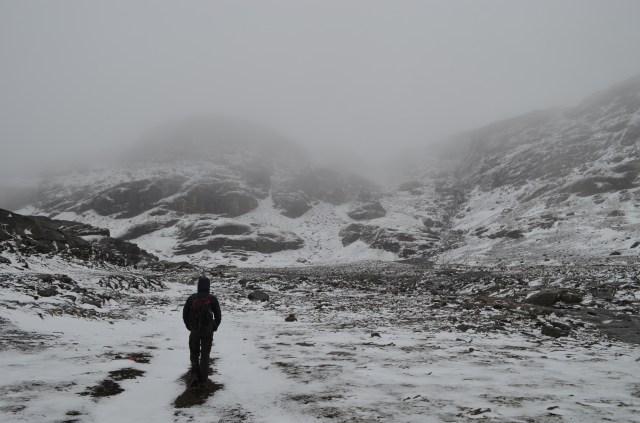
#scienceisalso being blown off the mountain by a snow storm in early autumn, and inevitably having to give up some of your plots for the year

The idea is to show all those other parts of science that come before the actual scientific results. Adventurous fieldwork, endless hours in the lab, drawbacks yet also unexpected opportunities that you’ll remember for a lifetime.

Don’t hesitate to check out the hashtag on Twitter as well, there is a lot of #wetenschapisook-activity going on!

Posted in The research | Tagged , , , , , , , , | Leave a comment

5 years later

Summer 2012. I was a young masters student, spending my first month of many above the polar circle. I joined a global consortium called MIREN, the Mountain Invasion Research Network, that surveyed plant invasions along roads in mountain regions scattered across the globe.

SONY DSC

Eriophorum vaginatum – pictures from our 2012 campaign

With 3 roads in the north of Norway, close to Narvik, we added the northernmost sample sites to this expanding network. With its short summers, freezing winters, yet surprisingly versatile plant species, the Northern Scandes promised to be very interesting.

SONY DSC

One of our Norwegian roads in early summer

The unfortunately cold Nordic summer of 2012 was spent surveying these roads, monitoring all plant species that grew in the roadside or the adjacent natural vegetation, with the aim to initiate a long-term monitoring project of the movement of the plant species.

SONY DSC

The study area in northern Norway

We are now in the year 2017, five years after this memorable first survey. Time to bring a new team together, with one ambitious goal: return to exactly the same plots that were first surveyed in the summer of 2012, and investigate in detail what happens to the species on the move. A challenge made possible thanks to the INTERACT Transnational Access program.

SONY DSC

Midnight sun above lake Torneträsk, Sweden

In a series of posts, we will first cover what came out of the first survey, followed by the fieldwork adventures we encounter on our new mission. Stay tuned, because this will be our most exciting summer of the century (or, well, at least the last 5 years of it…).

SONY DSC

This post first occurred on the INTERACT-blog, where we will share our adventures in the high north. 

Posted in Norway | Tagged , , , , , , , , | 1 Comment

More than bluebells

Hallerbos - 18

Bluebells (Hyacinthoides non-scripta)

The Hallerbos is much more than only bluebells.

Hallerbos - 4

Yes, the millions of delicate purple flowers are world-famous, and the single reason why thousands of people flock together here every day at the height of the season. Yet there is a lot more to discover below the tall beech trees, if you know where to look.

Hallerbos - 20

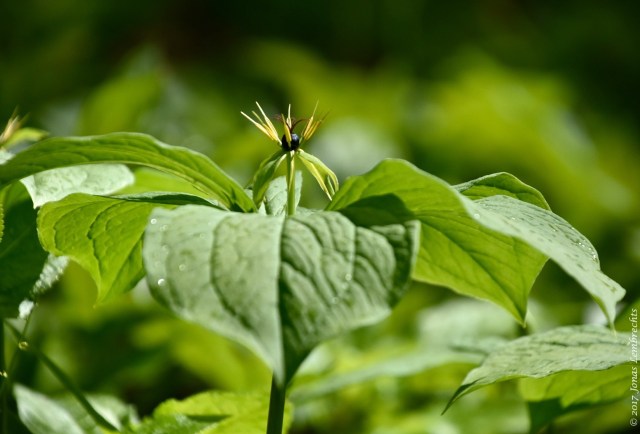
The herb-paris (Paris quadrifolia), less common in the forest, but a surprisingly beautiful find

Every year in the middle of April, we release the students from our Bachelor’s in Biology in the Hallerbos for a day. To admire the fields of bluebells, yet more importantly to give them an impression of the ecological dynamics in a Belgian forest. Concerning the latter, the Hallerbos is exemplary. With its gentle slopes and little streams, the forest hosts interesting gradients: from wet to dry, from nutrient-rich to nutrient-poor, from basic to acid.

Hallerbos - 9

A little valley, showing how the understory in the Hallerbos is restricted to spots that are not too dry or nutrient-poor

The resulting understory vegetation neatly mirrors these gradients, revealing the power of the abiotic environment in defining what grows where. Bluebells? Yes, yet only where it is not too wet and not too dry, and where enough nutrients are available and the soil is not too acid. Typical water-related species close to the streams? Yes, yet notice the differences in species composition with the spring- and seepage-areas.

Hallerbos - 21

A little stream in the Hallerbos, surrounded by endless fields of wild garlic (Allium ursinum)

Looking at a forest from this ecological point of view also teaches you to appreciate the less eye-catching plants as well. The more you learn how to read a forest, the more you will appreciate the returning certainties, and the surprising encounters.

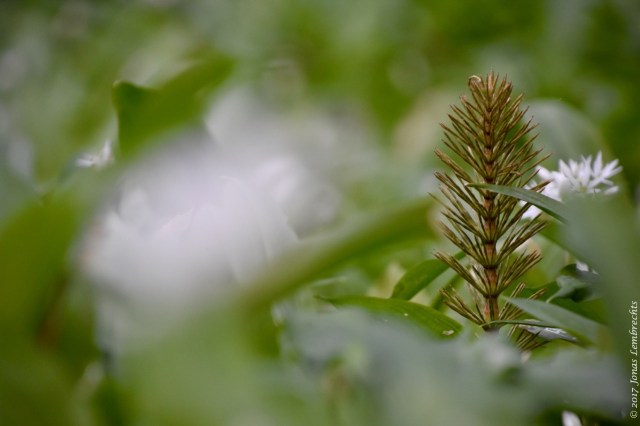
A really wet patch of forest, with giant horsetail (Equisetum telmateia) in a field of wild garlic (Allium ursinum).

The students also learn to disentangle the feedback effects of the vegetation on the abiotic conditions. How beech trees slowly acidify the soil, making it harder for understory plants (like the bluebells) to survive. How conifers do the same, yet significantly quicker, reducing the understory diversity to less than a handful of tough survivors. Or how understory species have to act fast, before leaves on the towering trees are fully grown and shade out all the light. Simple rules, but revealing how everything in ecology is connected.

Hallerbos - 14

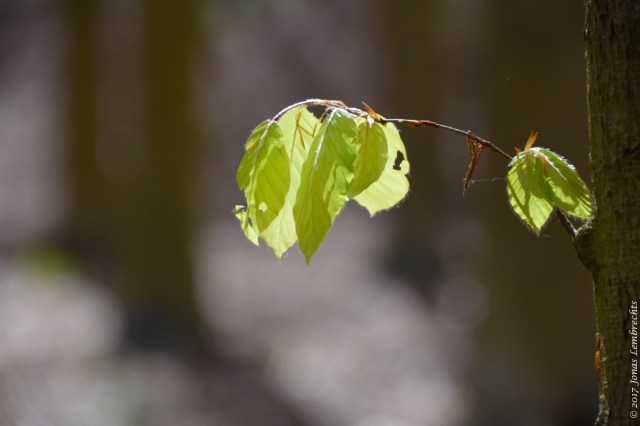
Young beech leaves. As soon as they are fully grown, spring in the understory is over

Give it a try yourself next time you are out in the forest: try to search for signs of the underlying abiotic conditions in the vegetation, and look for species that are surprisingly often occurring together. You’ll see, playing nature’s detective is a lot of fun!

Want to know more? Discover the nice picture gallery with more stories on the right of this blog.

Hallerbos - 12

A young beech seedling (Fagus sylvatica), looking nothing like a beech, yet everything like a tiny dancer…

Posted in Belgium | Tagged , , , , , , , , , , | 2 Comments