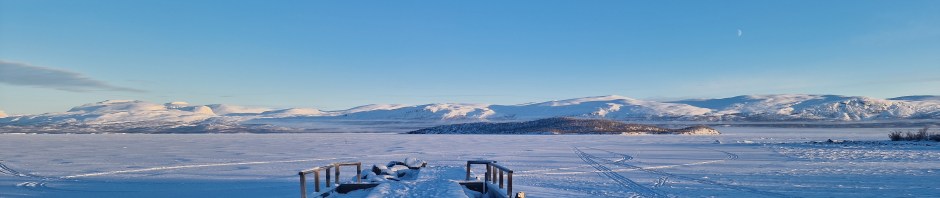
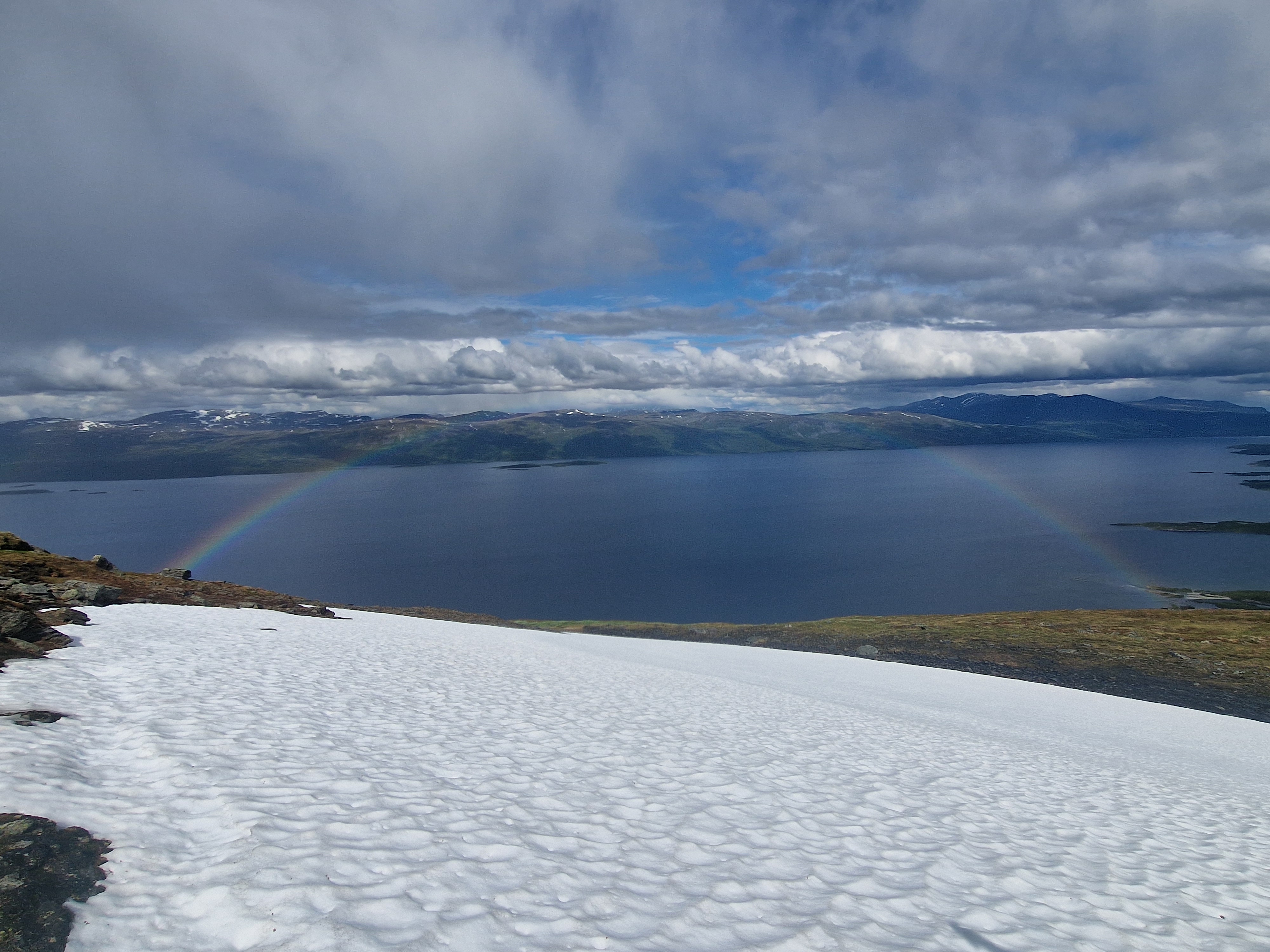
When standing on the top of a mountain in northern Scandinavia on a cold spring day, I find it easy to be impressed by the vastness and harshness of the Arctic. A wilderness that seems to fit the very definition of wilderness. But then, after a few minutes of awe, I’d turn around and see the road that brought me up to that mountain top. And those beautiful snowfields around me? The result of an almost snow-free winter, followed by a huge snowfall peak in April, substantially delaying the growing season. Even here, the wilderness is clearly changing.
It turns out there is simply nowhere remote enough to escape the tentacles of global change. Nowhere! And that matters for the plants and animals that have evolved to survive in these extreme environments.
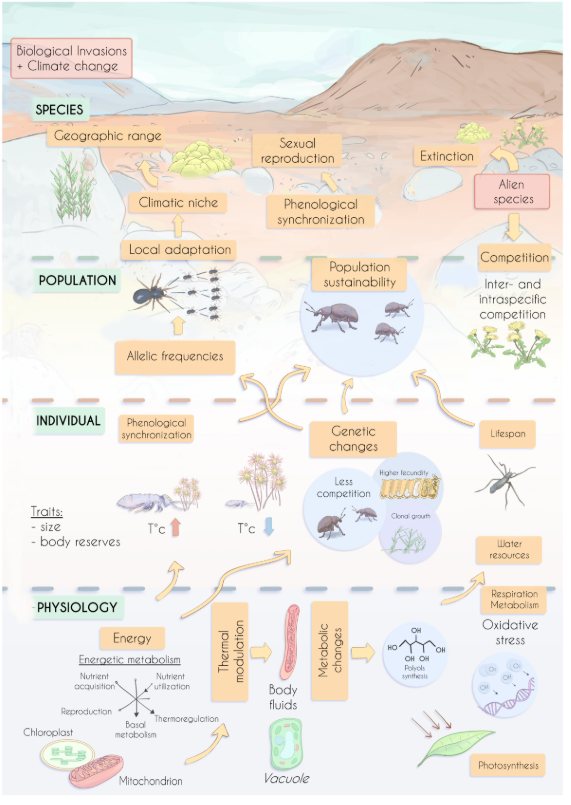
In a new review paper in Ecology, we bring together current knowledge on how global change is already affecting biodiversity in cold-climate regions, from the Arctic and Antarctic to the highest mountain ranges. We focus particularly on plants and invertebrates: often overlooked, but essential for how these ecosystems function.
The paradox of cold regions
There is a reason many cold regions still feel so pristine. Compared with many other parts of the world, they have often faced less pressure from intensive land use, pollution and the direct exploitation of natural resources. Not everywhere, of course, but this relative lack of some human pressures has helped uniquely adapted plants and animals persist.
The catch? These regions are particularly exposed to two other drivers of global change: climate change and biological invasions.
Cold regions are warming rapidly, and the species living there face changing temperatures, altered snow cover and the myriad of downstream effects of those. For organisms adapted to the cold, there are limits to how much they can tolerate, adapt or move elsewhere. And for species already living on mountain tops or isolated polar islands, there may simply be nowhere else left to go.
But climate change isn’t the whole story. Biological invasions are another threat we need to take seriously.
As human activity brings more non-native species into cold regions, the barriers that once helped keep newcomers out can weaken. The road that brought me to that mountain top is one example. Tourism and scientific expeditions to Antarctica, for example, can also provide opportunities for species to hitch a ride towards places where they were previously absent.
The worrying part is that these pressures don’t act in isolation. Warming can make it easier for new species to establish, while biological invasions can further reshape ecosystems already experiencing environmental change. Together, they can have consequences that are difficult to predict, potentially threatening the unique biodiversity that makes cold regions so special.
So what do we need to do?
Our review points to three important priorities.
- We need to keep a much closer eye on what is changing. Long-term monitoring of populations and genetic diversity is still remarkably limited for many cold-region plants and invertebrates. Without a baseline, it is difficult to recognise changes early, let alone understand what is driving them.
- We need to understand the limits of life in the cold. How much warming can a species tolerate? How do changing temperatures affect its growth, survival and reproduction? And how much variation exists between populations of the same species? Better physiological data will help us make more reliable predictions about which species are most vulnerable.
- We need to get better at predicting ecological change. Which species are most at risk, which might be able to adapt or move, and where could new species establish? Answering these questions requires combining physiological data, long-term monitoring and a better understanding of how different global-change drivers interact.
There is another lesson here that is close to our hearts at the 3D Lab: where we measure environmental change matters. A weather station can tell us a lot about the climate of a region, but not necessarily what a plant experiences beneath a stone, inside a moss cushion or under a patch of snow. These small-scale differences can make the difference between surviving and disappearing and may offer refuges for some species as conditions change.
Cold regions can feel like another world, far removed from the places where most of us live. But that feeling of remoteness can be misleading. Global change reaches even these seemingly untouched landscapes, through changing climate, human activity and the species we move around the planet.
There is no escaping it. Nowhere.
Read the paper: Renault et al. (2026), Global change threatens the biodiversity of cold regions: Current knowledge and priorities for further research, published in Ecology.


