That wonderful feeling when my R-code can help the local animal shelter with their hundreds of kittens.
Fostering kittens to health and to a safe home; getting as many as possible of the street and neutered
I have been monitoring the number of foster kittens in our local animal shelter for 4 years in a row now, keeping track of how many come in and go out. While it’s impossible to predict exactly how many and when they will come in, it’s clear that there is a strong seasonality to the kittens: by May it takes off with the first bottle-feeders, and things rapidly accumulate till mid July, when around 100 foster cuties at the same time are being nursed towards a good home.
Number of kittens fostered on each day of the year by the foster parents of the animal shelter, from 2018 to 2021
But then there was last year, 2020 (the red line in the curve above), a year we all know as quite unique, with a global pandemic keeping everyone at home. A year that was different in many aspects and, turns out, also in its foster kittens: the peak stayed out, with number of kittens in the shelter around 60 throughout the whole summer.
Our hypotheses? Either 1) the animal shelter was actually winning the fight against the feral cats, and numbers of kittens would go down further, or 2) kittens were there in 2020, but there was nobody to find them and bring them in, due to that wretched pandemic.
Cute and off the streets, that’s how we love our kittens
The important consequence of those very different hypotheses? When preparing for the summer of 2021, we needed to know how many foster parents would be needed. Basically: fewer (in case of hypothesis 1) or more (in case of 2).
We thus decided to keep very close track of the numbers, using the nice little graph above, that I could update repeatedly. In early May we already started to see the first signs: the black line was peaking upwards faster than it’s red precessor. That’s when the red flags already started to go off: we were likely heading for scenario 2) and had to bring in a lot more help: a massive flood of kittens, as all those unchecked feral cats from last year had started breeding.
Now, mid August, the second hypothesis is clearly confirmed: we are already 25% above the summer peaks from last year, and the foster families are scrambling to keep up. The global pandemic indeed left its footprint on our data for two years in a row
Luckily we came into the year hypothesis- and data-based, as now we were a lot better prepared and ready to react quickly!
If you run out of human foster parents, get the animal ones on board!
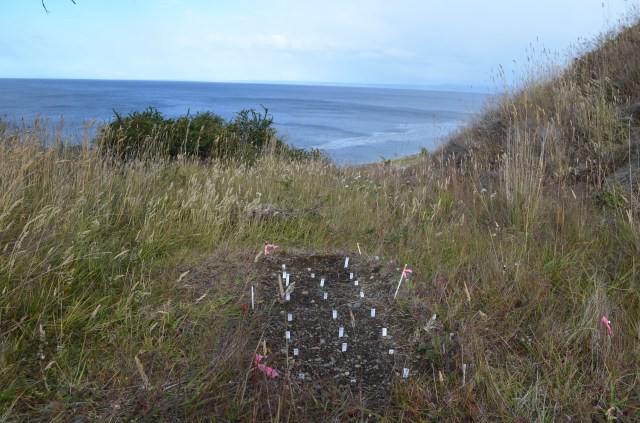
In 2016, we published the results from a much-needed experiment. We had sown seeds in two extreme environments: the north of Scandinavia, and the very south of Chile, to answer a fundamental research question in invasion ecology: what is the most important driver of plant invasions in mountains?
Results of that experiment were overwhelming: whatever the temperature – both regions have a harsh climate that should limit plant invasions – human disturbance always came out on top: if humans disturbed the vegetation, plant invasions soared. No disturbance made successful establishment of non-native species virtually impossible; and that all along the elevation gradients in both Chile and Scandinavia.
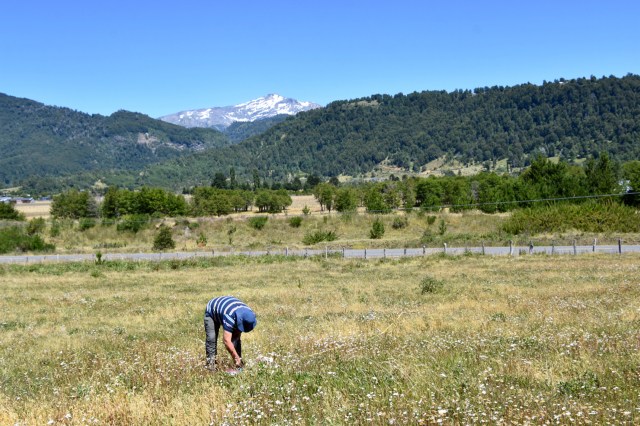
A plot of our seed-addition experiment overlooking the Street of Magellan in the very south of Chile
However convincing, those results were ‘only’ experimental. Question remained if that dominance of anthropogenic disturbance would hold up in a real setting. To settle that argument, we went to the Chilean Andes, where we monitored non-native plant richness and abundance along three mountain roads using the trusted survey design of the Mountain Invasion Research Network (MIREN, www.mountaininvasions.org). Along these roads, we assessed the relative importance of anthropogenic (human disturbance), abiotic (e.g. the climate, but also soil nutrients), and biotic (interactions with the native vegetation) factors as drivers of plant invasions.
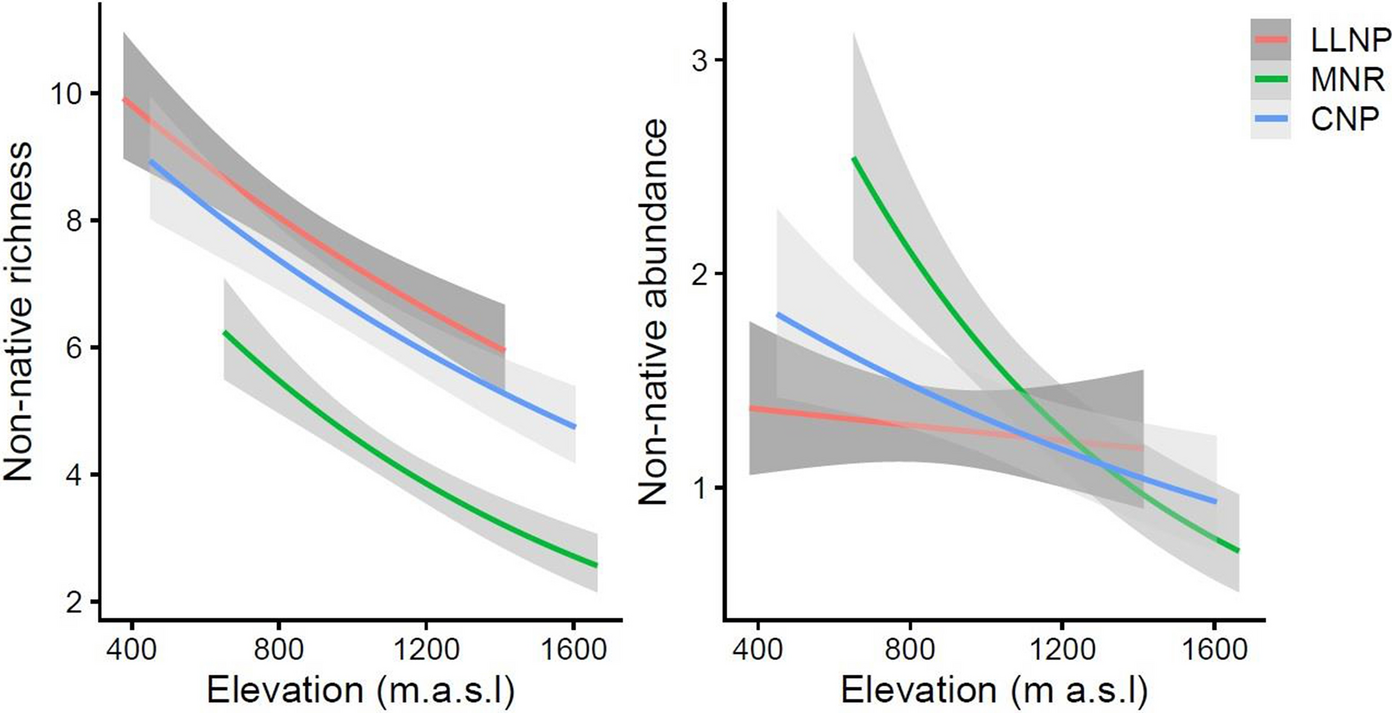
And indeed, as hypothesized based on our experiment from half a decade ago, anthropogenic drivers here again came out on top. While low elevation areas were the most invaded – suggesting perhaps that cold climate at high elevations would be limiting invasion – patterns in non-native species distributions were driven mainly by anthropogenic factors, which explained between 20 and 50% of the variation along the three roads.
Non-native richness and abundance dropped with elevation along the mountain roads. Nevertheless, anthropogenic factors and not the climate were the most important drivers of the distribution patterns.
At the regional scale, the abundance of non-native species was again explained best by anthropogenic factors (24% of the variance), yet non-native richness was driven most strongly by abiotic factors such as soil nitrogen content and pH (15% of the variance).
These results thus elegantly confirm the conclusions from our 2016 experiment that anthropogenic factors largely override abiotic factors as drivers of plant invasions in mountains, both at the local and the regional scale. Importantly, these results also imply that non-native plant invasion in mountains is currently not strongly limited by climate, suggesting that with further increases in disturbance in the Andes, increased plant invasion will most likely quickly follow.
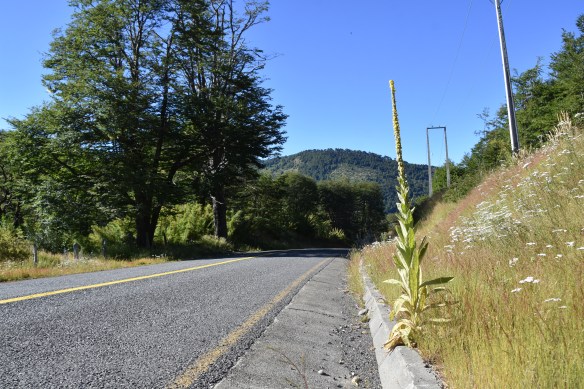
The European herb Verbascum thapsus thriving in a Chilean mountain roadside
These results should thus serve as an important warning: we urgently need better biosafety protocols and control of tourism and agricultural activities in the Chilean Andes, where human influence keeps expanding into natural areas. Only with coordinated efforts like these that keep disturbance at bay, we can limit the risks of further spreading of invasive plant species in the vulnerable Andean landscape.
In ‘The Climate Update’ gives Arne Ven, climate change advisor in the Global Change Ecology center of the University of Antwerp, us a recap of the news – good and bad – about climate change. Part 11 is about heat and exotic plants. This blog was prepared in collaboration with guest author Jonas Lembrechts (University of Antwerp) and first appeared in Dutch here.
The earth is getting warmer
When it is summer here, the news about forest fires, heat waves, temperature records … sky-rockets. In the early summer of 2021, large parts of Eastern Europe, Western America and Canada saw extreme heat. (1,2,3) These extreme events have repeatedly been linked to climate change. (4) According to one study, human-induced climate change caused one-third of heat-related deaths between 1991 and 2018. Older people and those with chronic conditions such as asthma are especially vulnerable. (5) And it’s not over: even if we meet the Paris climate goals (limiting warming to 2°C and preferably 1.5°C above pre-industrial levels), we’re going to face ‘bloody hot times’. There are scientific studies that say that, worst case, many millions of people – including some of the world’s poorest – will be routinely exposed to potentially deadly temperatures of up to 56 °C and above by the year 2100. (6,7) These extreme events will have enormous consequences, including for nature: some species will go extinct, while others will try to migrate to colder places. On top of that, new species – so called ‘exotics’ – are routinely brought in by humans. As it is getting hotter, especially those from originally much warmer regions could become of concern.
Cities are getting warmer
The increasing heat is not felt equally everywhere. In Flanders, for example, the sandy Campina region is generally warmer than the coast, while cities suffer more from heat than the countryside. Scientists have recently proven that exotic species from warm regions are more common in urban areas than in the countryside. This can be explained by the fact that, due to climate change, cities are warmer (and cool down less at night(8)) than the countryside: the heat island effect. Not only is it often several degrees hotter in cities than in the countryside, it is also often drier there, because pavement and other impermeable surfaces prevent water from seeping into the soil (9)
A recent study by the University of Antwerp and Liège showed that exotics, originating from warmer climates, also experience heat stress in warm locations in our country during extreme heat waves. This shows that the effects of the heat island effect on plants are not as straightforward as thought: although the exotics probably benefit from the warmer winter temperatures in the city, they also need shade during hot summer days to survive. (10)
Your garden is getting warmer
Temperature differences do not only occur between city and countryside, they can even be felt at street level. Sometimes “extreme weather” can be very localized and depend on the environment, for example with Meditteranean temperatures – and associated plant species – on south-facing walls. These local hotspots can have a whole cascade of effects on humans (e.g. there are many more heat deaths in urban environments than in green environments) and on nature (e.g. exotic species start to crowd out native vegetation in locations with a suitable microclimate). However, as these differences can be so local, it means that one might have a significant influence on the local impact of extreme events, and make your living space more resilient to drought and heat yourself. This was explained by Jonas Lembrechts in an online seminar of the University of Flanders: planting trees – because trees provide shade and cool by evaporating water, not mowing your grass too short, ensuring a higher diversity of plant species in your garden, removing impermeable surfaces to ensure rainwater can infiltrate the soil, … all this can help to reduce the local impact of extreme weather events (11).
Meanwhile, scientists at the University of Antwerp are working with citizens (= citizen science) to investigate how we can better deal with the effects of increasingly extreme summers. (12) How do we ensure that our gardens remain a cooling place during a heat wave? And how do we better arm our gardens, as well as our parks, fields, and natural areas, against drought? Which of the above factors (planting trees, growing grass…) work best against heat, drought or even heavy rain? All this is being investigated in the project ‘CurieuzeNeuzen in de Tuin’. For this purpose, almost 5000 citizens have placed a small weather station (affectionally called a ‘lawn dagger’) in their lawn. These instruments transmit microclimate data on soil temperature and soil moisture for the whole of Flanders to inform us about the best measures to protect our gardens against extreme events. With the extreme rain Flanders has seen this summer, such a project has become more acute than ever.
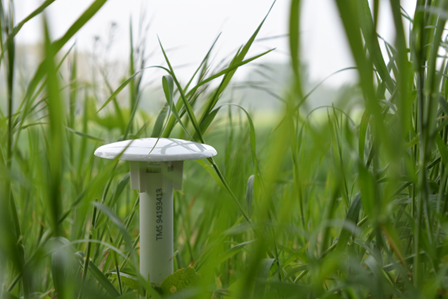
A ‘lawn dagger’ from citizen science project CurieuzeNeuzen in de Tuin.
Our citizen science project CurieuzeNeuzen in de Tuin has been picked up by RTInsight, a US-based website focussing on the power of the Internet of Things! It’s always a struggle to reach that side of the big sea with our communication, so this article comes as a happy surprise.
Their take, in short:
The research into data-driven gardening expertly demonstrated that you don’t have to be a data scientist to engage with data in a meaningful way.
Data has the potential to solve some of our most challenging problems – food security, poverty, disaster prevention, and with a recent citizen scientist project in Belgium, climate change. The University of Antwerp is exploring the effects of climate change on gardening with its project on data-driven gardening, but with a twist and a lesson that businesses should take to heart.
Data illuminates patterns that humans miss, but without human interaction, data can skew in unwanted ways. The university’s explorations combine the best of both worlds, human expertise and problem-solving, with data insights. The results have been fascinating.
With summer in full swing, fieldwork pictures from the various The3DLab-teams keep reaching me, leaving me a bit ‘home’sick for the mountains. That feeling of standing on top of a mountain and enjoying the view after a great day of gathering fascinating ecological data…
Great views from Norway, where Ronja is following up her experiment on the role of gaps into facilitating colonization in mountainsA row of disturbances of increasing sizes in the Norwegian mountains, each of them featuring their own TOMST TMS4 microclimate stationsThe team in Abisko profiting from the last day of sunny weather so far to survey plant communities on Mount Nuolja
The soil sensor, the smart sensor that measures heat and drought in 5,000 gardens, parks, nature reserves and fields, was developed by TOMST. A small Czech company, world famous among microclimate scientists and, thanks to the citizen science project CurieuzeNeuzen in de Tuin, also in Flanders, Belgium.
The CurieuzeNeuzen soil sensor is based on the existing TMS-4 sensor from TOMST (you can read all about that sensor in this scientific publication). The big – and only – difference is that the CurieuzeNeuzen “lawn dagger”, as it is affectionally called, is connected to the Internet of Things via Orange’s narrowband 4G network. With the old TMS-4 sensor, researchers retrieve the data manually with a cable.
We spoke to Tomas (founder of TOMST) and Lucie Haase about the sensor and their company. Jonas Lembrechts, microclimate expert, TMS-fan and scientifically responsible for CurieuzeNeuzen, joined us at the table.
How did TOMST come about?
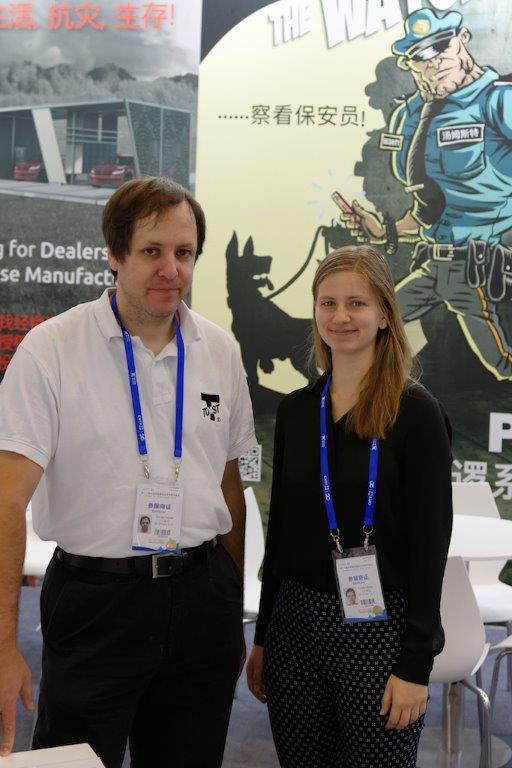
Tomas: TOMST started about 26 years ago, after I left PC Magazine and focused on iButtons. iButtons are small sensors used in badges to open doors. Our first product, the PES, was a small sensor that monitored security guards to see if they were doing their job properly. These sensors had to be extremely robust, since at that time there was a lot of abuse: security guards would destroy the sensor so that their employer would not realise that they were just sitting on their backs.
Precisely because these sensors are so indestructible, my wife’s colleagues, who work for the Czech Academy of Science, became interested in the devices. They were looking for a sensor to measure temperature in natural areas. That’s where the idea came from, together with colleagues from the Department of GIS and Remote Sensing from the Czech Botanical Institute, for the TMS: an indestructible sensor that could withstand extreme temperature fluctuations, with thermometers at three points.
So the reason TOMST ended up in climate science was rather accidental?
TOMST: Indeed, it was more of a side project for us. At the time, 2008, we had a big project going in the UK with a big supermarket chain. That project was very profitable but also very stressful. The soil sensor was more of a hobby. At the time, we only asked our university colleagues to reimburse us for the cost of parts.
Was there also commercial interest in your climate sensors from the outset, or was it mainly from non-profits and universities?
TOMST: Most of our customers are universities and scientists. For scientists, a sensor that always measures in the same way is ideal. That way, scientists can always replicate their experiments. Also, it is usually less of a problem for scientists if they have to wait a few months before they can retrieve their data.
Commercial organisations often see things differently. In Dubai, for example, they would be very interested in sensors that would tell them remotely that the soil is dry and the newly planted palm trees need water. Our current sensors can’t do that yet.
The TMS-NB, the IoT-connected version of the TMS4 gets installed in a Flemish lawn
So before CurieuzeNeuzen contacted you, you were already playing with the idea of making the soil sensor wireless?
TOMST: That’s right! We investigated the possibilities, but ran into a major problem. Our TMS sensors can last for years on one battery and we absolutely want to keep this strong point. This is not possible with, for example, Bluetooth, because it wouldn’t work at as much of a distance as necessary here.
Wireless micro-climate sensors only recently became possible with the development of the narrowband 4G network?
TOMST: Narrowband was indeed one of the first solutions to connect our sensors wirelessly. The advantage of 4G is that it is an existing network, so there are already transmitters everywhere and you never have to send data too far. The infrastructure is there; you don’t have to build a new network.
Narrowband 4G uses very little energy and yet can process more data than, for example, SIG Fox, which we were also thinking about earlier (SIG Fox is another network technology for IoT, ed.). With narrowband, we can guarantee that one soil sensor can send data every day for eight years on one battery charge.
You are a relatively small company, what was the first reaction when CurieuzeNeuzen contacted you with the request to develop and produce 5,000 4G sensors?
TOMST: It was a very intense period. Connecting TMS to the Internet of Things would have happened anyway, only CurieuzeNeuzen accelerated the process enormously. At the beginning we were quite stunned by the request, producing 5,000 ordinary TMS-4 sensors is quite a challenge in itself, let alone developing a whole new 4G model.
Because the corona crisis had us worried about the future of our business, we took up the challenge anyway. The chips of our sensors are entirely made in the Czech Republic. Our partner can only produce a certain number per week. So we knew that it was going to be a very tight deadline to get everything done in time. Despite COVID, it was a very busy year!
What was Orange’s role in the development of the 4G radar band?
TOMST: Orange provides the network to which the sensors are connected in Flanders. Their role was therefore essential. Corona provided an additional difficulty in developing a soil sensor connected to narrowband 4G. We were not allowed to leave the country, so we could not go and test it ourselves in Belgium. We hope that when the vaccination campaign gets underway, we will soon be able to come to Belgium for further testing.
Jonas, you are scientifically responsible for CurieuzeNeuzen, what do you think the development of the TOMST soil sensors means for microclimate science?
Jonas Lembrechts: The development of the TMS-4 by TOMST and the colleagues from the Czech Institute of Botany has meant a lot for the maturing of microclimate science as a scientific discipline. Before this, every researcher used a different sensor. Since TOMST introduced the TMS-4 to the scientific community, it is much easier to compare each other’s measurements. The low price also allows us to work on a larger scale much more quickly.
A global microclimate network, parallel to existing weather station networks, is coming ever closer thanks to the TMS-4. Real-time data will accelerate this even further, because it will also interest commercial players. The Czech Republic is a global model for microclimate science. The Czech Republic was I think the first to have such a network covering the entire country. It would be fantastic to be able to apply this approach elsewhere across the globe.
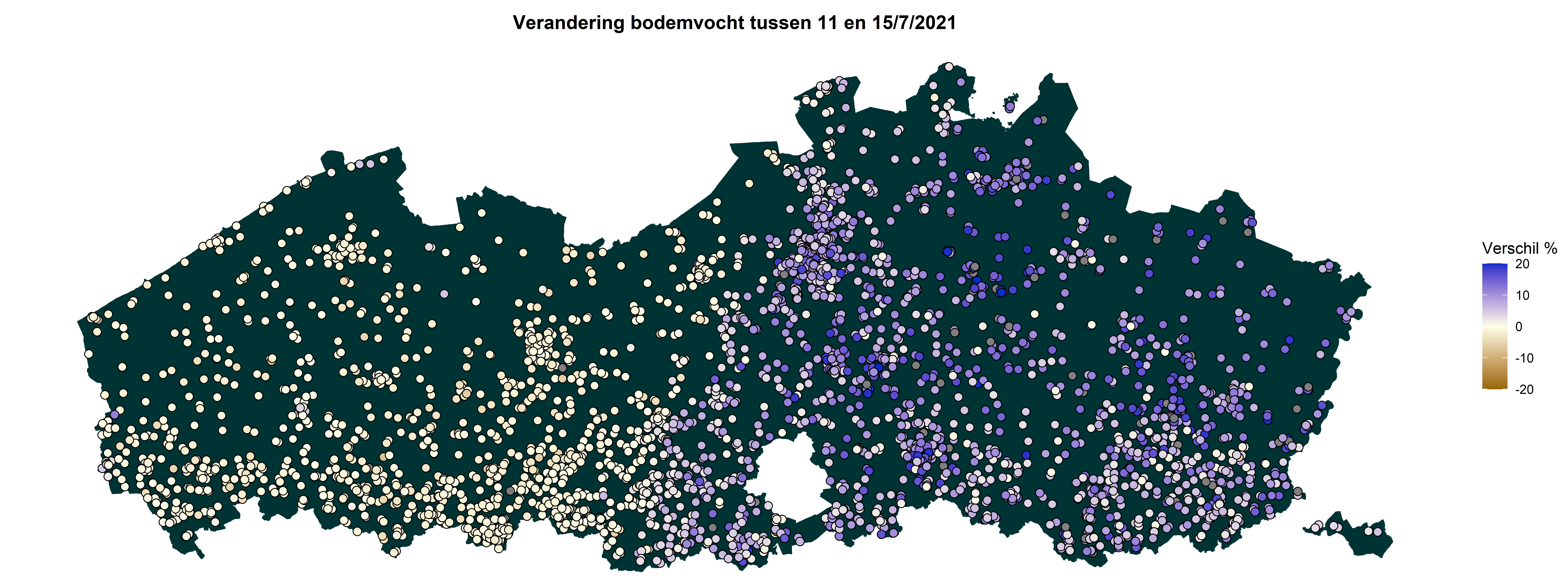
The TMS-NB provided us with quasi-real time data on the effect of the stationary storm of July 14th and 15th on soil moisture in Flemish gardens. Shown here: the absolute increase in soil moisture percentage added up to around 20% in the eastern part of the country, where the ‘water bomb’ hit hardest.
Partly due to our partnership with De Standaard, CurieuzeNeuzen gets a lot of press attention in Belgium. Was this also picked up in the Czech Republic and did you also get recognition in your own country?
TOMST: Not at all actually, or we didn’t notice it because we were so busy (laughs). Because we mainly supply to universities and scientists, we don’t really need it. Scientists publish papers about their research with our sensors, so we have a certain notoriety within the scientific community. We can only be grateful for that.
We are often asked if the ‘4G lawn dagger’ will become commercially available.
Jonas Lembrechts: After completion of the research, we are going to work with iFlux (a spin-off of the University of Antwerp and VITO, ed.) to see how we can commercially deploy the soil sensors that remain. In the first instance, we are aiming at farmers, horticulturists and city councils.
TOMST: We plan to bring the 4G sensor to the market, but the biggest problem is the network. At the moment, there is no roaming specifically for narrowband, i.e. we have to find a different provider for each market in Europe or elsewhere in the world and install different SIM cards in the sensors. We are still investigating how we can tackle this problem. We are currently thinking about virtual operators. The 5G network is gradually being rolled out, which also creates new opportunities for us.
Due to a global chip shortage, we currently have to wait a long time for the IoT modems of our sensors. Ideally, we will bring a narrowband sensor to market in the spring of 2022.
Lake Törnetrask, Abisko Research Station, Abisko, Sweden
Common heather
Oenanthe oenanthe
Narvik, Norway
Lake Torneträsk
Phyllodoce caerulea
Lake Torneträsk, Abisko, Sweden
Seen from Nuolja, Abisko
Lake Torneträsk, Abisko, Sweden
Trifolium repens
Skjomen valley, northern Norway
Angelica archangelica
Diapensia lapponica in one of our plots
Skjomen valley, northern Norway
Angelica archangelica along mountain road in the northern Scandes, Norway
Lake Törnetrask, Abisko Research Station, Abisko, Sweden
Epilobium angustifolium
Eriophorum vaginatum
Oenanthe oenanthe, alpine tundra Abisko, Sweden
Norway, Narvik
Summer in the Skjomen valley, northern Norway
Narvik, Norway
Laktatjakka valley
Abisko, Sweden
Lake Torneträsk, Abisko, Sweden
Hair’s tail cotton grass
in the Skjomen valley
Luscinia svecica, Abisko, Sweden
Narvik, Norway
Norway
Luscinia svecica
Narvik, Norway
Saxifraga aizoides, Narvik, Norway
Skjomen valley, northern Norway
Narvik, Norway
Hallerbos 2017
Young bluebell (Hyacinthoides non-scripta) surrounded by flowers of yellow archangel (Lamium galeobdolon)
The common bluebell (Hyacinthoides non-scripta), the signature flower of the Hallerbos
Single bluebell flower surviving on a wetter spot, as indicated by the field of wild garlic (Allium ursinum)
A really wet patch of forest, with giant horsetail (Equisetum telmateia) in a field of wild garlic (Allium ursinum)
Wild garlic (Allium ursinum) in the Hallerbos flowers a bit later than the bluebells, yet this one was already in full bloom
A bumblebee visiting yellow archangel (Lamium galeobdolon)
A bumblebee visiting yellow archangel (Lamium galeobdolon)
Wild garlic (Allium ursinum)
Wild garlic (Allium ursinum)
Weirdly beautiful, the inflorescence of pendulous sedge (Carex pendula), typical for the wettest spots in the forest
Weirdly beautiful, the inflorescence of pendulous sedge (Carex pendula), typical for the wettest spots in the forest
A little stream in the Hallerbos, surrounded by endless fields of wild garlic (Allium ursinum)
The herb-paris (Paris quadrifolia), less common in the forest
Wild garlic (Allium ursinum)
Bluebells (Hyacinthoides non-scripta)
Weirdly beautiful, the inflorescence of pendulous sedge (Carex pendula), typical for the wettest spots in the forest
Another one from the wet plots: large bitter-cress (Cardamine amara)
Another one from the wet plots: large bitter-cress (Cardamine amara)
Young beech leaves, as soon as they are fully grown, spring in the understory is over
A beech forest without understory, most likely too dry and too acid for any survivors
A young beech seedling (Fagus sylvatica), looking nothing like a beech, yet everything like a tiny dancer
Young beech seedling (Fagus sylvatica)
Bluebells (Hyacinthoides non-scripta)
Bluebells (Hyacinthoides non-scripta)
Bluebells (Hyacinthoides non-scripta)
Mountain melick (Melica nutans), a grass in the most amazing green
Bluebells (Hyacinthoides non-scripta) in a rare patch of mountain melick (Melica nutans), a grass in the most amazing green
Bluebells (Hyacinthoides non-scripta)
Bluebells (Hyacinthoides non-scripta)
Montpellier 2017
The entrance to the cathedral of Montpellier
The cathedral of Montpellier
The entrance to the cathedral of Montpellier
The cathedral of Montpellier
Narcissus poetics
The cathedral of Montpellier
The botanical garden of Montpellier
The botanical garden of Montpellier
The botanical garden of Montpellier
Brackish Camargue vegetation
Brackish Camargue vegetation
Brackish Camargue vegetation
A typical lagune
Brackish Camargue vegetation
Camargue horses
Camargue horses
Camargue horses
Brackish Camargue vegetation
Brackish Camargue vegetation
Brackish Camargue vegetation
Camargue horses
Brackish Camargue vegetation
Little egret in the evening sun
Flamingo’s in the evening sun
A typical lagune
Dandelion fuzz
Grass lily
Grass lily
Dandelion fuzz
Veronica in a sea of poplar fluff
Euphorbia in a sea of poplar fluff
Poplar
Gare du Midi, Brussels
Gare du Midi, Brussels
Gare du Midi, Brussels
Gare du Midi, Brussels
Sweden autumn 2016
Autumn in Abisko
Yellow leaves of mountain birch, with lake Torneträsk in the background.
Lapporten, the gate to Lapland, in Abisko
Rain blowing over the Abisko National Park
The colours of the north: red fireweed and yellow mountain birches, with lake Torneträsk on the background
Yellow leaves of mountain birch, with lake Torneträsk in the background.
Rain on the background, the ski lift in Abisko on the foreground
The steep slope of mount Nuolja on a dramatic looking morning
The beautiful colors of lake Torneträsk in Abisko
A little stream on top of the mountain, with a view on Lapporten, the gate to Lapland
Well, that is a beautiful table with a nice view on lake Torneträsk in Abisko
Our little experiment on top of the mountain in Abisko, with a view on Lapporten
Autumn in Abisko is extremely colorfull
The ski lift with a view on Abisko National Park and Lapporten
Hiking dowhill towards lake Torneträsk
This green is greener than the greenest green: moss on top of mount Nuolja
Well, that is a beautiful table with a nice view on lake Torneträsk in Abisko
The ski lift with a view on Abisko National Park and Lapporten
The ski lift with a view on Abisko National Park and Lapporten
The most beautiful hiking trail of the world: Nuolja in Abisko
Angelica archangelica, often the biggest plant of the Arctic
The most beautiful hiking trail of the world: Nuolja in Abisko
Cirsium helenioides, the melancholy thistle
Hiking down mount Nuolja
The steep slope of mount Nuolja on a dramatic looking morning
The colours of the north: red fireweed and yellow mountain birches, with lake Torneträsk on the background
The prettiest yellow and blue: autumn in Abisko
Fireweed, Epilobium angustifolium
Campanula or bellflower, I think ‘uniflora’
Vaccinium myrtillus
Cornus suecica, the prettiest red of the world
Hieracium alpinum, alpine hawkweed
Carex atrata, one of my favourite sedges
Alpine clubmoss, Diphasiastrum alpinum
Agrostis capillaris, bentgrass
Common yarrow (Achillea millefolium)
Anthoxanthum odoratum, sweet vernal grass, fully grown and mature
Snow scooter trail
Our plot in the mids of a field of horsetails (Equisetum pratense)
Equisetum pratense
Cliff overlooking the valley with the road to Norway
Seedling of Taraxacum officinale, the dandelion, after two years of growing in bad conditions
Poa alpina, the alpine meadow-grass, with its viviparous seeds
Massive flowerhead of Angelica archangelica
Angelica archangelica
Blueberry (Vaccinium myrtillus) in autumn
A lowland marsh in Abisko in autumn
Installing the plots of our trail observations on top of mount Nuolja
Installing the plots of our trail observations on top of mount Nuolja
Tanacetum vulgare (Tansy), non-native for the high north
Autumn forest down in the valley
The valley of Nuolja to Björkliden
Summer on the Nuolja-side
A full rainbow behind mount Nuolja in Abisko
It’s raining in the west, clouds trapped behind the mountains
A strong wind blowing rain from behind the mountains to our side
A strong wind blowing rain from behind the mountains to our side
Betula nana, the dwarf birch, mini autumn forest
Betula nana, the dwarf birch, mini autumn forest
The valley of Björkliden in autumn
The valley of Björkliden in autumn
The valley of Björkliden in autumn
The valley of Björkliden in autumn
Sweden spring 2016
Overlooking the valley of Laktajakka
Ranunculus glacialis
Eriophorum vaginatum
Trifolium repens
Silene suecica
Rubus arcticus
Ranunculus glacialis
The valley of the lakes
Salix reticulata
Western European species like the red clover (Trifolium pratense) here are often listed as non-native species in mountain regions.
Although the alpine zone has been harder for invasives to access than most places, human structures like trails are often an easy gateway for the invaders to get up there. Picture from Abisko, Swedish Lapland.
Oxyria digyna
Silene acaulis
Bartsia alpina
A rainy hike
Trifolium pratense
Cornus suecica
Melting snowpatch on a lake
Dryas octopetala
Amiens
Frozen mirror
Almost cold enough for ice-skating
Cathedral at night
Enjoying silence and the morning sun
Sunny but cold, the Quai Bélu
Colourful mirror
Winter sun on the Place du Don
House on the square before the cathedral
The museum behind the beautiful gates
Cathedral at night
Cathedral with a glimpse of spring
Frozen to the bone
View from my office window
Le Club d’Aviron in winter weather
The southern side
Cathedral at night
Sunny but cold, the Quai Bélu
Cold!
Cathedral at night
Nice architectural curve
View from my office window
Just outside of Amiens
Maria without a shirt
Cathedral seen from the frozen Parc Saint-Pierre
Sun rising above the water
Gargoyle planning to eat the cathedral
Amiens is filled with cute little houses
Sweden autumn 2015
Lichen
Sweden summer 2015
View on the 1000 meter plots
Doing research on a cold Arctic morning
Plots flooded by the snowmelt
Flooded by the snowmelt
Meltwater river, racing down the mountain
After a hike, even the most basic house looks cosy. Little hut in the mountains, open for everybody
Snowbridge, maybe don’t cross…
Snowbridge
View from a cliff
Silene acaulis or cushion pink, cutest plant of the Arctic
Two seasons in one image
Steep slope
Hiking down
Narvik Kirche, church of the subarctic
Narvik Kirche
Reindeer on top of the mountain
Narvik Kirche
Summer at the church
Summer flowers
Massive waterfall
Young willow catkins
View from Narvik’s hospital, with lilac flowers
Building a bridge over the fjord will gain al drivers at least an hour
Norwegian fjord
Posing with the water, getting soaked
Minimalistic mountains
Insect investigating our reindeer antler
Catching mosquitoes with our license plate, harvest of the year!
Posing with the plot
Fieldwork on the most beautiful spot of the world
Fieldwork on the most beautiful spot of the world
Summer bridge – still next to the sadly impassable river
Rhinanthus flower in the mountains
Plateau in the valley, beautiful brown
Experimental view from my favourite plot
Salix catkins
Extremely old Betula tree
Waterfall from a cliff
Buttercup is the earliest in spring, here
Rocks!
Alpine views
Views!
Fieldwork
Jumping over rivers
Plot
Golden plover
Angry lemming
Green, the whole north is green!
Snow, so much snow left!
Minimalistic mountain moments
Fieldwork
The research center
Red clover – focal invader
Look at this tiny cute snail!
Massive floods of melting water
Bartsia alpina
Hooray, a toilet!
Dryas octopetala
Lowest elevation plots
Butterball!
That’s a lot of water
Midnight sun is the best
At the lakeside
Beautiful Bistorta vivipara
Don’t fall in the water
Midnight sun
Wild river
Art – made by ages of wild rivers
Baby firework for America’s independence day
Midnight sun at the lake
The Abisko canyon was wilder than ever
That’s a crazy amount of water!
The Abisko canyon was wilder than ever
The Abisko canyon was wilder than ever
Black and white
Stone-man overlooking Abisko
Nothing as soft as a willow catkin
Label and soil temperature sensor attached
I’d drive to the top every day
Reflections
Rocks and clouds
Brave little birch
Brewing our camping poison
Basic camping stuff
Camping in Norway
Home-made temperature houses
Roadside research at its best
Norway is crazy
Horsetail is so funny
Little creek in magical forest
Birches, birches everywhere
Beautiful rock, a gift from the river
Another roadside fellow
Lichen
Ready to rock the summer
Collecting mosses
That’s a crazy old lichen
Tiny tiny piny trees, but old, so old!
Ready to jump into the fjord?
Ready to jump into the fjord?
That’s a spiky stone!
Views on Norwegian fjords
Silene in the mountains
Cute little orchid
Skua
Attacking skua, mind your heads!
Watch out for the attack of the fierce skua!
Black snail
New plot!
Still a lot of snow to melt, but this spot was free for a new plot
Reindeer are better than people
Two seasons in one picture
Let’s see what is happening to the balance in mountains! Is this a starting avalanche, or will it last a bit longer?
Cute little hut
Climbing mountains by car
Softest moss in history
Drosera in the marsh
Hiking in no-man’s land
The clouds are coming
Abisko valley
‘Butterball’
Fieldwork in the tundra
Abisko valley
Little plot
Clouds and sun and mountains
Making soup on a campfire with a view
Little creek on high elevations
Skua on the look-out
Melting snow in a river
Rhodiola rosea and the Törnetrask lake
Beginning of spring
Flooded plots, melting snow, impassible wetness
Ferns and horsetails
Chile 2015
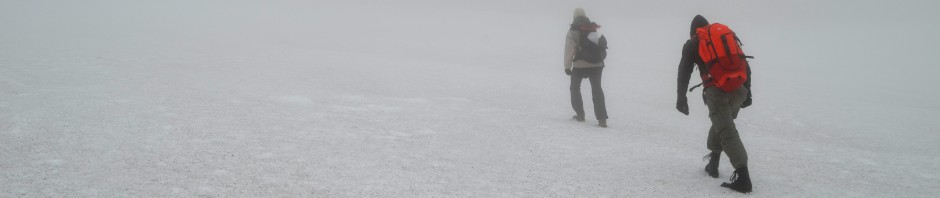
Trips to the field sites were sometimes a real adventure, especially right after snowmelt
Lunch made by our local colleague, with funny bread (tasty as well!)











 The 3D lab