A drastic shift in mycorrhizal communities

One of the key findings of the Mountain Invasion Research Network (MIREN) is that mountain roads have a MASSIVE impact on their surrounding vegetation. Whole communities are changing, non-native species are moving in, and all kinds of species are moving hundreds of meters up and down along them.

Now (in this paper), we add a new and intriguing component to that story: belowground communities are changing fundamentally as well, and these changes are surprisingly consistent across the globe. In a first attempt to include the dynamics of belowground communities into our global MIREN storyline, we looked at the dominant mycorrhizal associations of plant communities along mountain roads.

We estimated the percentage of plant species in each of our MIREN plots from mountain regions across the globe that was associated with a certain mycorrhizal type, and analyzed trends in the dominance of each of these types along climatic gradients, contrasting disturbed roadsides with (semi-)natural interior vegetation.
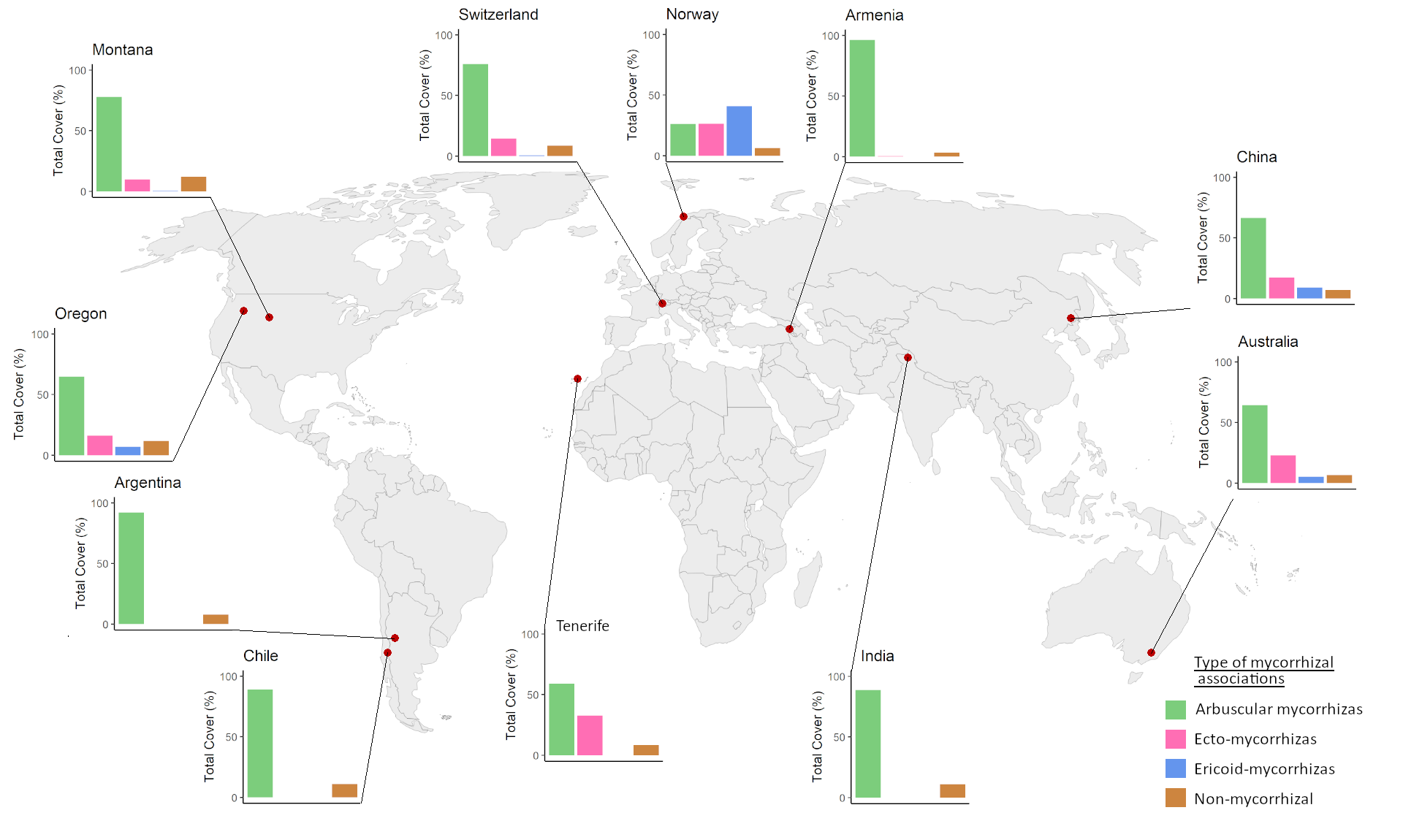
Studied mountain regions and their mycorrhizal associations

Conclusions were surprisingly clear: while changes in vegetation are often relatively murky and contradictory between regions, trends in the dominant mycorrhizal type were relatively straightforward: roadsides overwhelmingly facilitate the establishment of communities associated with arbuscular mycorrhizal fungi (AMF), to the detriment of ericoid and ectomycorrhizal species. Even more, that beneficial effect on arbuscular mycorrhizae was especially strong in regions traditionally dominated by ecto- and ericoid mycorrhizal communities – often those with colder climates, such as our own northern Scandinavian research site.
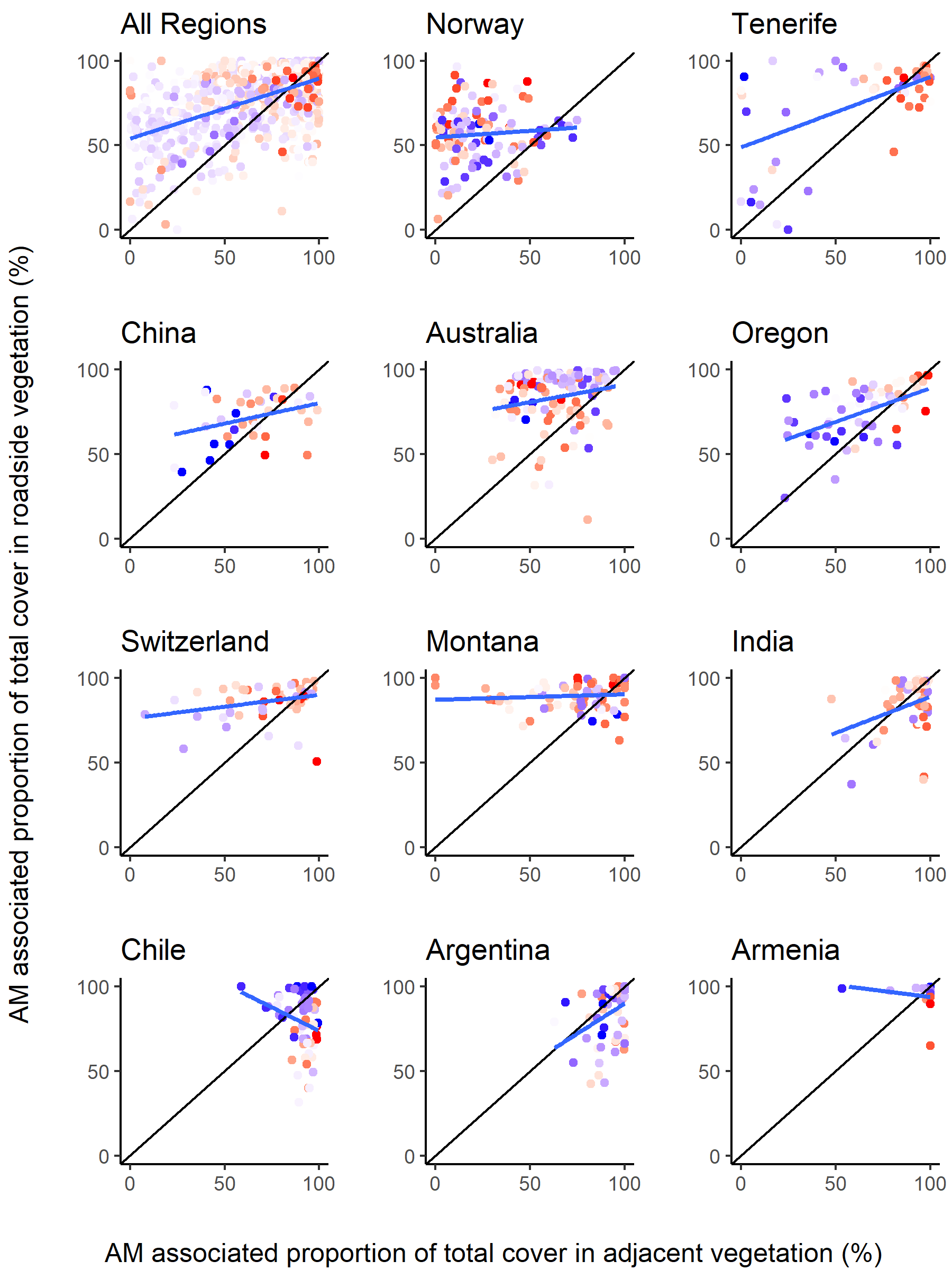
A complex figure, perhaps, but the key story of the paper: the lower the proportion of AM associated plants in the adjacent vegetation (x-axis), the stronger the increase in AM-associated plants in the roadside (blue line above the 1/1-line). This pattern was especially strong in Norway, a region traditionally relatively poor in AM-associated species.

This ‘power to the AMF’ we see along mountain roads is very much in line with the known traits and preferences of these fungi and their associated plants. Indeed, roads tend to favour ruderal species, commonly AM or non-mycorrhizal (NM) plants, to the detriment of more perennial and woody plants, more likely to be associated with EcM and ErM fungi. We thus expected road disturbance to correlate with increased AM and NM representation and decreased EcM and ErM, yet were pleasantly surprised with the generality of that pattern.

MIREN surveys cover an impressively wide variety of mountain roads, yet observed patterns were surprisingly consistent among them. a) High elevation gravel roads in the Argentinian Andes b) Lowland gravel service road in the Norwegian Scandes c) High elevation asphalt road in Yellowstone, USA d) Lowland asphalt road in Chile with strongly invaded roadside vegetation e) High elevation gravel road in Tenerife f) Lowland snowed-in gravel road in the Norwegian Scandes.

A possible hypothesis behind our – for now unfortunately only observational – correlation would be that roadside disturbance leads to increased soil nutrient mineralization and/or reduced soil acidity, which AM-fungi are more apt at taking advantage of. Indeed, it is no coincidence that most ruderal plant species are associated with AM-fungi, with their relatively rapid colonization strategies, generalist nature, lower level of specialization for specific soil conditions, and preference for dynamic, disturbed habitats. The fact that these ruderal AM plant species are generally faster growing and more disturbance tolerant due to their ability to take advantage of vegetation gaps, thus could begin to explain the patterns we observed: increased nutrient availability, less extreme pH, more dynamic conditions, and reduced competition in roadsides all act in favor of AM plant species.

These intriguing patterns raised an obvious next question to us at the Mountain Invasion Research Network: what would the impact be on non-native species? Surprisingly perhaps, virtually all non-native species in all our studied mountain regions are AM- (or some NM-)associated. This does make sense, however, if one thinks about how strongly they are associated with roadsides; which we now showed to be the ultimate heaven for AM-associated plant species. Yet we went one step further: we also showed that these AM-associated non-native species can now also much more easily escape from the roadside into the adjacent vegetation if the latter is more AM-dominated. Another reason why invasion levels in our ericoid and ectomycorrhizal vegetation in northern Scandinavia are virtually zero?
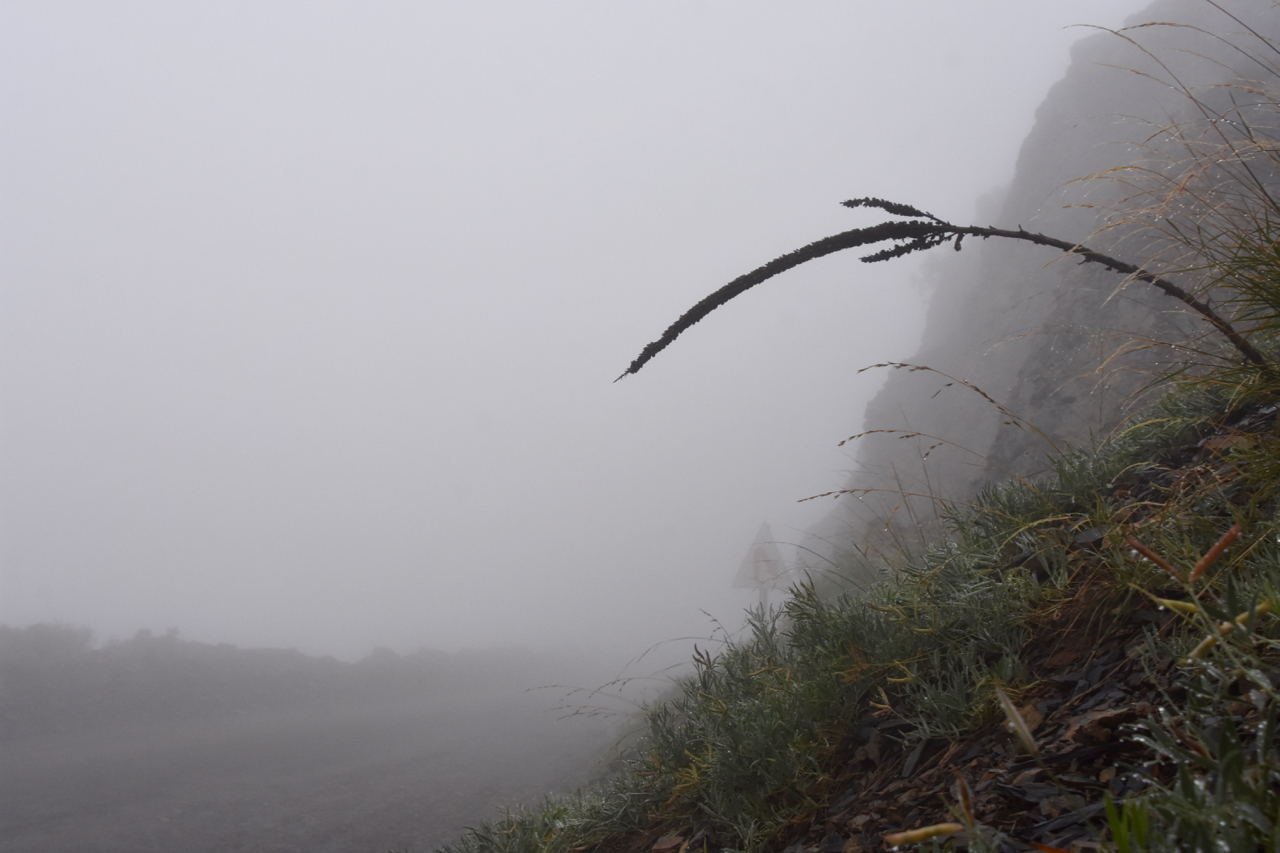
Misty mountain road in the Argentinian Andes

Our results represent an important first global study of the role of anthropogenic disturbances in shaping mountain plant communities through the mycorrhizal fungi they associate with. While these findings might sound theoretical, they have important implications for vegetation restoration worldwide, as they suggest that roadside disturbance can change the fundamental make-up of EcM- and ErM-dominated plant communities, potentially shifting communities between alternative stable states of mycorrhizal dominance that could be very difficult to reverse.

The paper can be found here!
Posted in Science | Tagged , , , , , | Leave a comment

Microclimate, an important part of ecology and biogeography

From the first days of SoilTemp, we had the ambition to turn this project into more than ‘just a database’. SoilTemp could become the much-needed glue to stick together microclimate ecologists and biogeographers from across the globe, and give them an opportunity to learn from each other and jointly move the field forward.

It was time for such a community, we believed, as microclimate research was rapidly evolving into a booming scientific discipline and, after several decades of crucial fundamental work, the field was finally truly turning global.

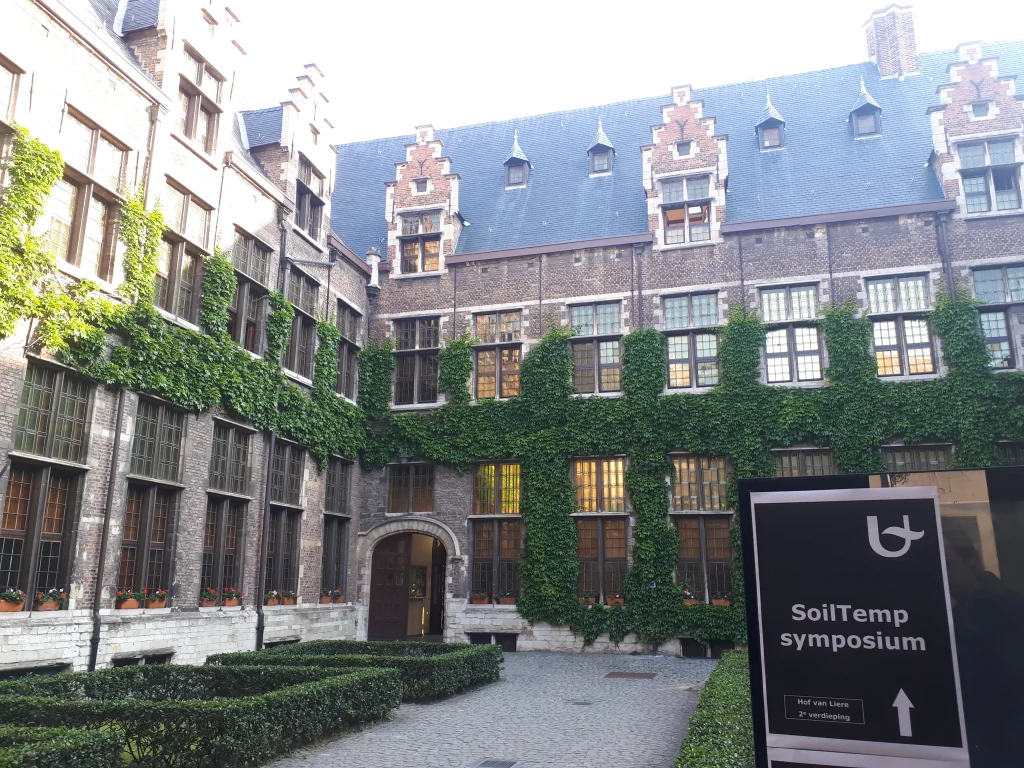
This vision for a collaborative future saw its first, and perhaps most important, pinnacle in 2022, when we managed to bring together more than a hundred microclimate enthusiasts at the first Microclimate Ecology & Biogeography (ME&B) conference in Antwerp. For a week, the spacious rooms of our beautifully old conference facility was buzzing with microclimate research from all across the globe.

The conference facility at the University of Antwerp in Belgium

So inspiring was the atmosphere, that we decided to write down what we learned at that conference and inform the world about the major strides forward that our field has taken and, importantly, where we believe the field is and should be heading next.

Thanks to a gigantic effort by 97 conference participants, the output of that story now got published: a perspective piece called ‘Microclimate, an important part of ecology and biogeography’. The main message of that paper got nicely summarized by lead author Julia Kemppinen on X.

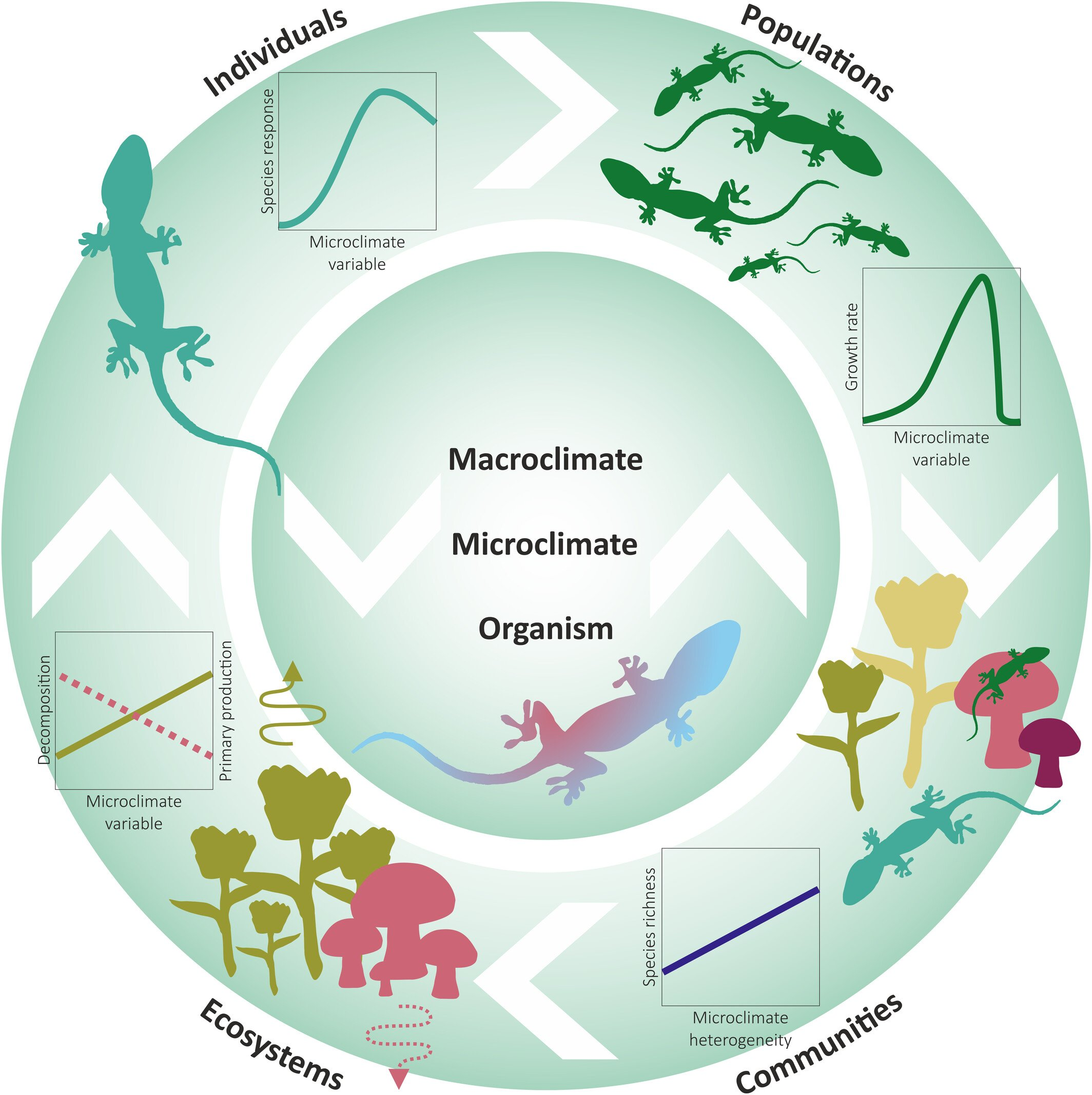
In the article, we summarize the current status of microclimate ecology and biogeography as its own scientific discipline. First, we highlight the latest research on interactions between microclimates and organisms, including how microclimates influence individuals, and through them populations, communities, and entire ecosystems. We show how this is increasingly being studied from the tropics to the poles.

We discuss the importance of microclimates in ecosystem management under climate change. We showcase new research in microclimate management with examples from biodiversity conservation, forestry, and urban ecology.

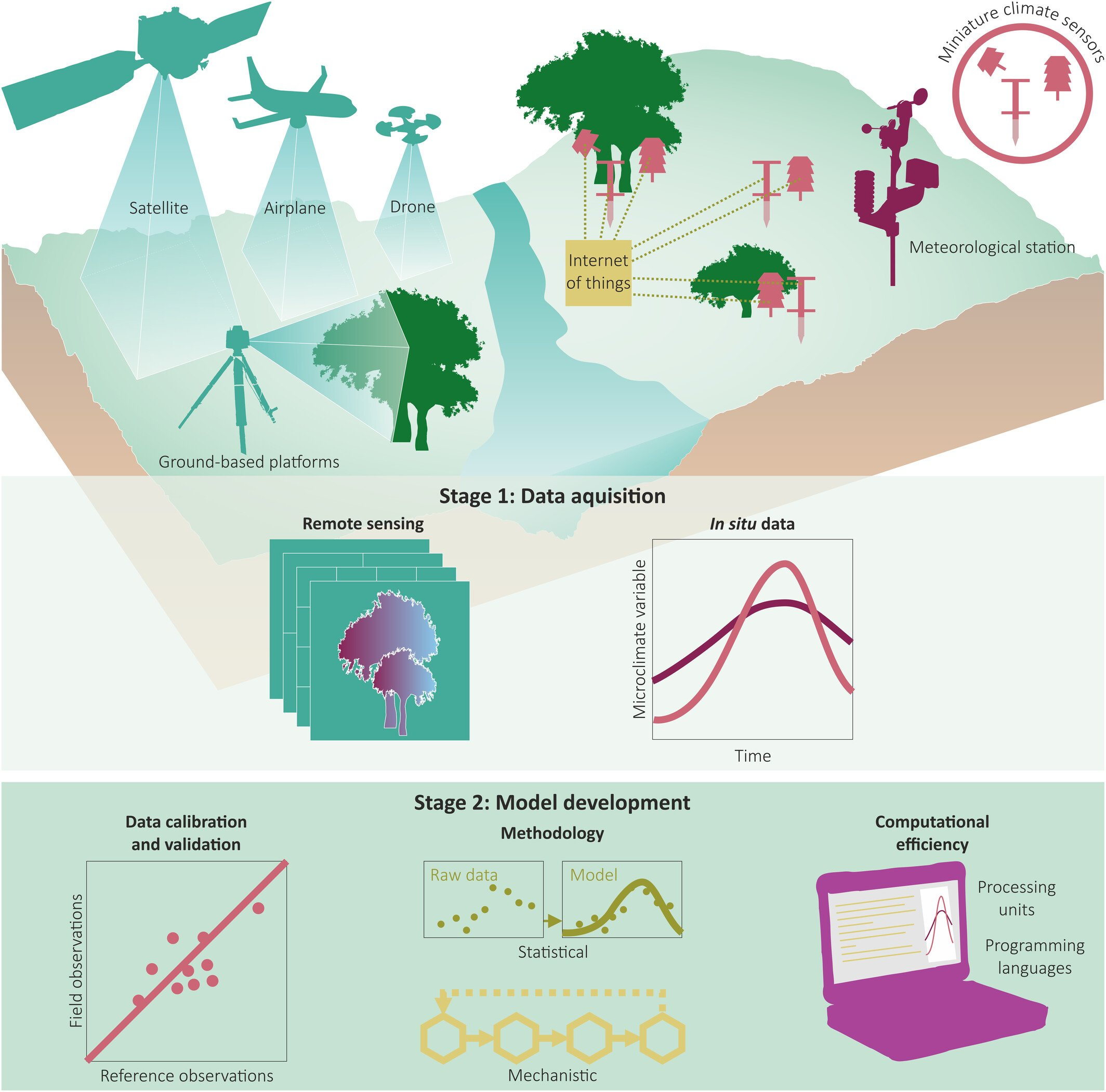
Finally, we summarize the recent advances in data acquisition, such as novel field sensors and remote sensing methods. We discuss microclimate modelling, mapping and data processing, including the accessibility of modelling tools & advantages of different modelling approaches.

Most importantly, we thus ask the question: what is next for microclimate ecology and biogeography? We identify major knowledge gaps that need to be filled for further advancing microclimate investigations, applications, and methods in the fields of ecology and biogeography. First of all, global microclimate research should be conscious of its biases. For instance, forest and tundra biomes are well represented in the microclimate literature, while microclimates matter to many terrestrial organisms across all terrestrial biomes. Second, it is also important to note that in the English-written scientific literature, microclimate ecology and biogeography are largely represented by studies, researchers and institutions of European, North American and Australian origin. We emphasize that these knowledge gaps and biases are important to consider in all future research that aims for a genuinely global coverage in microclimate investigations. This is key for making ecology and biogeography a more global endeavour.

That said, our most urgent research gaps include 1) spatiotemporal scaling of microclimate data, 2) quantifying and understanding the mismatches between macroclimate and microclimate in predicting responses of organisms to climate change, and 3) the need for more evidence on the outcomes of microclimate management.

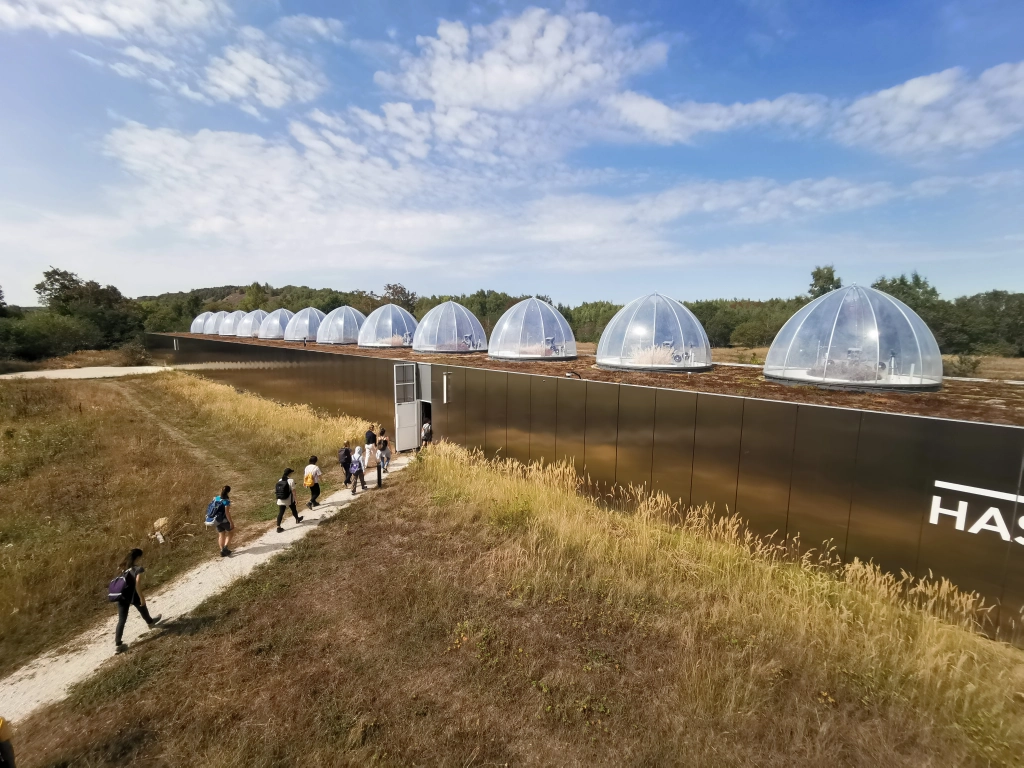
The ME&B-excursion brought us to the gigantic Ecotron experimental facilities of the University of Hasselt. A more mechanistic understanding of microclimate and its role in ecosystem functioning is high on the list for ‘what’s next’ in microclimate science

With all that in mind, this is clearly an optimistic paper: we show how we can come together with our own expertise and background, from all over the world, and rapidly move a field of research forward. Who would have thought, ten years ago, that microclimate would have become such a crucial parameter in all of ecological research? Who would have thought that so many of us would now routinely incorporate a microclimate perspective in their research? We haven’t saved the world just yet, but at least we brought a global community together with that goal in mind.

As such, the ME&B-conference was indeed truly a pinnacle of our work at SoilTemp. However, mind you, this was just the beginning of microclimate science as a global discipline. Now, our ‘snowball’ is rolling downhill, and increasingly gaining momentum. Wanna jump on? A perfect opportunity would be the néxt ME&B-conference, happening this August in Helsinki.

You wouldn’t want to miss it, as there is still so much more to learn!

Posted in Science | Tagged , , , , , | Leave a comment

Scouting the cliffs of Freÿr

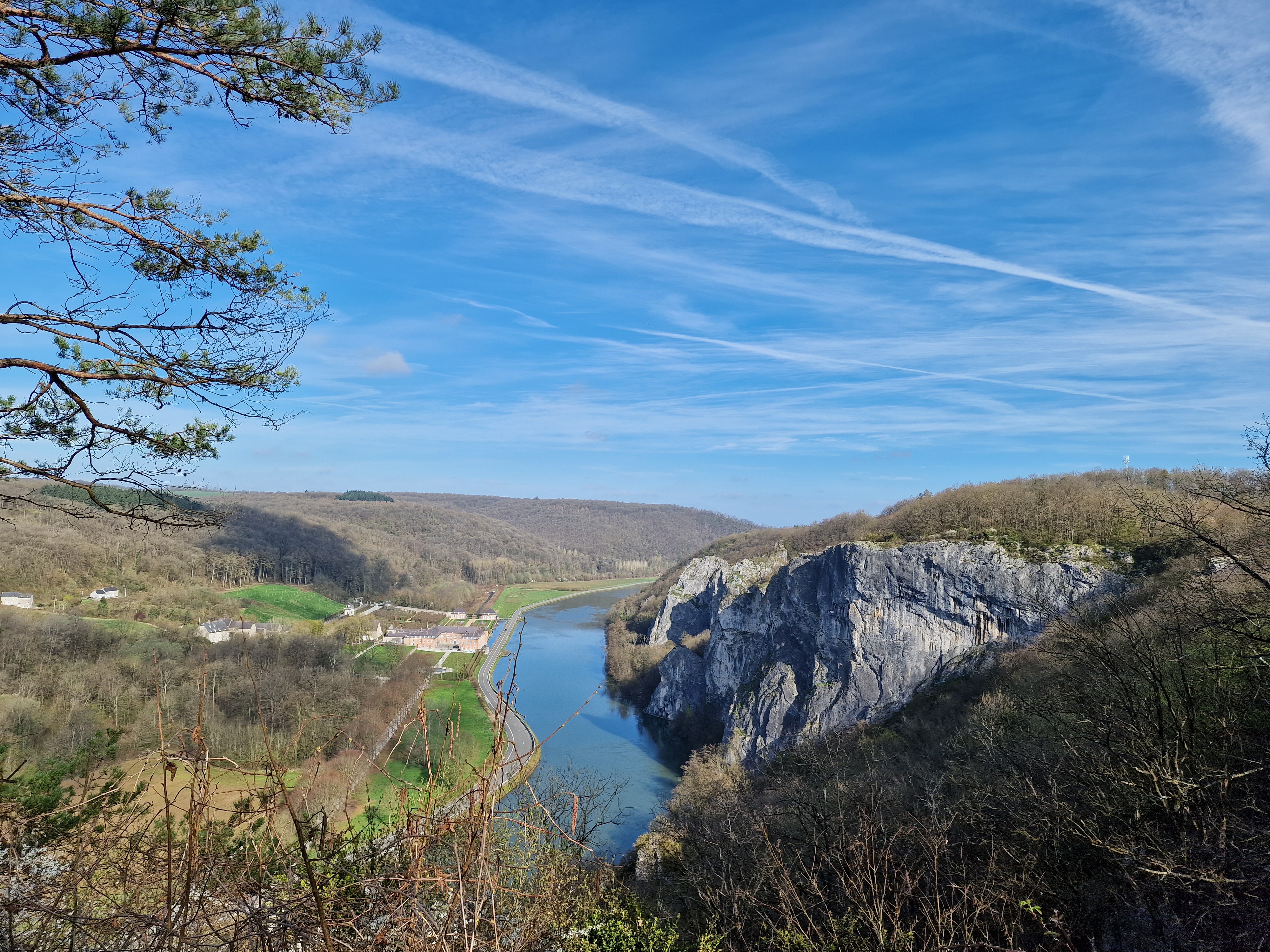
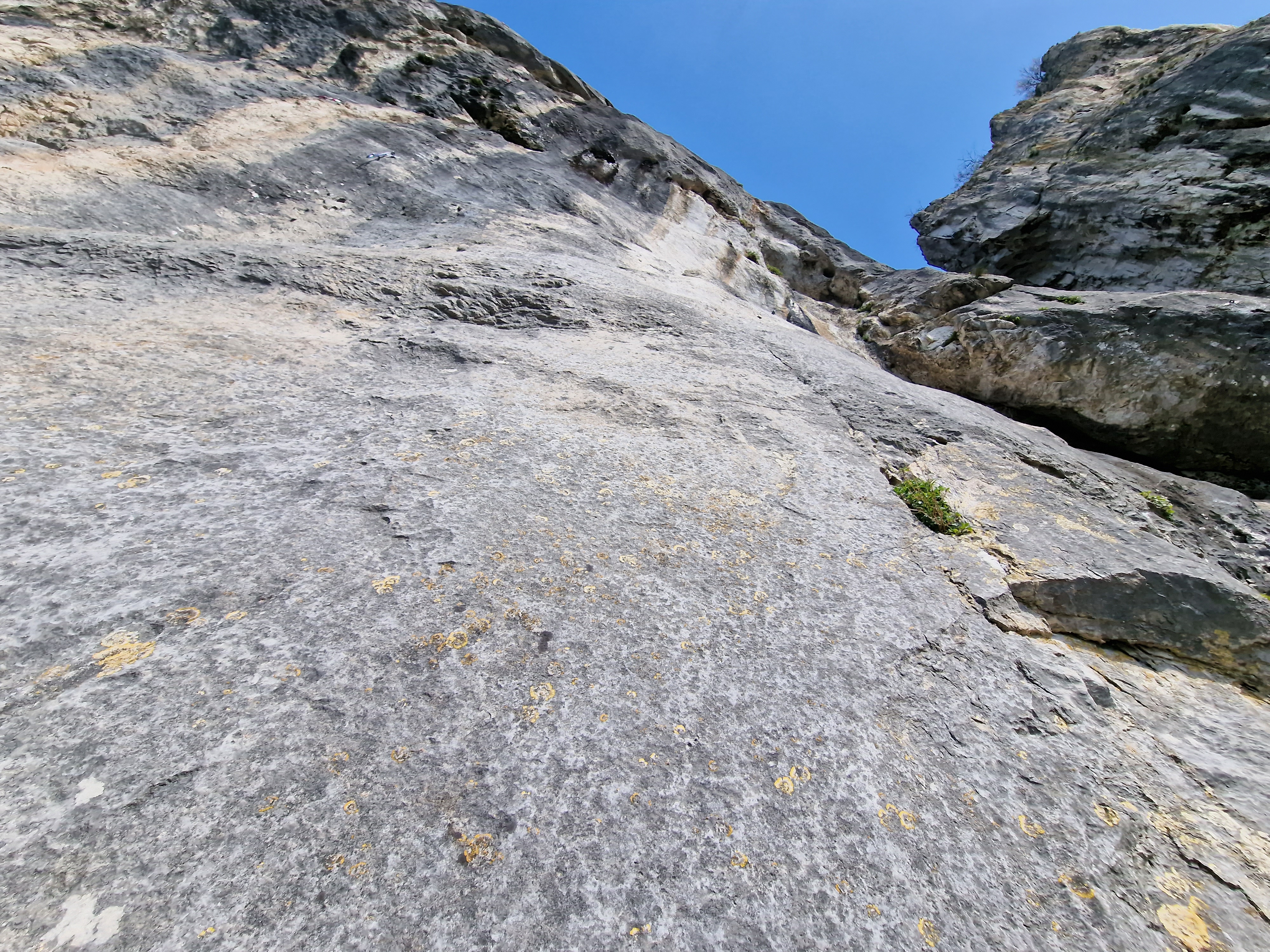
On a sunny day in early spring, our team took the car to one of the most monumental locations in Belgium: the cliffs of Freÿr. These beautiful slabs of ‘naked’ limestone of up to 120 meter, overlooking the river Meuse, provide one of the most – if not the absolute most – favourite rock climbing locations in the whole of Belgium.

Overview of ‘les Rochers de Freÿr’ towering over the river Meuse.

With easily a 1000 climbing routes, ranging from the easiest to the hardest, the rock is legendary in Belgium rock climbing milieus. It is there that we headed to for the final scouting for a new – and extremely exciting – global survey: ‘MIREN Rocks’ (more on that – and how to join – here!).

Scouting the area for the perfect survey sites with local guide David

Indeed, as we speak, we finalized the protocol for MIRENs’ global rock survey, using our experience from the cliffs of Freÿr as an example. We checked for routes to sample, estimated variability in orientation, difficulty and botanical diversity and, most importantly, tested out ways to install microclimate sensors on a cliff face.

Microclimate monitoring on the cliffs with the TOMST thermologgers

It’s the latter that perhaps makes me most excited: we can now plug in one of our trusted TOMST loggers – the simpler thermologger one – in a gap in the cliff face, and as such start measuring the true temperatures our cliff plants are experiencing. The ultimate cross-over between my two favourite networks, MIREN and SoilTemp.

The three-layered shield helps reduce the error resulting from direct solar radiation. Nevertheless, it will be hard to get accurate reads of the local temperature due to the extreme radiation absorbed, reflected and emitted by sunbathing cliffs

Now, that protocol is ready for action, also thanks to the extensive contributions by experts from across the globe. As such, the protocol has grown into a true community effort, and we hope it will be a resource for many climbers and ecologists to help us track rock cliff vegetation and the implications of rock climbing on it.

Selecting the optimal climbing routes for our upcoming monitoring

So, take this as a wake-up call: are you an ecologists, botanist or the like, and do you like to climb rocks? Then please join MIREN Rocks! All information can be found here.

Cliff surveys would go fast in some places if you count the number of plants on them – where it not for the issues related with getting up there!
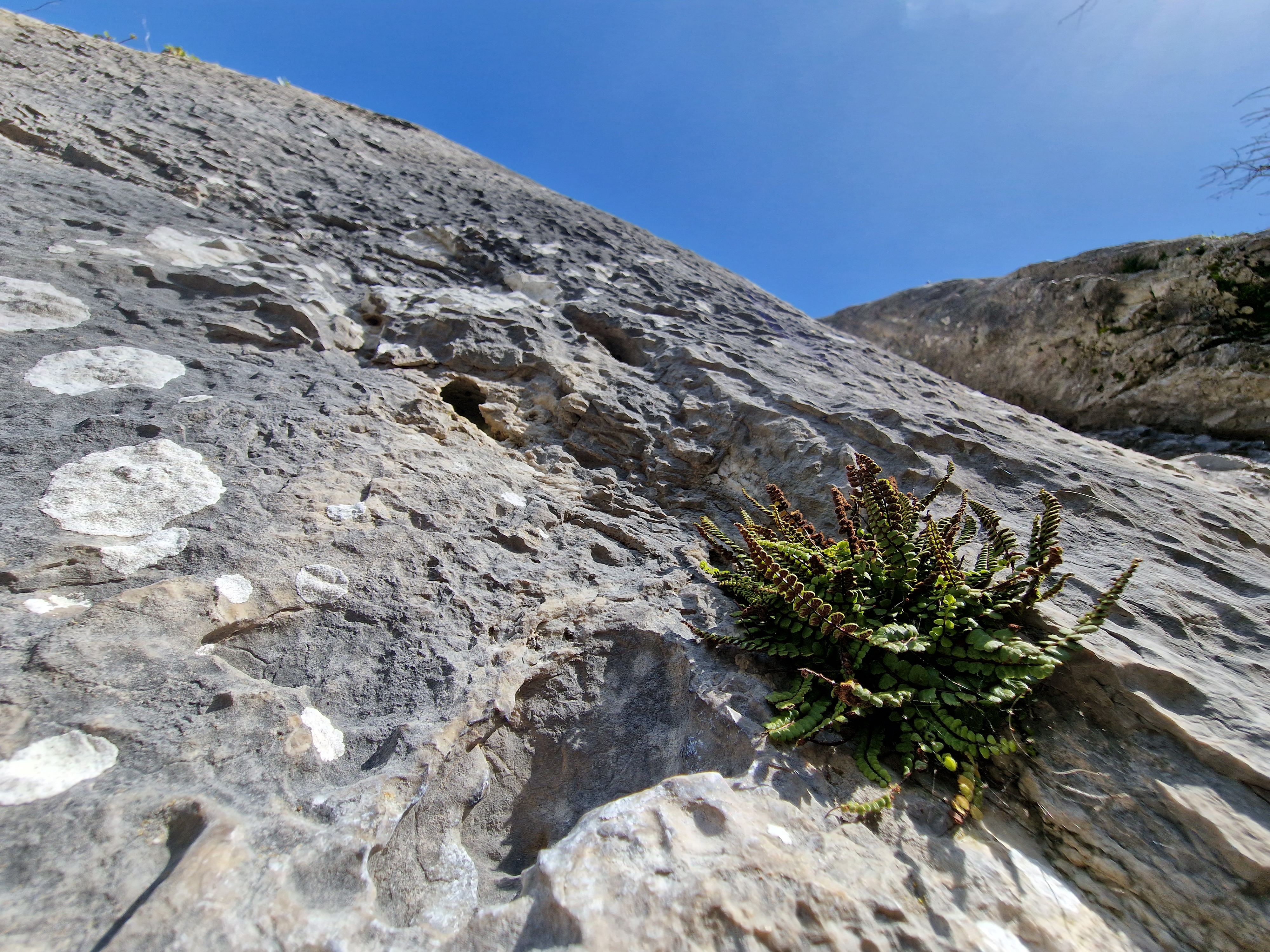
Asplenium sp. – lover of cliffs
In some spots, the cliffs drop directly into the Meuse
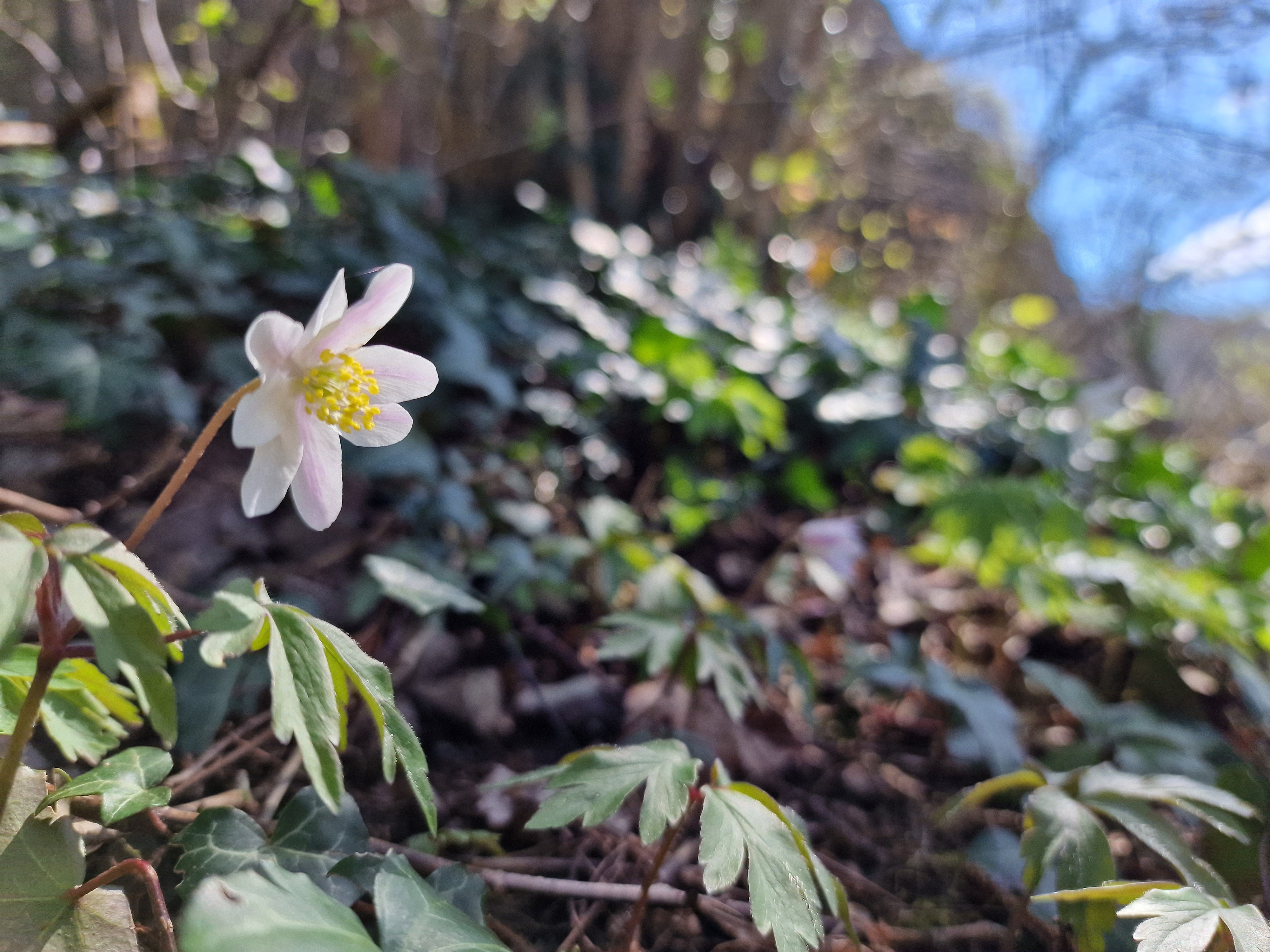
The surrounding Natura 2000-forests were starting to be covered in beautiful spring flowers – here Anemone nemorosa
Posted in Belgium | Tagged , , , , , , , , , | Leave a comment

A new beginning

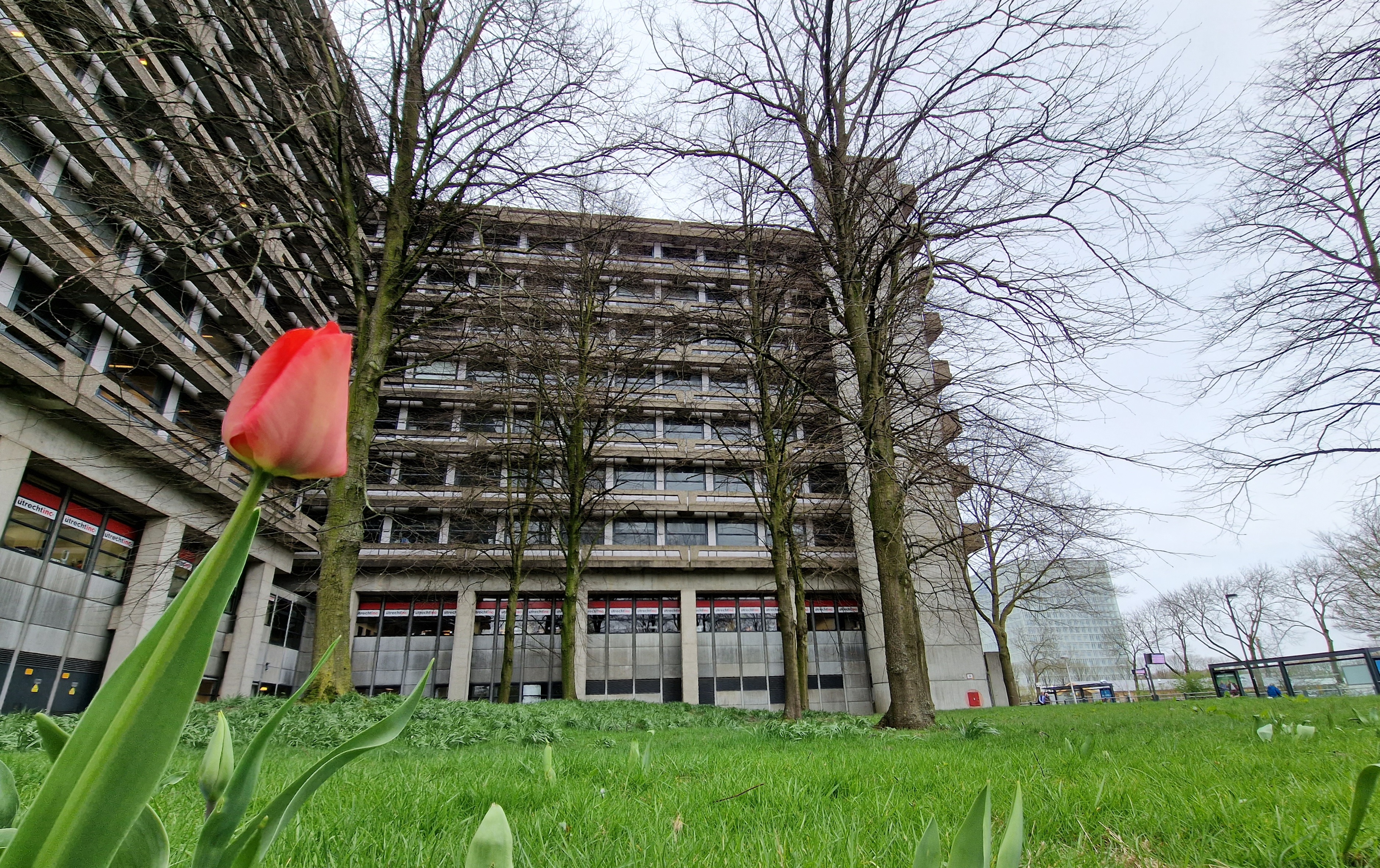
My new home in Utrecht

Last week, I spent a delightful day at my soon-to-be new home university in Utrecht. A day packed with discussions on scientific ambitions, teaching plans, and meeting new colleagues and ongoing research in the group. The first tulip of the year made it all feel like an official new beginning.

The real start will have to wait till May 1st, but you bet that I’m already making plenty of exciting new plans in advance!

Posted in Netherlands | Tagged , , , , , | Leave a comment

Out listening

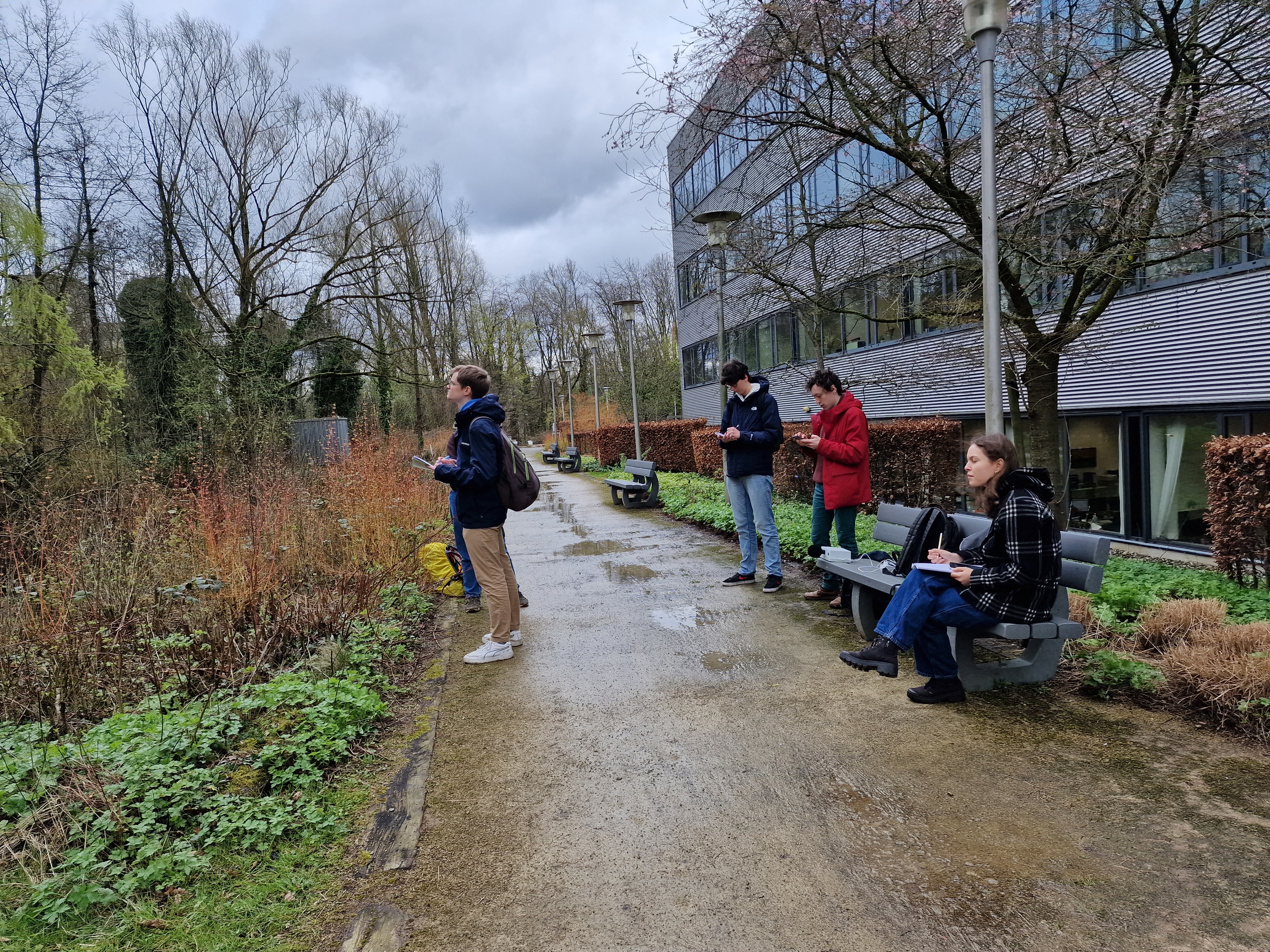
Last week, you could find an enthusiastic subset of our team hanging around suspiciously on the campus of the University Hospital in Antwerp, booklets in hand and an ominous device close by.

Ten minutes of just listening and nothing else – science can be highly therapeutic as well

This was the kick-off of a new measurement campaign in the framework of ‘De Oorzaak’, our ongoing large-scale citizen science project on urban soundscapes. Our trip to the hospital allowed us to catch multiple birds with one stone.

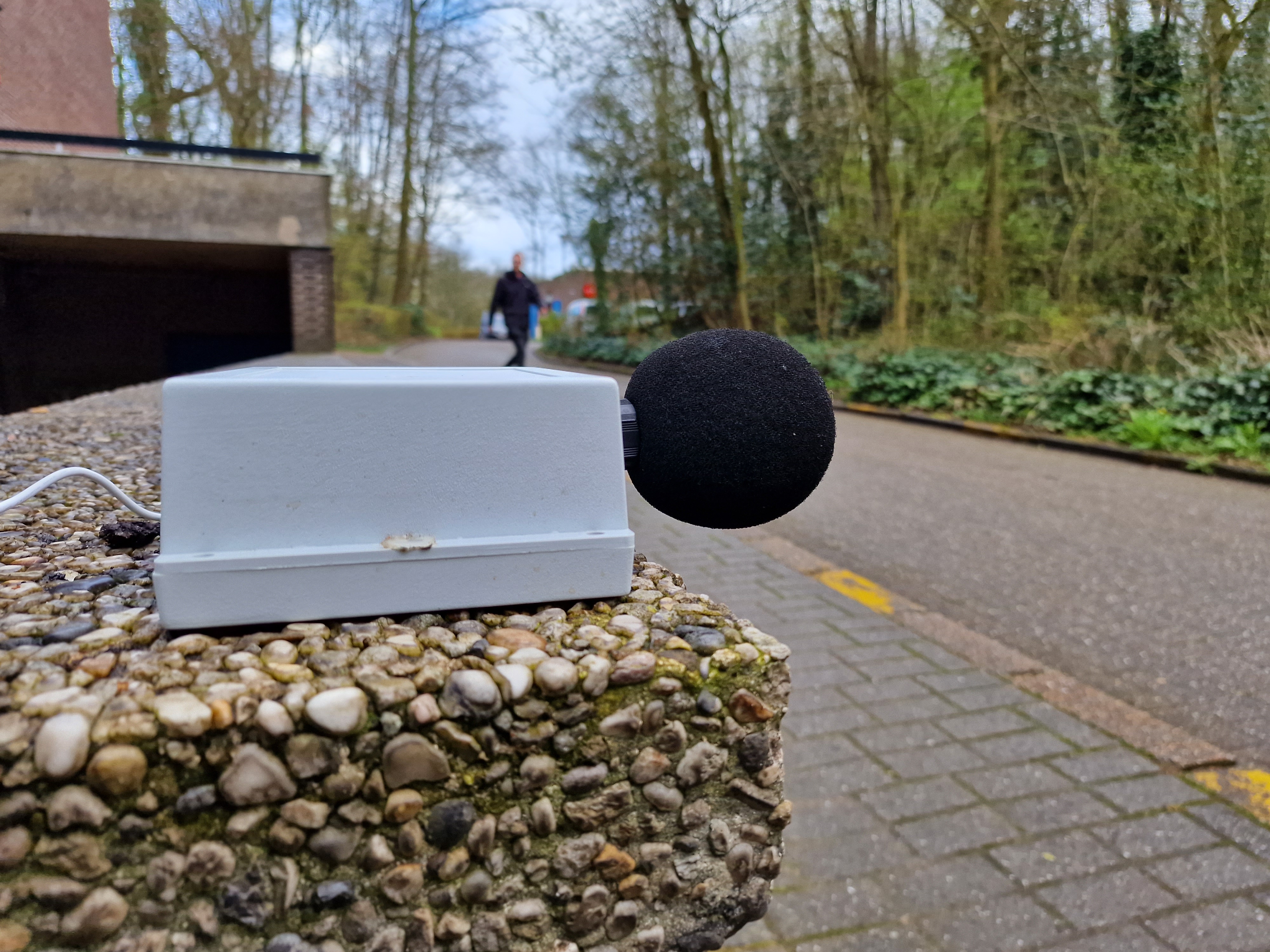
First of all, we’re out in the real world capturing sounds. We need a whole lot of different sounds, from all kind of sources, to feed in the AI-models that will automatically detect sound sources in our upcoming large-scale measuring campaign. We listen, the sensor records, and we write down exactly what we hear, greatly facilitating manual labelling of the soundbites afterwards.

This box-with-a-microphone is doing most of the legwork for the project. It has sufficient battery to survive a day without an energy source, allowing us to take it onto a walk into the city.

Second, we are interest in the soundscape on the campus of the university hospital itself. We want to know what sounds patients residing on campus experience, and how that affects their health. And, as we are ecologists at hard, we want to figure out what role a greener hospital campus can play in that regard.

Third, we made use of this trip to start recording bird sounds. We hope to use our extensive sensor network to make a unique spatiotemporal assessment of the distribution of bird sounds in the city. For that, we of course again need to listen to a lot of birds ourselves. Luckily, those were starting to wake up for spring: great tits, blue tits, robins, wrens, ducks, moorhens, even a long-tailed tit: our bird sound dataset is starting to grow!

Finally, we can provide a subjective assessment of that soundscape: how nice was it, how lively, how chaotic? Following standardized terminology, we can create a dataset that links objective sound measurements to our experience of that sound.

Glad this is on a role again, and much more to come!

Posted in Belgium | Tagged , , , , , | Leave a comment

Assistant professor in ecological scaling

Major milestone: first of May, The 3D Lab is making a big move to Utrecht University in the Netherlands, and it is doing so following my recent appointment as an assistant professor in the Ecology & Biodiversity-group there. Major milestone, indeed, as this means I have left the realm of temporary postdoc positions, and entered the world of long-term academic security (pending tenure, of course).

I’m very honored to be stepping into the role of ‘assistant professor in ecological scaling,’ a unique title that perfectly aligns with my current and future aspirations. Ecological scaling involves delving into ecological mechanisms at a fine resolution and assessing their validity, robustness, and broader applicability on regional or even global scales. This scaling up of ecology has been at the forefront of my work since my first involvement with the Mountain Invasion Research Network (MIREN), back in the days of my master’s thesis in 2012. Through MIREN, our aim is to delve into the factors driving species redistributions in mountainous regions and understand how these dynamics scale up from specific regional settings to the entire spectrum of mountains worldwide.

This switch to the Netherlands marks the end of twelve years of research at the University of Antwerp. Yet, I won’t be cutting all ties, and will keep a strong connection with students and team members staying behind, and will ensure the smooth running of the citizen science trains currently on track.

Scaling up ecology is also a key component of my work with another project dear to my heart: the SoilTemp network. This initiative aims to extend the understanding of microclimate—a phenomenon inherently local in nature—to broader regional and global contexts. These two networks – SoilTemp and MIREN – will therefore remain core pillars of my future work. With the added security of a long-term position, I am eager to finally stop nibbling and start taking full bites out of my long-term vision to explore the intricate mechanisms governing both microclimate dynamics and species redistributions from local to global scale.

However, I am also eager to push the boundaries further, particularly in unraveling the intricate mechanisms driving biodiversity dynamics. To achieve this, I look forward to collaborating with the exceptional expertise in experimental research within the Ecology & Biodiversity group at Utrecht University. Together, we will tackle the issue of ecological scaling both top-down and bottom-up. A lot of room left for future developments in the area of scaling up experimental findings, for sure. To be continued, so stay tuned for the coming few decades…

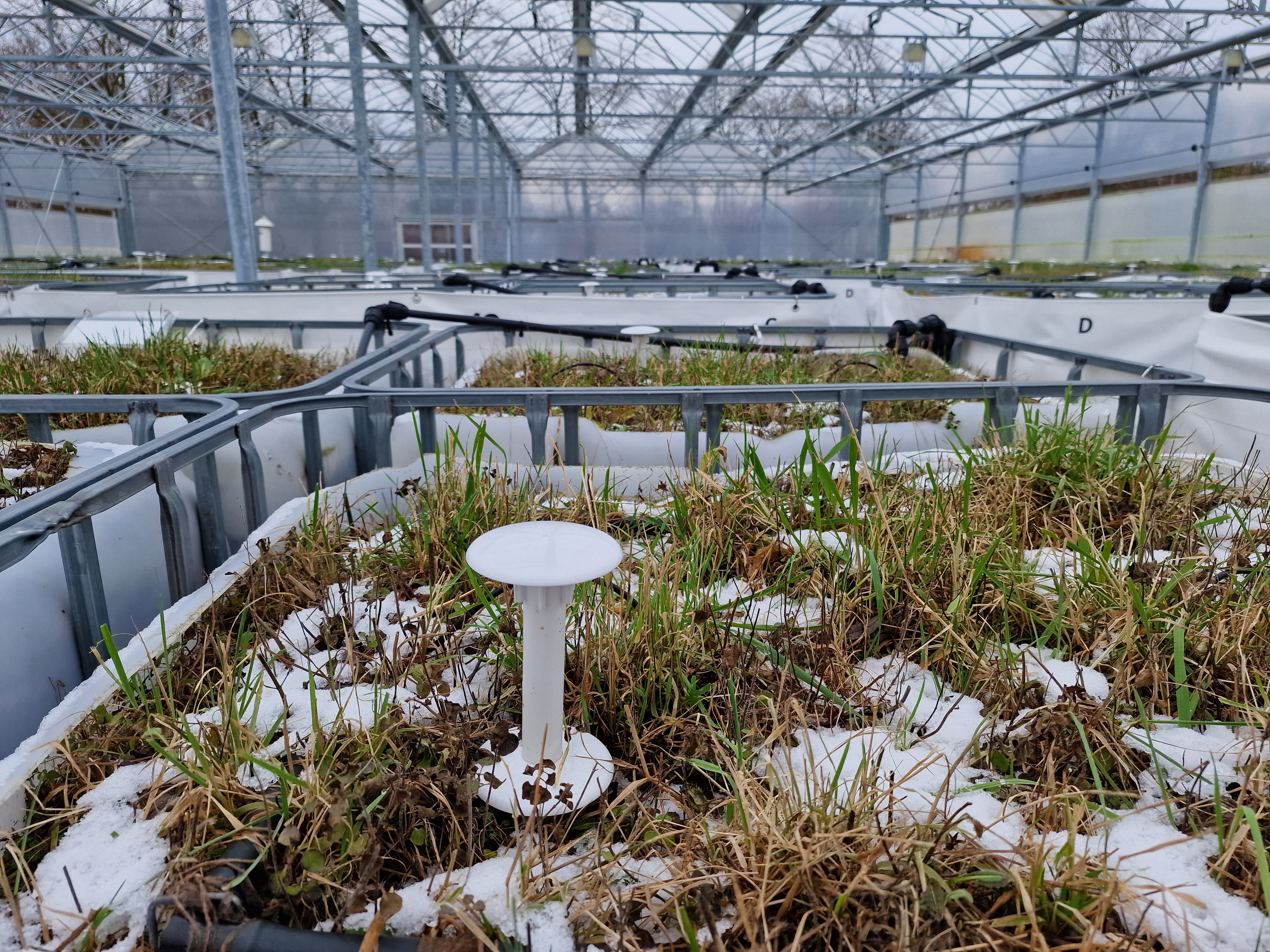
The biodiversity experimental facilities at Utrecht University provide fantastic opportunities for scaling up of the mechanisms behind microclimate and biodiversity. Here: BioCliVE (https://www.uu.nl/en/research/ecology-and-biodiversity/research/uu-bioclive)

‘Ecological scaling’ to me is the perfect blend of theory and practice. It involves a lot of fundamental ecology, yet with the ultimate goal to save the world. I will also make it a crucial point to build that link from theory to practice and work further on the scaling of ecosystem services and ecological management, the way we have for example been working in our citizen science project ‘CurieuzeNeuzen in de Tuin’.

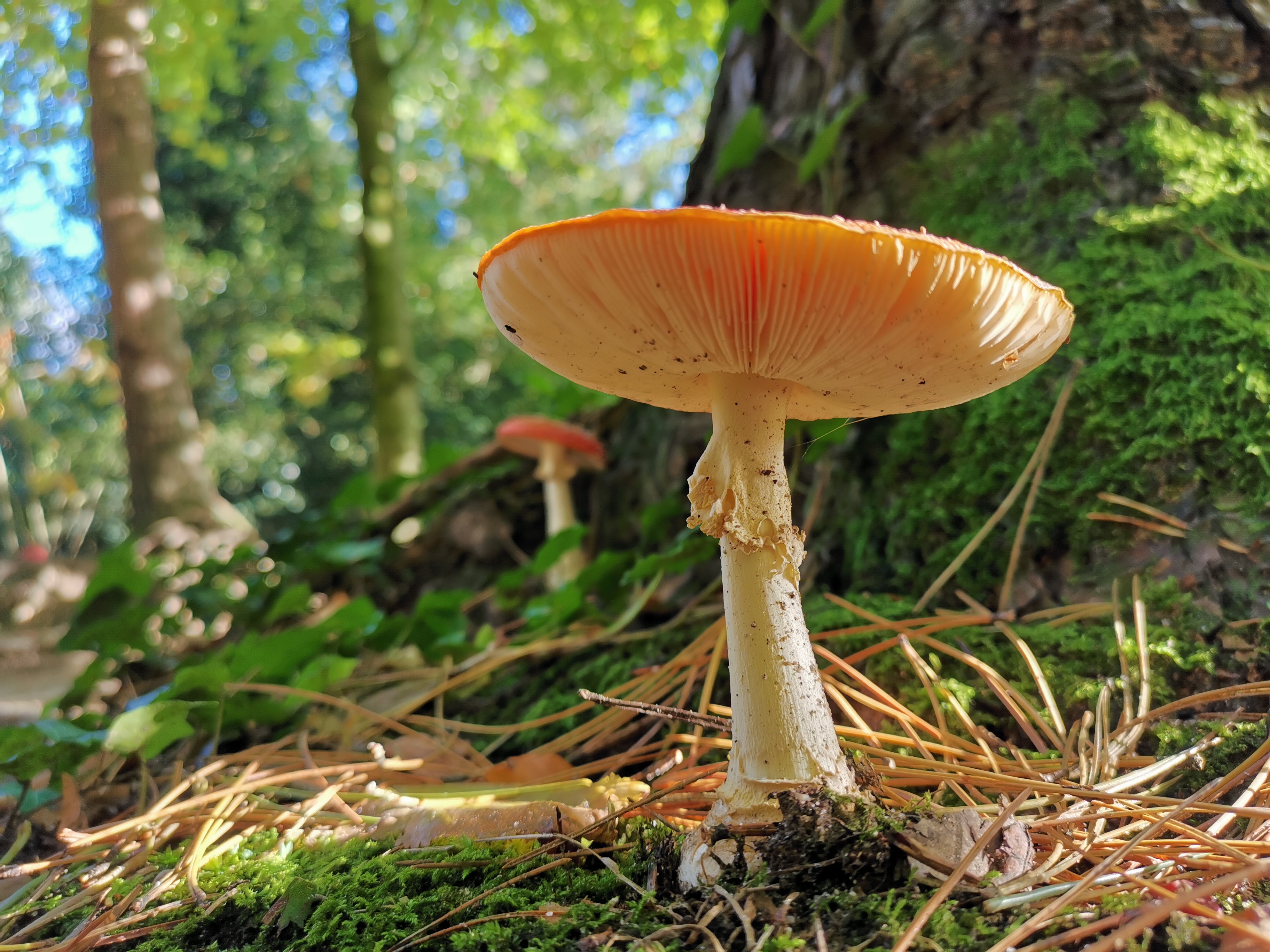
A fly agaric in a Dutch forest, the fruit of an ectomycorrhizal fungus living in close interaction with the trees surrounding it. I also aim to work further towards understanding these kinds of interactions across scales, to conserve beautiful natural sceneries like this one.

Above all, however, I see this new position as a once-in-a-lifetime opportunity to further expand my role as a mentor. The 3D Lab will continue to evolve into a nurturing environment where aspiring young scientists can learn and thrive as part of a team. While the physical transition to the Netherlands won’t include my team members, our strength in virtual collaboration remains a hallmark of the group. Moreover, I’m committed to leveraging all available resources to enhance opportunities for those working alongside me—a goal that was previously constrained by the uncertainty of my own position.

That mentoring will also expand further as I join the teaching staff for the over 400 biology students in Utrecht. I will take my time – and am extremely grateful for the opportunity – to think critically about what and how we should be teaching the next generation, and if any updates are to be made.

A flower-rich (but species-poor) meadow close to Maastricht, last summer. Ready to turn my gaze to the issues and opportunities of Dutch nature as well

So: are you interested in doing science in the Netherlands, or are eager to forge collaborations on the expansive topics of microclimate, species redistributions, and scaling up ecology, now’s the time to reach out! The opportunities are endless, and I’m excited to explore them together. Let’s embark on this journey of discovery!

Posted in Netherlands | Tagged , , , , , | 4 Comments