It’s safe to say that last month’s call for microclimate data for our growing SoilTemp database was a success. Almost two hundred new datasets, ranging from just a few sensors to a whopping 32 thousand per dataset, poured into our new SoilTemp email address. All that for a grand total of….
MORE THAN 50.000 NEW TIME SERIES!
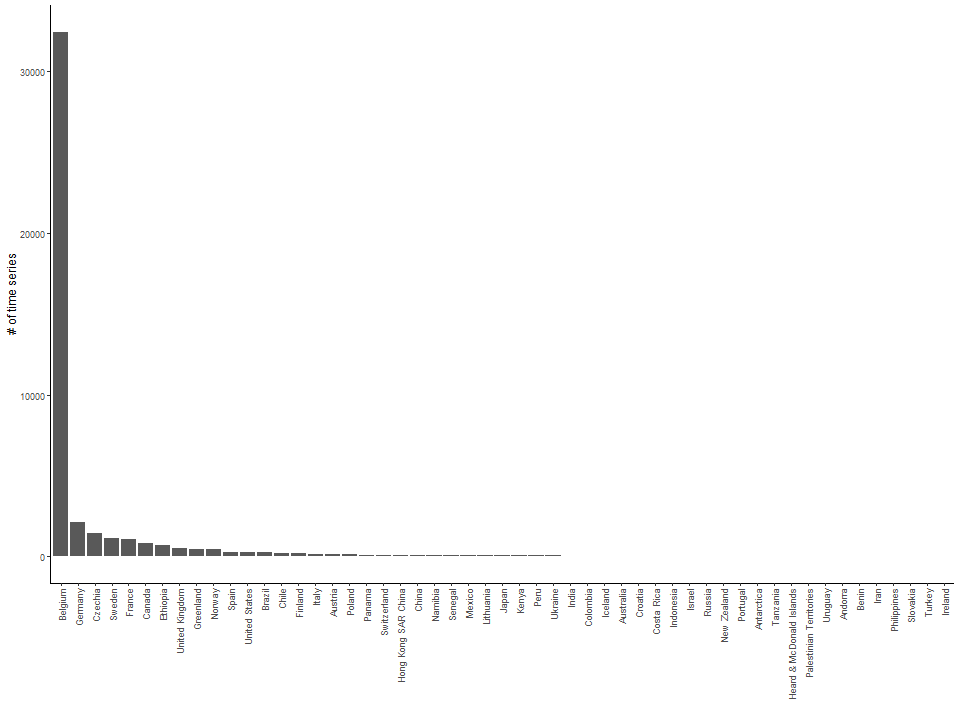
Now, we are putting everything into force to get all that data processed and added to our database. But I already wanted to provide a sneak-peak of the scope of that new data, through this graph of number of time series per country*.
Number of time series per country received during this call for data
The tally contains a total of 53 countries, in itself likely to substantially increase the number of countries we had already in SoilTemp 1.0 (over 70). Maybe at some point, there will not be any comments anymore about our database not being truly global!
Now, there is a ‘little ommission in that previous graph: the new submissions from Belgium (where I am based). There, we made use of an army of citizens to collect that dataset of 32.000 time series mentioned above, an achievement that obviously skews our graph a little bit when added.
Number of time series per country received during this call for data, skewed towards the rather overwhelming submission from Belgium
Now, if you think you have some fantastic data lying around and are sad you missed our deadline, don’t worry! There is a latebreaking deadline on October 20th, for those who are collecting their data over this northern hemispheric summer, and for those who only learn about the initiative now. All data still welcome by then to be included in our upcoming database publication!
*Only for those who followed exactly the submission format, as no further processing has been done, so this is a bit of an underestimation!
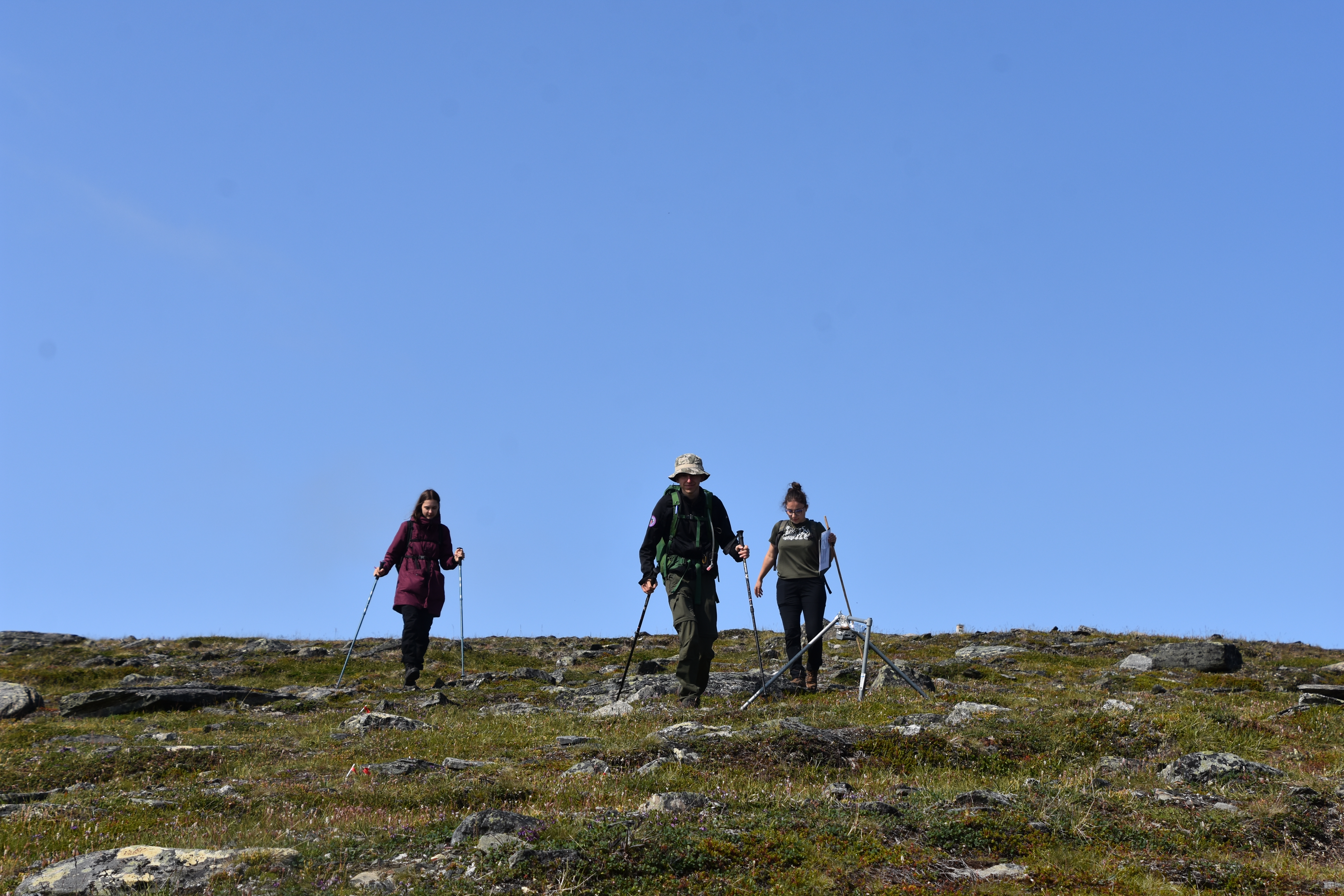
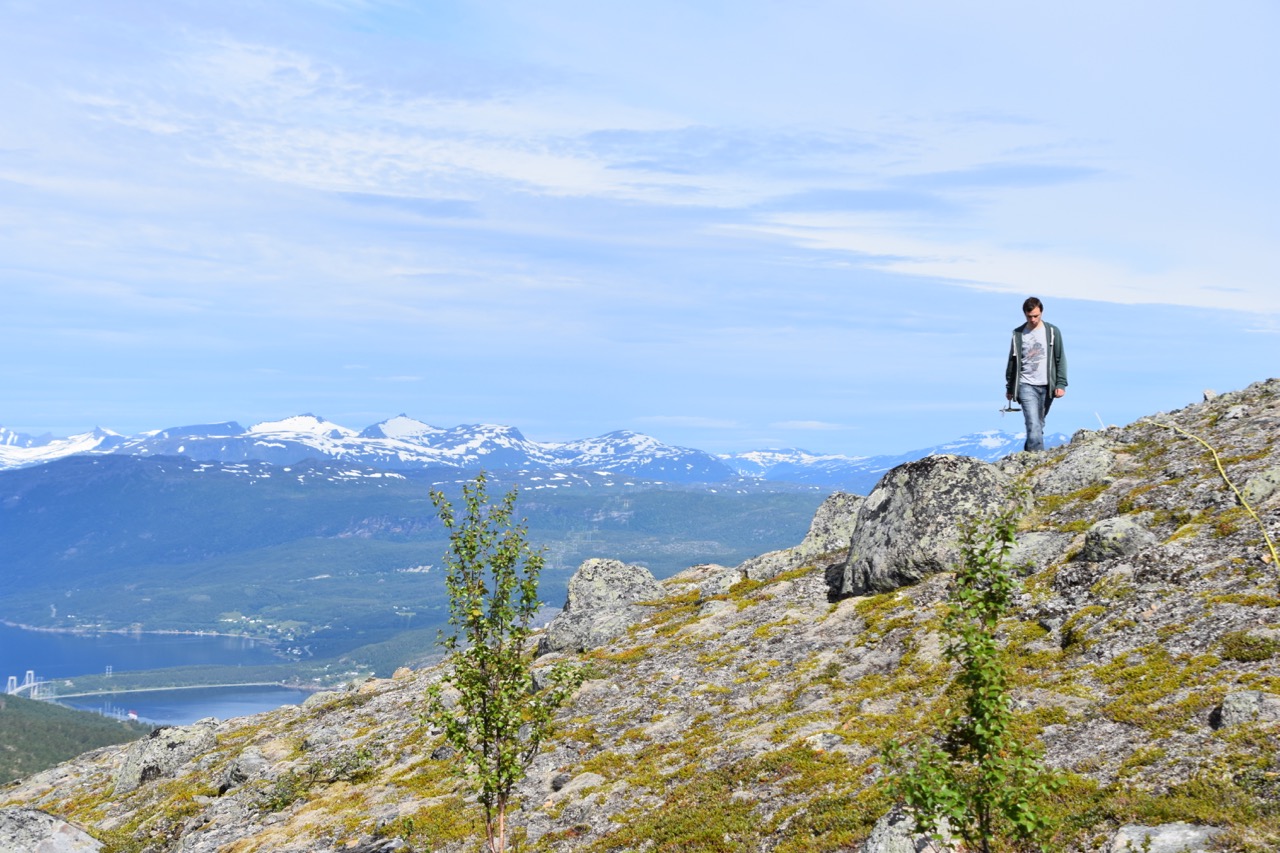
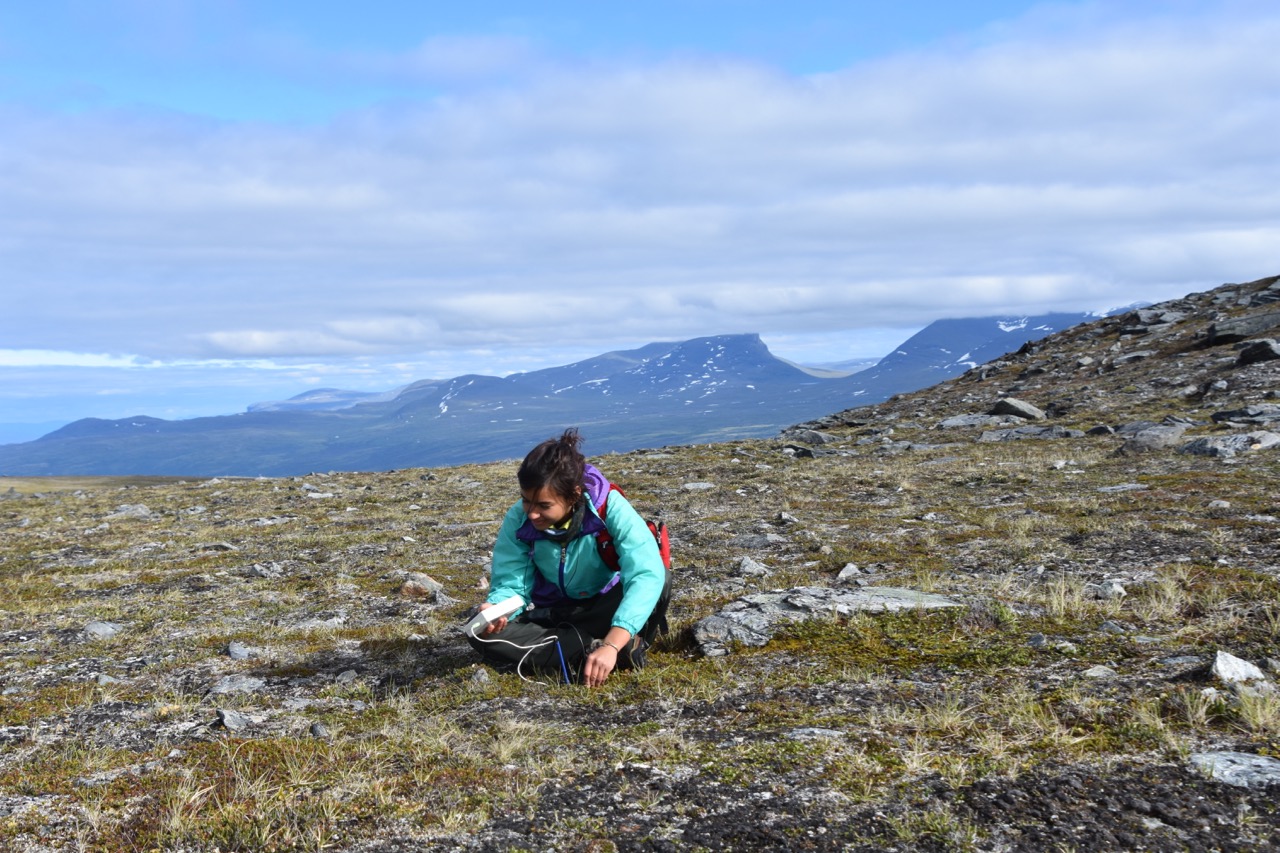
It was summer 2017, the height of my PhD. As always, I spent the longest days above the polar circle, in the north of Scandinavia. We were there to follow up on our long-term vegetation monitoring, in particular this time to do the five-year resurvey of the roads we are tracking there for the Mountain Invasion Research Network. Little did we know that amidst all the data collection, a side project involving leaf harvesting would eventually lead us on an unexpected journey.
The summer of 2017, spend in the eternal sunshine of a sunny northern Scandinavian July, doing what one should do on such an occasion: botanizing!
We also harvested a bunch of leaves, that summer. Our goal? To examine plant traits across various elevations and explore the impact of roadside disturbance on these traits. Our dedicated master student, Amélie, crafted a fascinating thesis, full of intriguing discoveries that unfortunately remained buried in the shadows, as so far too often the case with master theses.
However, our leafy escapades did not go in vain. We decided to contribute our precious data to the Tundra Trait Team-database, led by the indomitable Anne Bjorkman from the University of Gothenburg in Sweden, making them a vital building block for a global dataset of tundra plant traits.
Beautiful leaves – here of Betula pubescens – going under the scanner to assess their size
Now, that global database has resulted in a new and exciting study, freshly published in Nature Communications. The idea was to combine this large database with species distribution data, and hopefully predict which species would emerge as champions or casualties in the increasingly-changing climate of the tundra. The hypothesis was that it would, as one can expect certain kind of species – with certain traits – to benefit disproportionally more or less from changing climatic conditions in the tundra than others. For example, all signs point into the direction that taller plants would increase significantly in cover at the expense of short-stature ones.
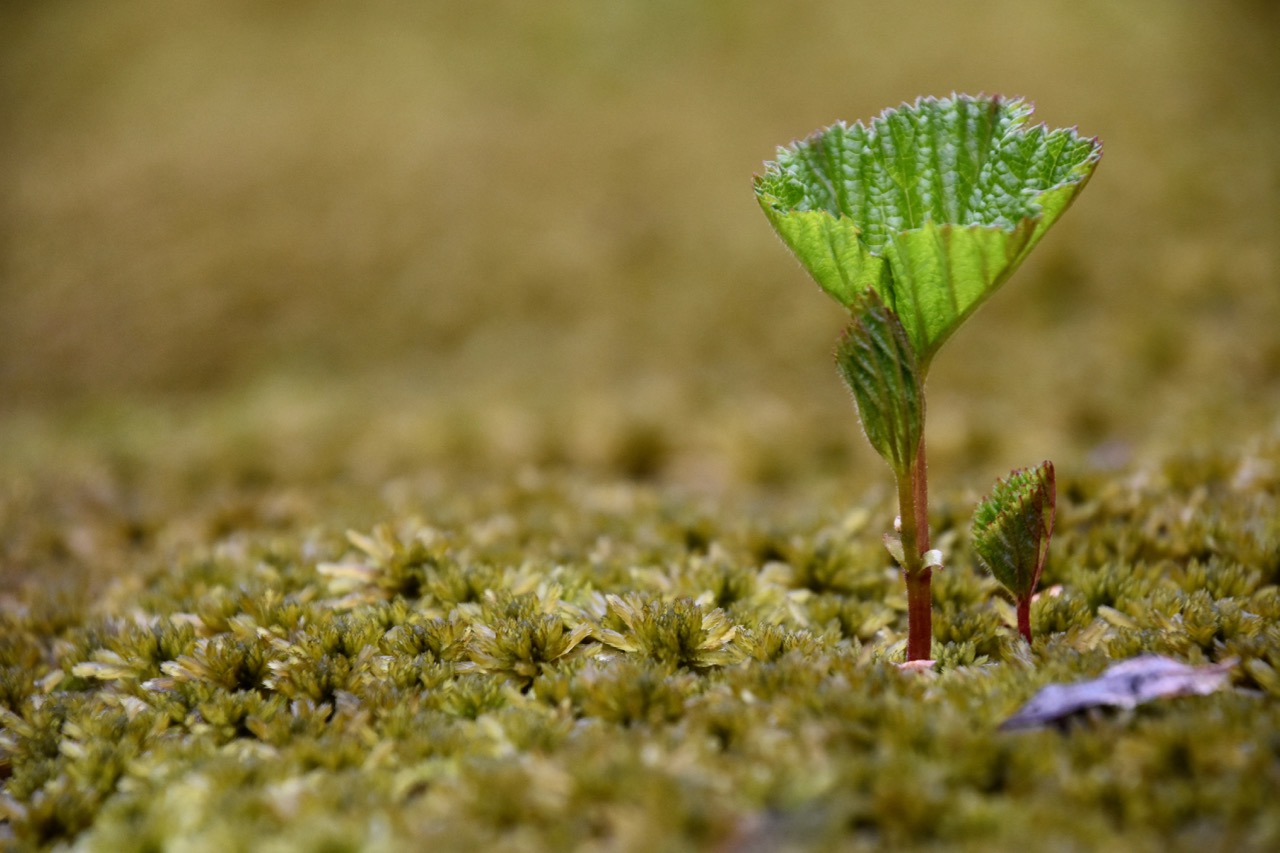
Tall plants – here Valeriana sambucifolia – were expected to profit from a warming climate in the tundra, yet the findings do not confirm that hypothesis.
Now, was that a bit of a disappointment! Our initial hypothesis, built upon the pillars of previous literature, proved too simplistic for the complex world of tundra shrubs. Instead of consistent trait responses, we discovered similar values of height, specific leaf area, and seed mass among both range-expanding and contracting tundra shrub species. Mother Nature is known to love her surprises!
Who wins and who looses in a changing tundra is a complex matter. Our paper helps to adjust our expectations in that regard! Photo: Rubus chamaemorus, the cloudberry.
Importantly, projected range shifts will thus not lead to directional shifts in shrub trait composition or variation, as both winner and loser species share relatively similar traits.
As usual, of course, there is plenty of room for improvement. Our study highlights the need to explore other morpho-physiological traits for which sufficient data remains elusive, and to address how demographic processes might mediate tundra shrub range shifts.
Leaves are beautiful, and fun to work with. But perhaps the answer to our question could be found underground! Time to give more prominence to root traits in future global research as well!
In our quest to uncover the future winners and losers of climate change in the mesmerizing tundra biome, we’ve encountered a few unexpected twists and turns. It’s as if these plants are whispering, “Don’t judge a shrub by its leaves!” The observed and projected abundance changes and range shifts will thus interestingly enough not lead to major modifications in shrub trait composition, since winner and loser species share relatively similar traits. So, as a scientist, I’m happy to shout out as a conclusion: “oh boy, is it complicated!”
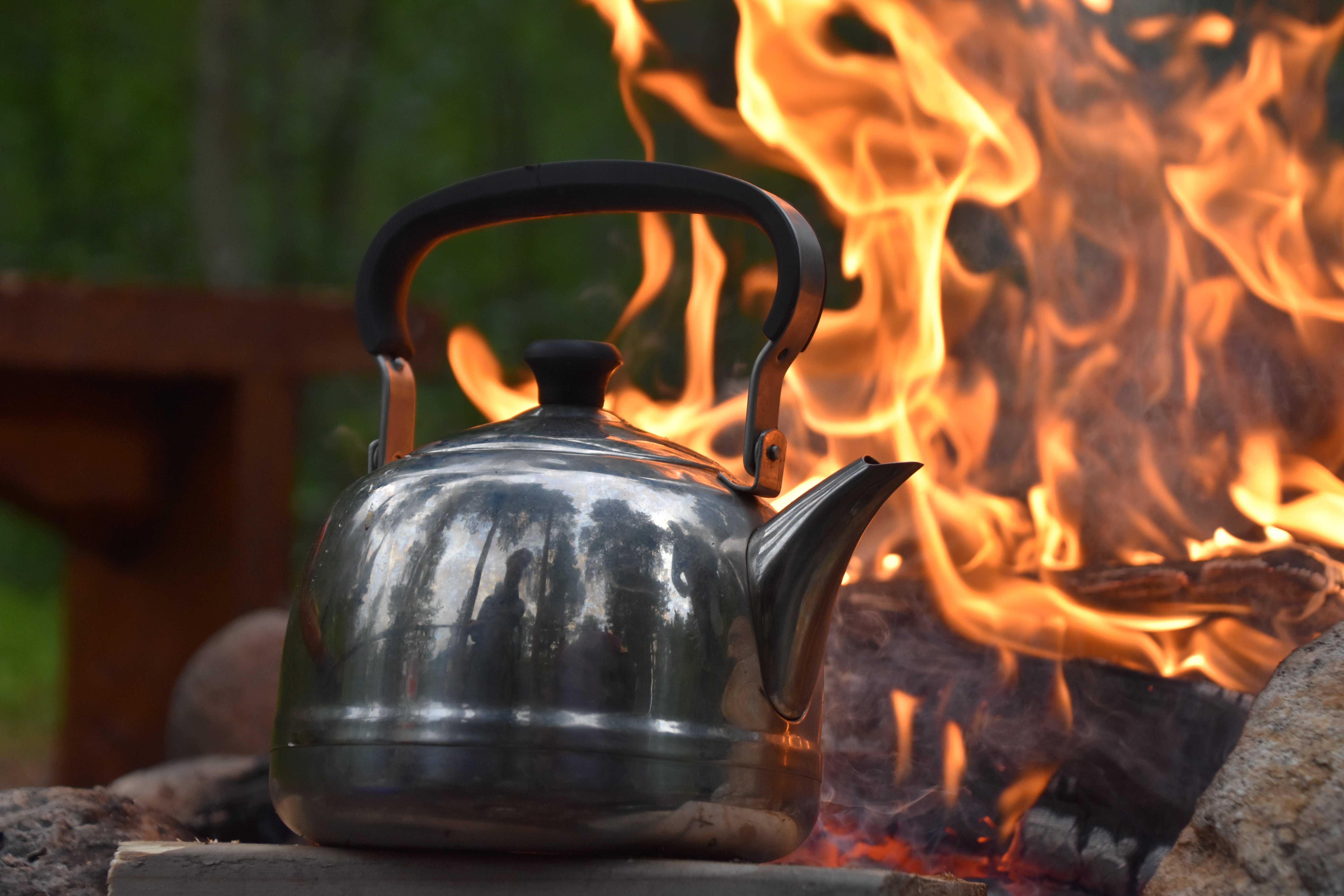
The tundra is changing, and rapidly, let there not be any doubts about that. Yet, it has been less straightforward to predict how that future tundra vegetation might look than ecological theory suggested.Warming a cup of tea on the campfire at our hut in the Norwegian mountains in the summer of 2017
‘Species On The Move’: It’s a conference name with a ring to it. Its goal is to bring together scientists and conservationists around the topic of the impact of climate change on species distributions. This third edition was held in a fancy Floridian hotel bordering the Gulf of Mexico, and the topic felt more pressing than ever.
Pretty surrealistic view of the hotel hosting the SOTM-conference, embedded in the mangroves on the coast of the Gulf of MexicoCorkscrew swamp, with some of the last remaining old cypress forests of Florida, set the scene very well for our conference
For one, the surrounding area in Southwest Florida excellently highlighted some of the main messages of the meeting. Florida is a state packed with wildlife and rare plants but is also a state with an astoundingly rapid expansion of human settlements, with little to no regard for the idea that land may have its limits. As a result, there were turtles in the parking lots, crabs on the road, and manatees in the marina, but also all water drained from the protected marshland surrounded by rapidly expanding human settlements.
Beautiful native green anole lizard, one of the countless animals one can admire in FloridaUrban expansion everywhere! Here another piece of mangrove removed to be turned into a hotel
These obvious human-nature conflicts reminded me of one of the recurring topics of the conference: most of the time, species are NOT moving as predicted based on climate change, and one of the many reasons is that they simply CAN’T. They lack the natural corridors to reach areas with ideal (micro)climatic conditions, as they are locked on tiny islands of nature in an anthropogenic ocean. This issue of connectivity has only recently been revisited in the research on species redistribution (although the problem of connectivity itself is, of course, widely known), as until now we simply lacked the data to test this thoroughly. Together with the whole story of why species are not moving as they ‘should’, a topic that we urgently need to keep working on as a field.
Determined-looking turtle in a parking lot at the edge of a nature reserveIbis simply ignoring the beach-goers. Black vultures feasting on dead fish after a pond dried up. The rainy season was delayed, and drainage doesn’t help, but this annual drying up of ponds – to the delight of vultures – is not that unusual, I understood
A second way in which Florida screams ‘moving species’ at you is through its vast collection of non-native species. I saw a bunch of lizards (and each of them got me excited all over again), but it turned out that many – if not most – were not native to the region. The spread of non-native species is a topic that has obviously been widely discussed in the literature already but, it turns out, largely separated from the ‘species on the move’ literature. There were indeed very few invasion ecologists at the conference, despite the strong overlap in interests! Taking a look at the lessons learned in invasion ecology and how they do and do not apply to the new situation at hand for climate-driven species redistributions would also help us substantially move forward!
Non-native anole showing off its ‘dewlap’
This is just a glimpse of the many important issues that came to light at the conference. Luckily, there was an atmosphere of creative enthusiasm, and I felt like we collectively made six months of progress in a span of mere days. I am confident you will hear more about our achievements in Florida in the near future. And that’s crucial, as species movement is only just gathering speed!
Little crab determined to fight me if I would come any closer. Many species are punching above their weight, but the fight is only getting harder. Conferences like this one are crucial in our search for practical solutions to the problem of moving species that our world faces – and increasingly will face. (Note: there was a lot more talk about solutions than I’m touching upon in this blogpost – but I’ve always been more on the theoretical side myself)
With 200 or so we came together, here in the scorching heat and relentless urban expansion of southwest Florida, to talk about ‘species on the move’.
How an unfortunately large part of southwest Florida seems to look nowadays. Imagine the extreme microclimates in these non-habitats!
Global change is pushing species from all sides, forcing them out of their traditional ranges into new ones. With ‘SOTM’ already at its third edition, this issue has only become more urgent. Species range shifts are picking up speed, increasingly moving into uncharted territory, and causing a complicated reshuffling of biodiversity. Yet there is something intriguing about these species range shifts: there are only very few that are tracking climate change as predicted. Many terrestrial species are lagging behind climate change, or even moving in unexpected directions.
Corkscrew swamps and marshland, original Floridan wetlands
It is in this context that I’ll be giving a keynote lecture on Friday on the role of microclimate in the matter, as it seems to be that microclimatic heterogeneity could be taking away a large part of the need for species range shifts: thanks to microclimate, species often have to move only a few kilometers to find the climate conditions they are looking for.
However, these microclimates are also warming! Problem is, we don’t know yet how fast. My work focuses on getting that question answered: how fast is microclimate changing, and how can we best slow down that changing climate?
Forests buffer microclimate. Question is, will they also be able to buffer microclimate change? Strangling fig on a cypress tree in Corkscrew Swamp Sanctuary
For this, we need lots of data! The SoilTemp database is that source of data, and we just launched a massive new call for data. So, if you have microclimate data, consider submitting it to our database! If you’re at the conference and have questions about SoilTemp, data submission, or microclimate in general, I’m organizing an informal session during the coffee break on Friday, at 10h00, in Calusa B!
When we designed our large-scale citizen science project ‘CurieuzeNeuzen in de Tuin’, we soon realized we had a problem on our hands: if we wanted to get an accurate idea of soil temperature and especially soil moisture from our 5000 measurement locations, we needed to have data on local soil conditions, and at least the soil texture.
That was not entirely impossible, we thought, as we had a laser diffraction device in the lab to assess soil fractions that could be used. We just had to ask all citizens to take a soil sample and send it to us. The problem came to the surface when we calculated our time investments: most laser diffraction analyses – at least those we knew of – could handle four samples per hour. And that was at their best behaviour only, excluding errors, cleaning of lenses, replacing of components etc.
Sampling the soil around our ‘garden dagger’
Now, four samples an hour for 5000 samples gives a total of 1250 hours of soil texture analyses, which is 156 days of relentless work, or 8 months of continuous labwork for a lab technician; if not beaten to death halfway through by the extreme dullness of the task at hand.
A delivery to our university of 1276 boxes with soil samples, frankly hammering home the message that this was quite the amount of samples to deal with
It was obvious that we needed a better solution. That solution was found with our colleagues at the Earth and Life Institute of UCLouvain. They had a different way of measuring soil texture, using visible near-infrared spectroscopy. This technique was much faster – in a blink of an eye a soil sample could be scanned.
Laser diffraction involves boiling soil in acid, which is pretty cool at first, but can be rather time-consuming, especially for soils rich in organic material
Spectroscopy works fast, but the results need to be calibrated. For a subset of the data – say 10% – the traditional laser diffraction method still needs to be used, which can then provide you with a calibration curve to identify the fractions of clay, silt, and sand in your sample.
The spectroscopical analysis is as simple as putting a scanner on top of such a dried soil sample and processing the result
In a new paper together with the team at UCLouvain, we now provide a better calibration formula for this spectroscopical analysis, which takes into account one mathematical issue with texture data: the sum of clay, silt and sand is always 100%, so you need to model them together to avoid impossible soils with more (or less) than 100% of volume.
That issue has now been solved and published in the journal ‘Soil and tillage research’. Thanks to this fabulous method, our citizen participants also had to wait only four months to get information on their garden soil texture on their dashboard, a most remarkable achievement they are probably not even aware of.
One enthusiastic citizen – probably largely oblivious of the massive undertaking it would be to get their soil sample analyzed in time.
Global warming would force plant species to move dozens of kilometres north at breakneck speed to still find suitable habitat. “A failure for flora,” was the scientific consensus for a long time. Recent research suggests that such population relocation would not be necessary in many cases. Plants could seek refuge in ‘microrefugia’: oases in the landscape where the climate is relatively cooler than in the surrounding area.
Those who look at the climatology models hold their breath. Global warming is pernicious for greenery in this world. In fact, temperatures would rise so fast that plants would not have the chance to seek cooler places in time.
Although two recent papers in the journal Nature Climate Change outline a less grim prospect. “So-called microrefugia, such as a dense patch of forest where temperatures under the canopy are much lower than in the open areas around it, can provide (temporary) shelter for species fleeing rising temperatures.” explains ecologist Jonas Lembrechts (University of Antwerp). Lembrechts is the author of one of the papers and helped note that so far the consequences have turned out to be less severe than expected. “Thanks to those cooler locations, plants over the last 20 years eventually had to move no more than one km northwards, Maclean and Early calculated, while traditional models indicated another 50 km or so.”
One type of warming is not the other
“The temperature as perceived by plants, close to the ground or under the canopy of a forest, is very different from what we are used to from our weather stations,” Lembrechts explains. For instance, trees form an insulating layer above the forest, and photosynthesis in leaves causes water to evaporate, drawing heat from the environment.
Now it gets really interesting when those microrefugia are not only cooler than their surroundings, but also heat up more slowly. This makes them a buffer against climate change for much longer. “Such slower warming now also appears to be effectively possible,” Lembrechts explains. “For instance, in previous research, we showed that temperatures warm up more slowly in forests than in the surrounding countryside, because the cooling effect of (healthy) forests increases even more when temperatures rise.”
The influence of microclimate. A representation of the rate of microclimate change resulting in species range shifts. Three scenarios are shown: increased urbanization, unchanged land use, and increased forestation. The macroclimate will warm by 2 °C between 2020 and 2040. Each microhabitat may experience a unique rate of warming, ranging from 0 °C to 4 °C per pixel. Increased urbanization accelerates microclimate warming and requires faster species range shifts, while increased forestation slows microclimate warming and may maintain viable species populations. Protecting natural areas and creating new ones, especially in urban settings, is essential. The graph (bottom right) shows microclimate temperature increase variation over the 20-year period in different land-use scenarios (red, yellow, and blue).
Smart nature management as a solution
Such findings show that local nature can play an important role in combating the effects of global warming. At the same time, it is also fragile and human intervention can cause significant damage. Lembrechts: “Cutting down a forest will kill that local air conditioning, resulting in a local rise in temperature. That warming process can be much faster locally than what we expect from global climate change.” As a result, plant species will still have to rush off to cooler places.
But things can be different: smart nature management is able to firmly slow down warming at the local level. “So from nature’s perspective, it is not just about to what extent we can limit climate change by reducing our CO2 emissions, for example,” Lembrechts stresses. “Certainly as important is what we do with our limited green space. If we let it become more and more urbanised, the temperature in the microrefugia will rise much faster than if we bet on more forests, marshes, and other greenery.”
Angelica archangelica along mountain road in the northern Scandes, Norway
Lake Torneträsk, Abisko, Sweden
Laktatjakka valley
Angelica archangelica
Lake Törnetrask, Abisko Research Station, Abisko, Sweden
Skjomen valley, northern Norway
Norway
Luscinia svecica, Abisko, Sweden
Lake Torneträsk, Abisko, Sweden
Skjomen valley, northern Norway
in the Skjomen valley
Trifolium repens
Abisko, Sweden
Epilobium angustifolium
Narvik, Norway
Lake Torneträsk
Pinus sylvestris, Narvik, Norway
Eriophorum vaginatum
Laktatjakka valley
Little red-and-white lighthouse
Common heather
Luscinia svecica
Saxifraga aizoides, Narvik, Norway
Narvik, Norway
Narvik, Norway
Oenanthe oenanthe, alpine tundra Abisko, Sweden
Narvik, Norway
Lake Torneträsk, Abisko, Sweden
Narvik, Norway
Lake Torneträsk, Abisko, Sweden
Hair’s tail cotton grass
Seen from Nuolja, Abisko
Oenanthe oenanthe
Skjomen valley, northern Norway
Laktatjakka valley
Summer in the Skjomen valley, northern Norway
Narvik, Norway
Norway
Sweden
Phyllodoce caerulea
Skjomen valley, northern Norway
Norway
Diapensia lapponica in one of our plots
Norway, Narvik
Lake Törnetrask, Abisko Research Station, Abisko, Sweden
Hallerbos 2017
Young bluebell (Hyacinthoides non-scripta) surrounded by flowers of yellow archangel (Lamium galeobdolon)
The common bluebell (Hyacinthoides non-scripta), the signature flower of the Hallerbos
Single bluebell flower surviving on a wetter spot, as indicated by the field of wild garlic (Allium ursinum)
A really wet patch of forest, with giant horsetail (Equisetum telmateia) in a field of wild garlic (Allium ursinum)
Wild garlic (Allium ursinum) in the Hallerbos flowers a bit later than the bluebells, yet this one was already in full bloom
A bumblebee visiting yellow archangel (Lamium galeobdolon)
Wild garlic (Allium ursinum)
Weirdly beautiful, the inflorescence of pendulous sedge (Carex pendula), typical for the wettest spots in the forest
A little stream in the Hallerbos, surrounded by endless fields of wild garlic (Allium ursinum)
The herb-paris (Paris quadrifolia), less common in the forest
Wild garlic (Allium ursinum)
Bluebells (Hyacinthoides non-scripta)
Weirdly beautiful, the inflorescence of pendulous sedge (Carex pendula), typical for the wettest spots in the forest
Another one from the wet plots: large bitter-cress (Cardamine amara)
Young beech leaves, as soon as they are fully grown, spring in the understory is over
A beech forest without understory, most likely too dry and too acid for any survivors
A young beech seedling (Fagus sylvatica), looking nothing like a beech, yet everything like a tiny dancer
Young beech seedling (Fagus sylvatica)
Bluebells (Hyacinthoides non-scripta)
Mountain melick (Melica nutans), a grass in the most amazing green
Bluebells (Hyacinthoides non-scripta) in a rare patch of mountain melick (Melica nutans), a grass in the most amazing green
Bluebells (Hyacinthoides non-scripta)
Montpellier 2017
The entrance to the cathedral of Montpellier
The cathedral of Montpellier
The entrance to the cathedral of Montpellier
The cathedral of Montpellier
Narcissus poetics
The cathedral of Montpellier
The botanical garden of Montpellier
Brackish Camargue vegetation
A typical lagune
Brackish Camargue vegetation
Camargue horses
Camargue horses
Camargue horses
Brackish Camargue vegetation
Camargue horses
Brackish Camargue vegetation
Little egret in the evening sun
Flamingo’s in the evening sun
A typical lagune
Dandelion fuzz
Grass lily
Grass lily
Dandelion fuzz
Veronica in a sea of poplar fluff
Euphorbia in a sea of poplar fluff
Poplar
Gare du Midi, Brussels
Sweden autumn 2016
Autumn in Abisko
Yellow leaves of mountain birch, with lake Torneträsk in the background.
Lapporten, the gate to Lapland, in Abisko
Rain blowing over the Abisko National Park
The colours of the north: red fireweed and yellow mountain birches, with lake Torneträsk on the background
Yellow leaves of mountain birch, with lake Torneträsk in the background.
Rain on the background, the ski lift in Abisko on the foreground
The steep slope of mount Nuolja on a dramatic looking morning
The beautiful colors of lake Torneträsk in Abisko
A little stream on top of the mountain, with a view on Lapporten, the gate to Lapland
Well, that is a beautiful table with a nice view on lake Torneträsk in Abisko
Our little experiment on top of the mountain in Abisko, with a view on Lapporten
Autumn in Abisko is extremely colorfull
The ski lift with a view on Abisko National Park and Lapporten
Hiking dowhill towards lake Torneträsk
This green is greener than the greenest green: moss on top of mount Nuolja
Well, that is a beautiful table with a nice view on lake Torneträsk in Abisko
The ski lift with a view on Abisko National Park and Lapporten
The most beautiful hiking trail of the world: Nuolja in Abisko
Angelica archangelica, often the biggest plant of the Arctic
The most beautiful hiking trail of the world: Nuolja in Abisko
Cirsium helenioides, the melancholy thistle
Hiking down mount Nuolja
The steep slope of mount Nuolja on a dramatic looking morning
The colours of the north: red fireweed and yellow mountain birches, with lake Torneträsk on the background
The prettiest yellow and blue: autumn in Abisko
Fireweed, Epilobium angustifolium
Campanula or bellflower, I think ‘uniflora’
Vaccinium myrtillus
Cornus suecica, the prettiest red of the world
Hieracium alpinum, alpine hawkweed
Carex atrata, one of my favourite sedges
Alpine clubmoss, Diphasiastrum alpinum
Agrostis capillaris, bentgrass
Common yarrow (Achillea millefolium)
Anthoxanthum odoratum, sweet vernal grass, fully grown and mature
Snow scooter trail
Our plot in the mids of a field of horsetails (Equisetum pratense)
Equisetum pratense
Cliff overlooking the valley with the road to Norway
Seedling of Taraxacum officinale, the dandelion, after two years of growing in bad conditions
Poa alpina, the alpine meadow-grass, with its viviparous seeds
Massive flowerhead of Angelica archangelica
Angelica archangelica
Blueberry (Vaccinium myrtillus) in autumn
A lowland marsh in Abisko in autumn
Installing the plots of our trail observations on top of mount Nuolja
Tanacetum vulgare (Tansy), non-native for the high north
Autumn forest down in the valley
The valley of Nuolja to Björkliden
Summer on the Nuolja-side
A full rainbow behind mount Nuolja in Abisko
It’s raining in the west, clouds trapped behind the mountains
A strong wind blowing rain from behind the mountains to our side
Betula nana, the dwarf birch, mini autumn forest
The valley of Björkliden in autumn
Sweden spring 2016
Trifolium repens
Trifolium pratense
Rubus arcticus
A rainy hike
Ranunculus glacialis
Overlooking the valley of Laktajakka
Melting snowpatch on a lake
Although the alpine zone has been harder for invasives to access than most places, human structures like trails are often an easy gateway for the invaders to get up there. Picture from Abisko, Swedish Lapland.
The valley of the lakes
Silene acaulis
Salix reticulata
Dryas octopetala
Bartsia alpina
Oxyria digyna
Cornus suecica
Eriophorum vaginatum
Ranunculus glacialis
Western European species like the red clover (Trifolium pratense) here are often listed as non-native species in mountain regions.
Silene suecica
Amiens
House on the square before the cathedral
Cathedral with a glimpse of spring
Winter sun on the Place du Don
Gargoyle planning to eat the cathedral
Le Club d’Aviron in winter weather
Sunny but cold, the Quai Bélu
Cathedral at night
Cathedral at night
Cathedral at night
Frozen to the bone
The museum behind the beautiful gates
Cathedral seen from the frozen Parc Saint-Pierre
View from my office window
Maria without a shirt
Enjoying silence and the morning sun
Cathedral at night
Just outside of Amiens
Nice architectural curve
Amiens is filled with cute little houses
Cold!
Almost cold enough for ice-skating
View from my office window
Colourful mirror
Sunny but cold, the Quai Bélu
Frozen mirror
Sun rising above the water
The southern side
Sweden autumn 2015
Lichen
Sweden summer 2015
View on the 1000 meter plots
Doing research on a cold Arctic morning
Plots flooded by the snowmelt
Flooded by the snowmelt
Meltwater river, racing down the mountain
After a hike, even the most basic house looks cosy. Little hut in the mountains, open for everybody
Snowbridge, maybe don’t cross…
Snowbridge
View from a cliff
Silene acaulis or cushion pink, cutest plant of the Arctic
Two seasons in one image
Steep slope
Hiking down
Narvik Kirche, church of the subarctic
Narvik Kirche
Reindeer on top of the mountain
Narvik Kirche
Summer at the church
Summer flowers
Massive waterfall
Young willow catkins
View from Narvik’s hospital, with lilac flowers
Building a bridge over the fjord will gain al drivers at least an hour
Norwegian fjord
Posing with the water, getting soaked
Minimalistic mountains
Insect investigating our reindeer antler
Catching mosquitoes with our license plate, harvest of the year!
Posing with the plot
Fieldwork on the most beautiful spot of the world
Summer bridge – still next to the sadly impassable river
Rhinanthus flower in the mountains
Plateau in the valley, beautiful brown
Experimental view from my favourite plot
Salix catkins
Extremely old Betula tree
Waterfall from a cliff
Buttercup is the earliest in spring, here
Rocks!
Alpine views
Views!
Fieldwork
Jumping over rivers
Plot
Golden plover
Angry lemming
Green, the whole north is green!
Snow, so much snow left!
Minimalistic mountain moments
Fieldwork
The research center
Red clover – focal invader
Look at this tiny cute snail!
Massive floods of melting water
Bartsia alpina
Hooray, a toilet!
Dryas octopetala
Lowest elevation plots
Butterball!
That’s a lot of water
Midnight sun is the best
At the lakeside
Beautiful Bistorta vivipara
Don’t fall in the water
Midnight sun
Wild river
Art – made by ages of wild rivers
Baby firework for America’s independence day
Midnight sun at the lake
The Abisko canyon was wilder than ever
That’s a crazy amount of water!
The Abisko canyon was wilder than ever
Black and white
Stone-man overlooking Abisko
Nothing as soft as a willow catkin
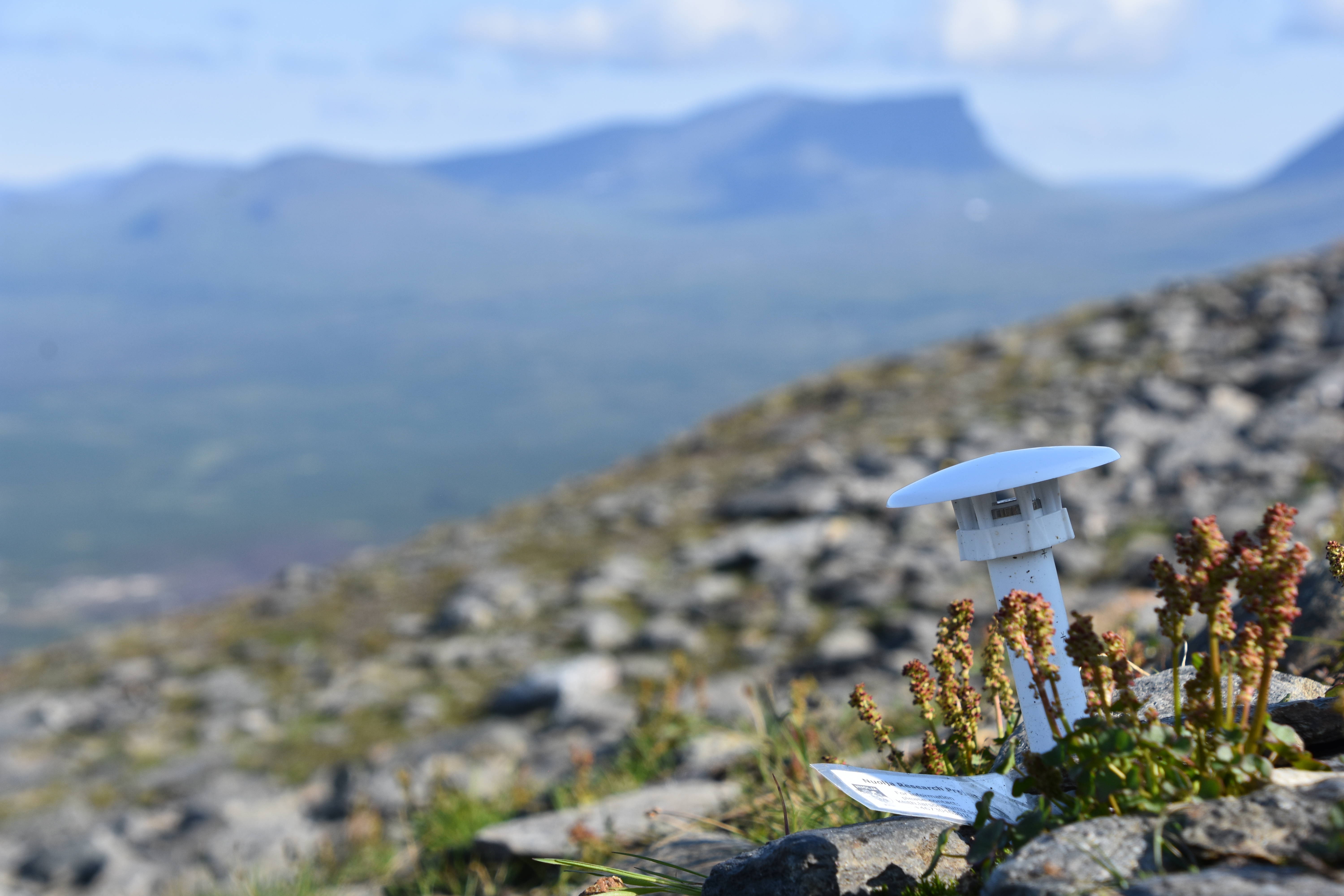
Label and soil temperature sensor attached
I’d drive to the top every day
Reflections
Rocks and clouds
Brave little birch
Brewing our camping poison
Basic camping stuff
Camping in Norway
Home-made temperature houses
Roadside research at its best
Norway is crazy
Horsetail is so funny
Little creek in magical forest
Birches, birches everywhere
Beautiful rock, a gift from the river
Another roadside fellow
Lichen
Ready to rock the summer
Collecting mosses
That’s a crazy old lichen
Tiny tiny piny trees, but old, so old!
Ready to jump into the fjord?
That’s a spiky stone!
Views on Norwegian fjords
Silene in the mountains
Cute little orchid
Skua
Attacking skua, mind your heads!
Watch out for the attack of the fierce skua!
Black snail
New plot!
Still a lot of snow to melt, but this spot was free for a new plot
Reindeer are better than people
Two seasons in one picture
Let’s see what is happening to the balance in mountains! Is this a starting avalanche, or will it last a bit longer?
Cute little hut
Climbing mountains by car
Softest moss in history
Drosera in the marsh
Hiking in no-man’s land
The clouds are coming
Abisko valley
‘Butterball’
Fieldwork in the tundra
Abisko valley
Little plot
Clouds and sun and mountains
Making soup on a campfire with a view
Little creek on high elevations
Skua on the look-out
Melting snow in a river
Rhodiola rosea and the Törnetrask lake
Beginning of spring
Flooded plots, melting snow, impassible wetness
Ferns and horsetails
Chile 2015
Lunch made by our local colleague, with funny bread (tasty as well!)
Trips to the field sites were sometimes a real adventure, especially right after snowmelt