
Back in 2019, we ventured into the field with a rather unusual mission: to search for the biodiversity that wasn’t there. At first glance, this might seem counterintuitive – after all, we’re accustomed to documenting what exists. Yet, by exploring what is absent, we uncover a narrative of loss and missed ecological opportunities.
The idea of measuring missing biodiversity originated in Estonia and is termed “dark diversity.” This concept doesn’t refer to the simple absence of all species – like the glaring lack of palm trees in a Flemish heathland – but rather to those species that could theoretically flourish in an environment, yet remain missing. In essence, dark diversity represents the shadow of potential life that hints at both historical losses and unrealized natural potential.
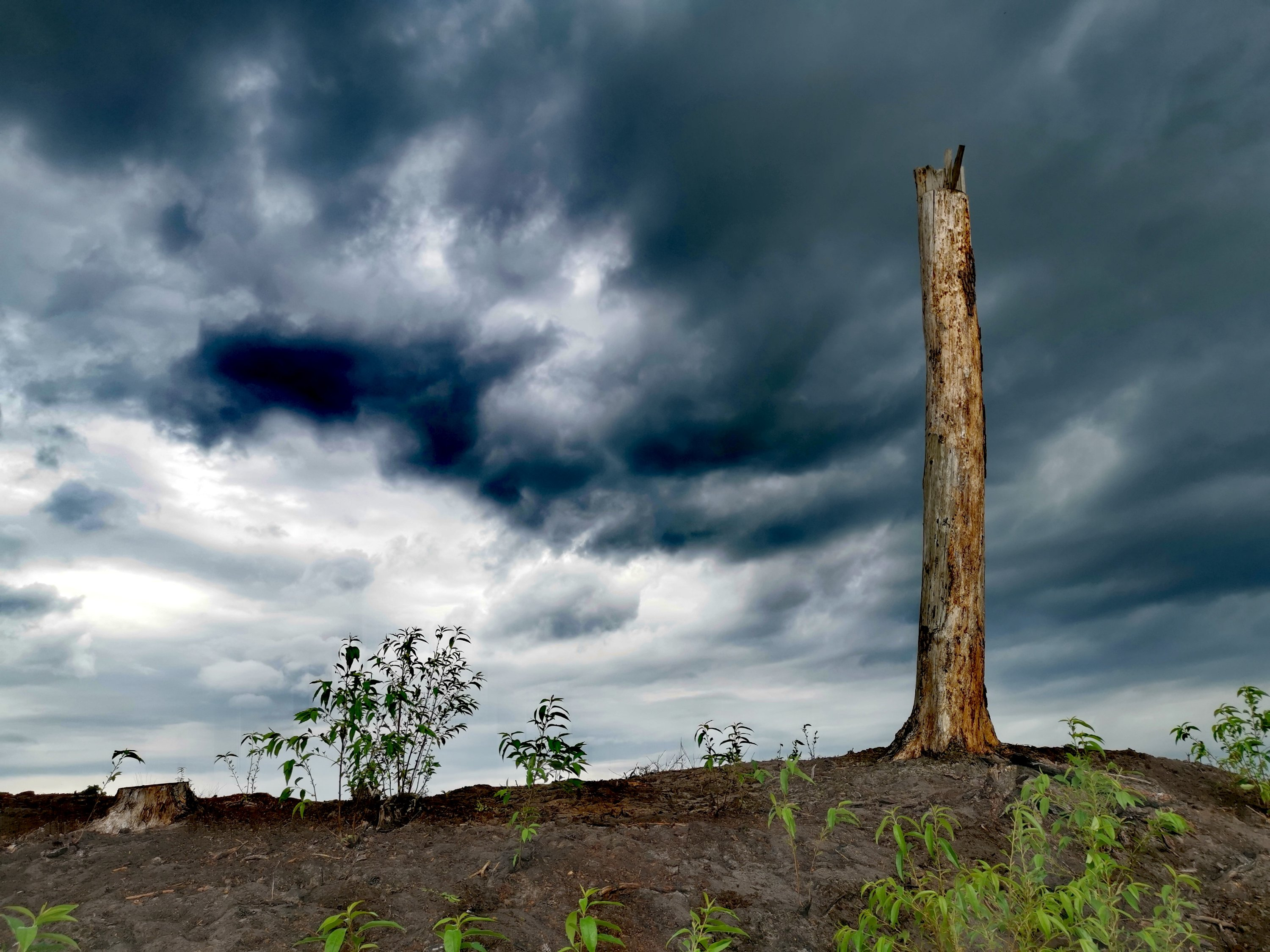
To delve deeper into this phenomenon, the Dark Diversity Network set out on a global journey. Using a unique survey design and specifically developed statistical methods, the network aimed to distinguish between species that should be present and those that are not. The culmination of this effort was the publication of a first large-scale paper in Nature, whose findings are as unsettling as they are revealing.
Now, drawing on data from over 200 scientists, the network spans nearly 5,500 sites across 119 regions worldwide. This extensive collaboration exposed the hidden toll of human activities on natural vegetation. In ecosystems with minimal human interference, more than one-third of the potentially suitable species are present, with the remainder missing largely due to natural constraints like limited dispersal. By contrast, in areas heavily impacted by human activity, only one in five suitable species is found.

Traditional biodiversity assessments – often based solely on the number of species recorded – failed to capture this nuanced decline. Such methods obscure the true impact of human disturbance by not accounting for the inherent potential of a given ecosystem. Instead, the study’s approach, which integrates the concept of dark diversity, reveals a far more comprehensive picture of ecosystem health.
Central to this research was the use of the Human Footprint Index, a composite metric that evaluates human population density, land-use changes (including urban development and agriculture), and infrastructure elements like roads and railways. The study demonstrated that as the Human Footprint Index increases, plant diversity diminishes—not only within the immediate vicinity but also across surrounding regions, sometimes extending hundreds of kilometres away.

These findings are alarming, as they reveal that human disturbances extend well beyond urban centers -even infiltrating protected nature reserves. Pollution, logging, littering, trampling, and human-induced fires can drive plants from their native habitats and hinder natural recolonization. Notably, the adverse effects of human activity were less severe when at least one-third of the surrounding landscape remained pristine – a threshold that reinforces the global objective to safeguard 30% of our land.
This study underscores the importance of nurturing ecosystem health at a landscape level, not just within the confines of nature reserves. It’s clear that large-scale environmental dynamics significantly shape local biodiversity. This fits in neatly with the MicroFracNet we recently launched, an initiative dedicated to exploring biodiversity patterns across scales and deciphering how various drivers determine species presence or absence. We warmly welcome anyone interested in joining this exciting project!

Reference: Partel et al. (2025). Global impoverishment of natural vegetation revealed by dark diversity. Nature. https://www.nature.com/articles/s41586-025-08814-5.


 The 3D lab