I’m starting something new and I’m SUPER excited: a new project that perfectly aligns with my new role as an assistant professor in ecological scaling—and builds naturally on the work I’ve been doing so far: the Dutch branch of EcoFracNet!
EcoFracNet is a global biodiversity monitoring network with a unique, standardized “fractal” design. This setup involves systematically spaced plots at various scales, making it an ideal way to investigate the scale at which biodiversity changes—right in line with my research interests.
In this Dutch edition, we’ll be applying EcoFracNet’s design across a wide range of iconic habitats, from forests, grasslands, heathlands, and dunes to bogs, agricultural fields, and even gardens. Our goal is to examine just how diverse these habitats are and to identify the scales at which biodiversity patterns emerge within them. We’ll then compare these patterns to global data, exploring how factors like topography, microclimate, soil conditions, and human land use drive biodiversity at multiple scales.
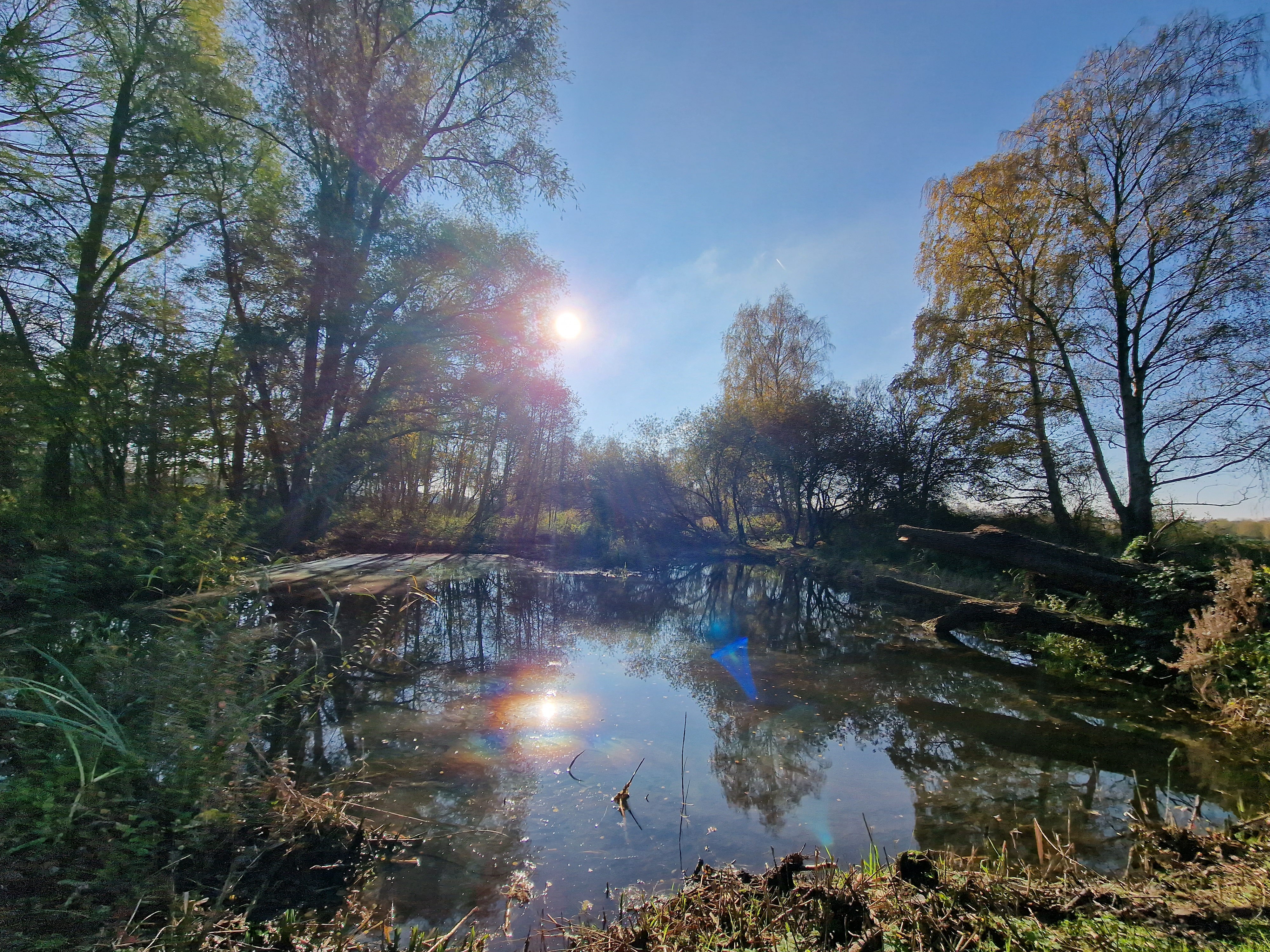
We officially launched the project this week at our first field site, conveniently located at Utrecht Science Park. This location is especially fitting, as it doubles as a training ground for ecology students at Utrecht University. The project framework will give students hands-on experience and support them in developing their own research questions.
This isn’t a short-term endeavor, either—we’re in it for the long haul. By committing to long-term monitoring, we’ll capture not only spatial diversity but also changes over time, allowing us to quantify year-to-year variation and track the long-term effects of management practices and global change.
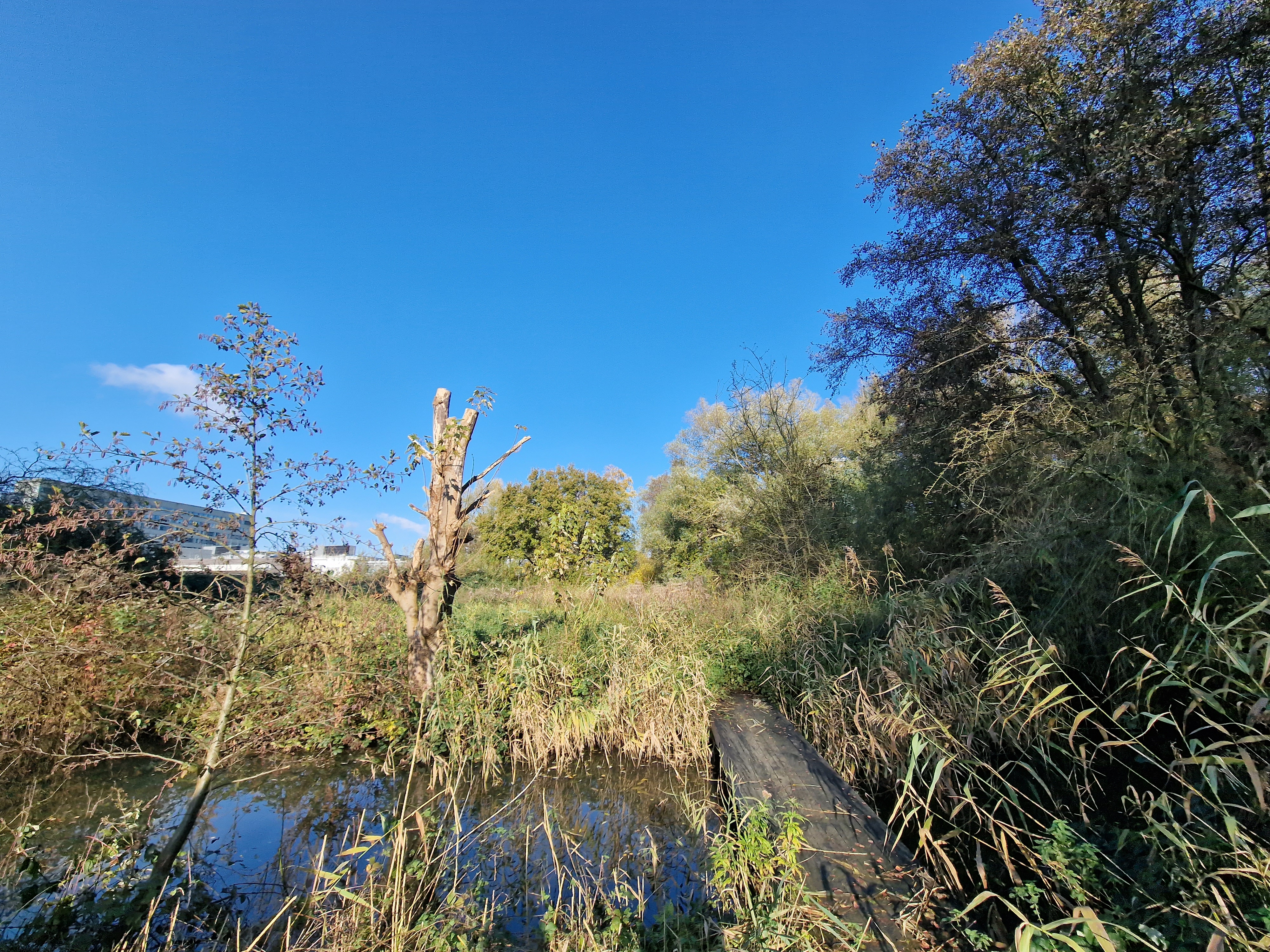
Interested? I bet you are! Get in touch and we’ll talk about it!


 The 3D lab
Congratulations on your new project.