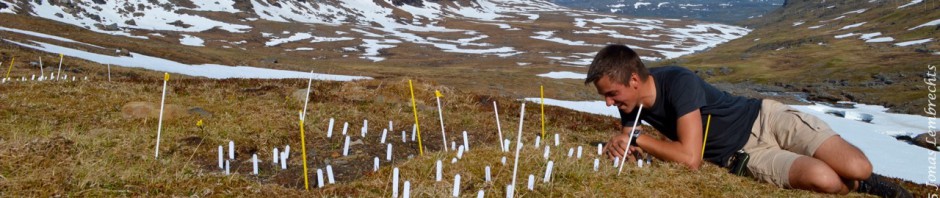
With MEB2024 just around the corner, it’s the perfect moment to shine a light on a hidden gem that holds a special place in my heart.
But first, what exactly is MEB2024? The second ‘Microclimate Ecology & Biogeography’ conference is the fulfillment of one of our founding dreams at the SoilTemp network: to create a global community of microclimate researchers, all learning from each other. The inaugural conference in 2022 brought over a hundred brilliant minds to Antwerp, Belgium. Now, as we prepare for the second edition in Helsinki, with a similarly strong turnout, this conference has already established itself as a cornerstone event in our field – if I may say so myself.

For those who joined us at MEB2022 in Antwerp, you’ll surely agree that it was a week brimming with excitement and groundbreaking ideas for the future of microclimate science. It felt like we were on the brink of something transformative—a pivotal moment in the global rise of microclimate ecology and biogeography.
Inspired by that vibrant atmosphere, we decided to capture the essence of the conference in writing. That’s how the idea for a keystone paper on microclimate was born. But we didn’t stop there; we took a perhaps slightly unconventional approach: inviting every single conference participant to co-author the piece. It might sound crazy—writing a perspective paper with over a hundred authors—but it felt as the right thing to do. The concept was undeniably born from the collective energy of the conference, and the ideas we aimed to distill into the paper were shaped by the presentations, conversations, and debates we shared over coffee and lunch with all participants. It was simply not possible to draw a line!

This ambitious project was guided by the incredible Julia Kemppinen, whose leadership turned our vision into reality. Her expertise ensured that, while – of course – not everyone could contribute equally, many if not most co-authors played significant roles in shaping the manuscript, making each contributor feel that their input was valuable.
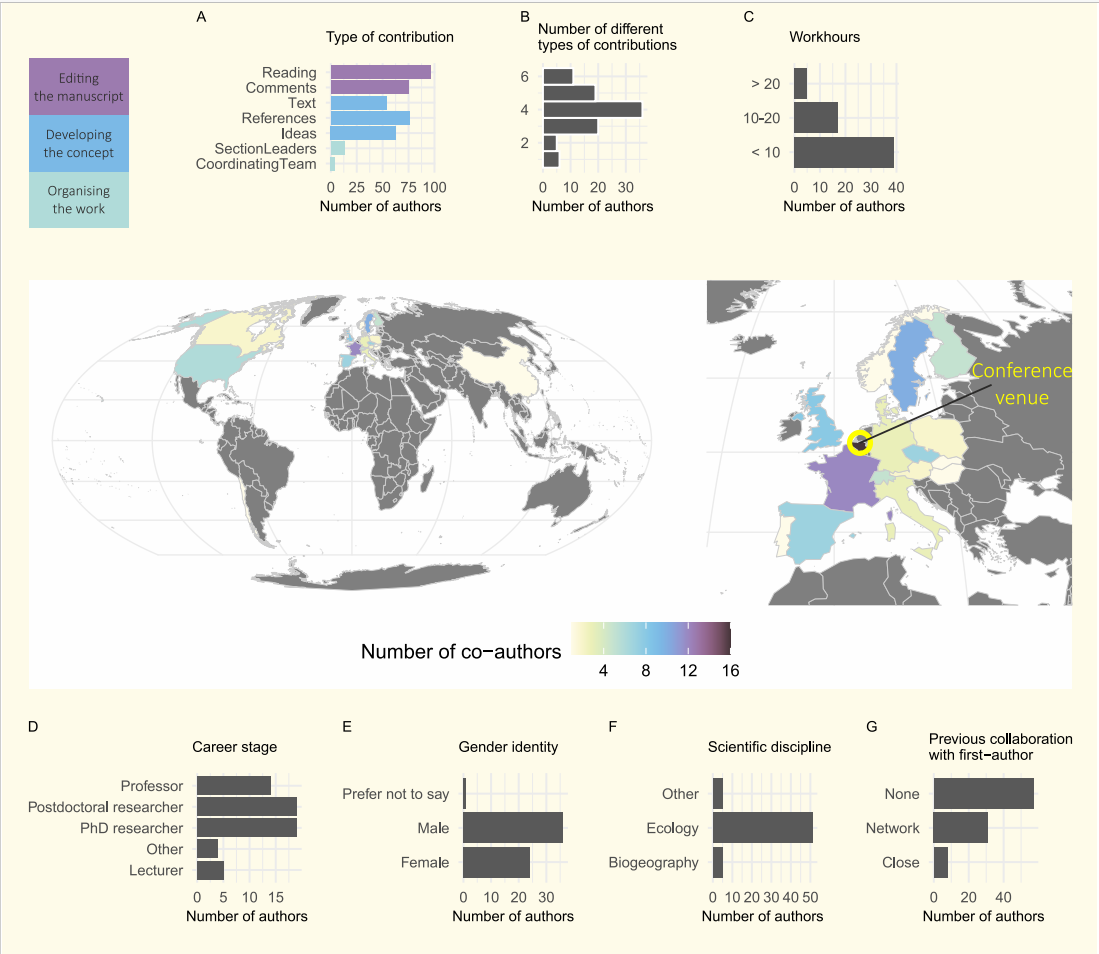
Beyond its importance to the field of microclimate research, this collaborative effort stands as a testament to what can be achieved when a community comes together. Because this process was so rewarding, we wanted to share our experience as a model for others embarking on collaborative (perspective) papers. That’s why we detailed our workflow in the supplementary material—a hidden gem for those curious about our approach. These supplementary figures offer a glimpse into the collaborative journey that brought our paper to life.

So, as you dive into your next collaborative project, let our experience be your guide and inspiration!




 The 3D lab