In a region like Flanders – dense, busy, and full of human activities of all shapes and sizes – the problem of noise pollution is increasingly recognized. We often think of that noise as something we can measure in decibels. But what if we’ve been asking the wrong question all along? Its impact on our health and well-being might actually have less to do with how much sound there is, and much more with what we hear.
That’s where the concept of the soundscape comes in: the landscape of sounds that surrounds us. It’s not just about volume. It’s about character, texture, and context. And so we wondered – what makes a soundscape feel peaceful? What makes it feel overwhelming? Instead of guessing, we asked the people themselves.
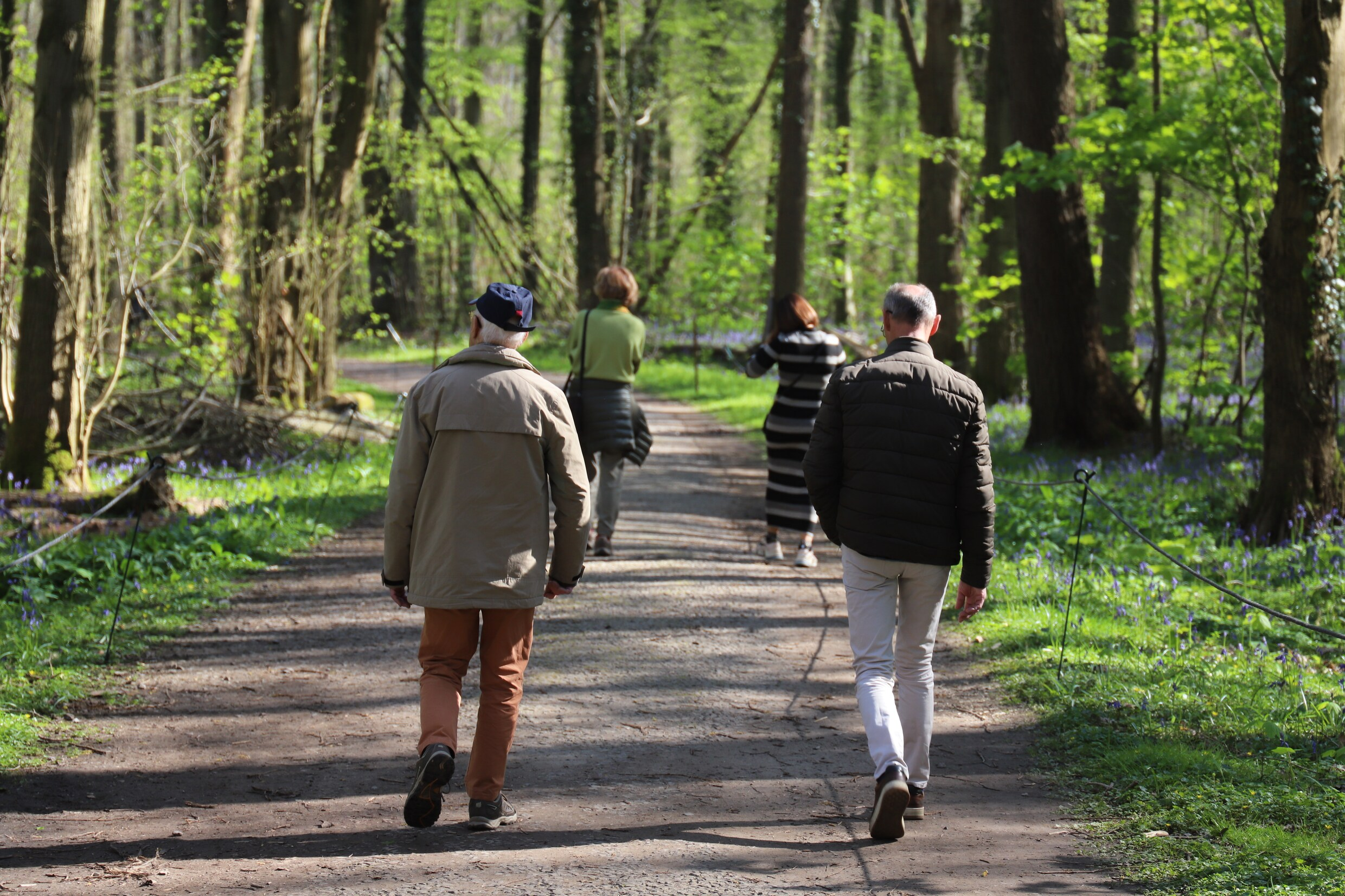
At the start of De Oorzaak, our citizen science project on environmental noise, we launched a simple yet remarkably powerful questionnaire. We had the idea to invite people to step outside, take a little walk, listen carefully, and tell us what they heard and how that made them feel. It was a modest little survey, but the response was anything but: 4,465 people from across Flanders joined in, giving us a rich tapestry of sound experiences from all across the region.
And their answers spoke volumes.
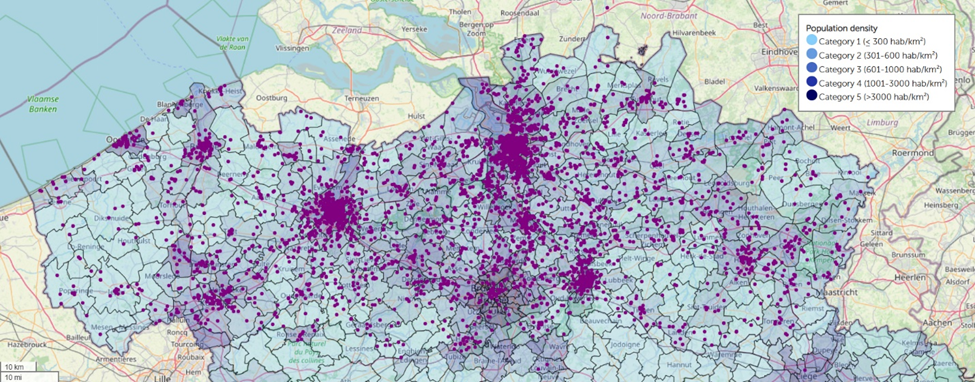
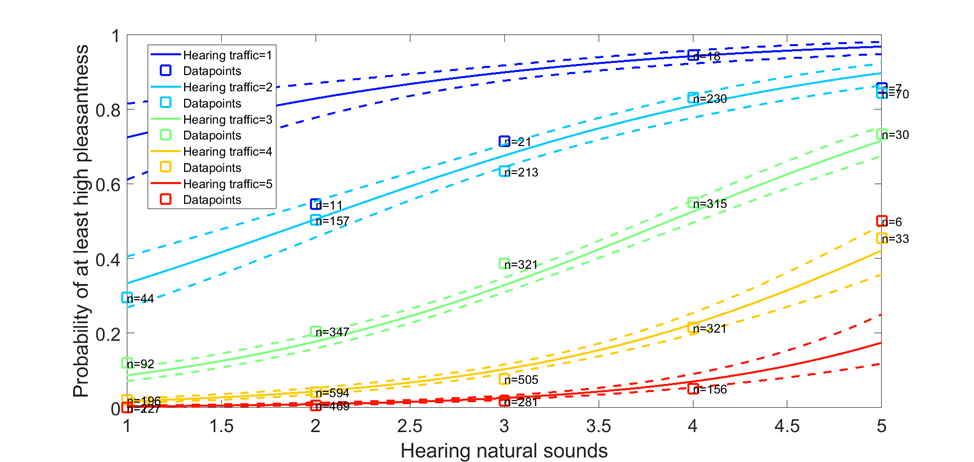
In a new paper just published in Science of the Total Environment, led by Timothy Van Renterghem from UGhent, we present a first glimpse into that highly interesting dataset. What we looked at was the overwhelmingly strong role of natural sounds on the quality of the soundscape. And this was truly ‘make or break’: natural sounds — like birdsong, rustling leaves, or the whisper of the wind — significantly improved the quality of the soundscape. Even when traffic noise was present, hearing natural sounds alongside it made the experience notably more pleasant for our respondents.

In the questionnaire, we deliberately left the definition of “natural sound” open to interpretation. And people responded with familiar favorites: birds, wind, trees. An earlier master thesis already showed that birds come first. If those aren’t there — for example in a highly urbanized area — the sound of wind takes over that soothing role. These aren’t just pleasant to hear — earlier studies have shown they reduce stress, improve mood, and enhance focus.
So, natural sounds aren’t just nice — they’re essential. They make life in noisy environments more livable and can help mask the negative effects of anthropogenic noises.
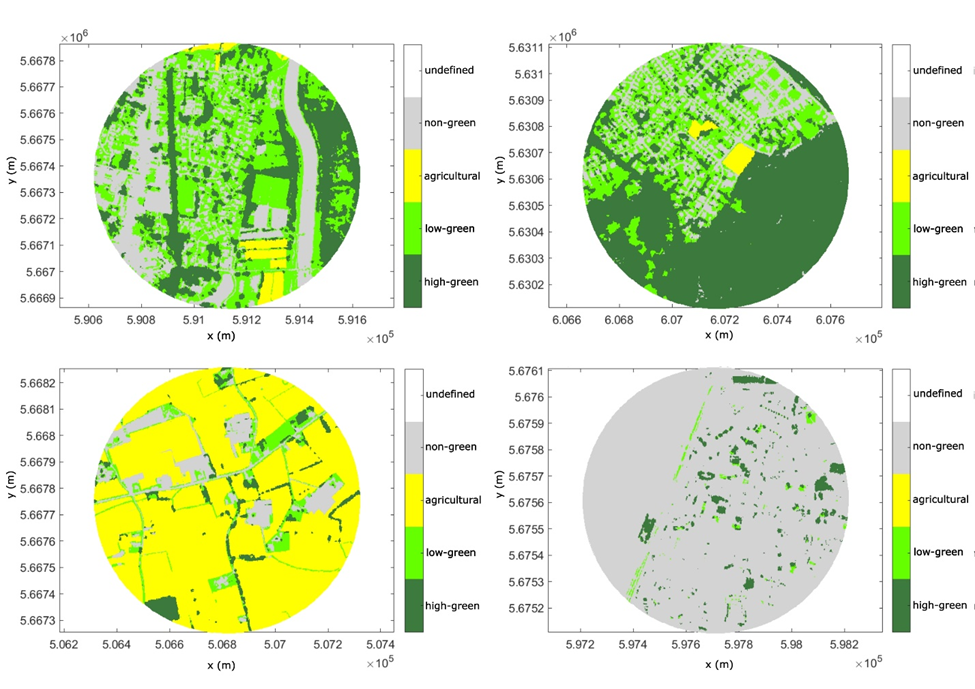
Interestingly, we also found that it’s not just the trees or green space right next to you that matter. Green infrastructure within a 500-meter radius — including farmland and more distant vegetation — played a stronger role than greenery within just 125 meters. This suggests that it helps to have a ‘reservoir’ of natural sounds nearby. Birdsong, for example, travels far and shapes the sonic backdrop in a large area.
What surprised me most, though, was how consistent these finding were. Whether someone was in the city or the countryside, as soon as they reported hearing natural sounds, they also rated their environment as calmer, more enjoyable, and less disturbing. As such, our study adds important weight to the proven importance of nature to act as a mitigator of the negative impacts of sound. And this, the ecologist in me might say rather smugly, adds yet another critical ecosystem service to the long list of things that nature does for us, within and around our cities.
And that, it turns out, really matters.
Reference:
Van Renterghem et al. (2025) Effectively hearing natural sounds is a robust contributor to positive outdoor sound perception in the everyday living environment. STOTEN
https://www.sciencedirect.com/science/article/abs/pii/S0048969725014500





 The 3D lab
Interessant en hoopgevend!!