
It has become the go-to technique for many ecologists who need a cheap and simple method to measure decomposition rates in the soil: burying tea bags. However, it is still rather mindboggling that the team behind the international Tea Bag Index collected data from 36.000 (!) of these cups of soil tea from across the globe. The key conclusions from this monitoring project with perhaps one of the more unusual sources of data in ecology (although clearly rivaled by ‘operation underpants’, where underwear is used for the same purpose) now got published in Ecology Letters. As contributor of my own set of these brews to the mix, I happily took part in this endeavor.

Burying tea bags is appealing for two reasons: you know the litter type, and you know the exact quantity of it. Standardizing both across all of the worlds’ soils can provide a unique insight in differences in the rate of decomposition across these soils. Indeed, for a fair comparison of litter decomposition, one needs to standardize the type and quantity of buried plant material. The choice of Lipton tea bags, consistent in plant species and weight worldwide, resolved this methodological challenge.
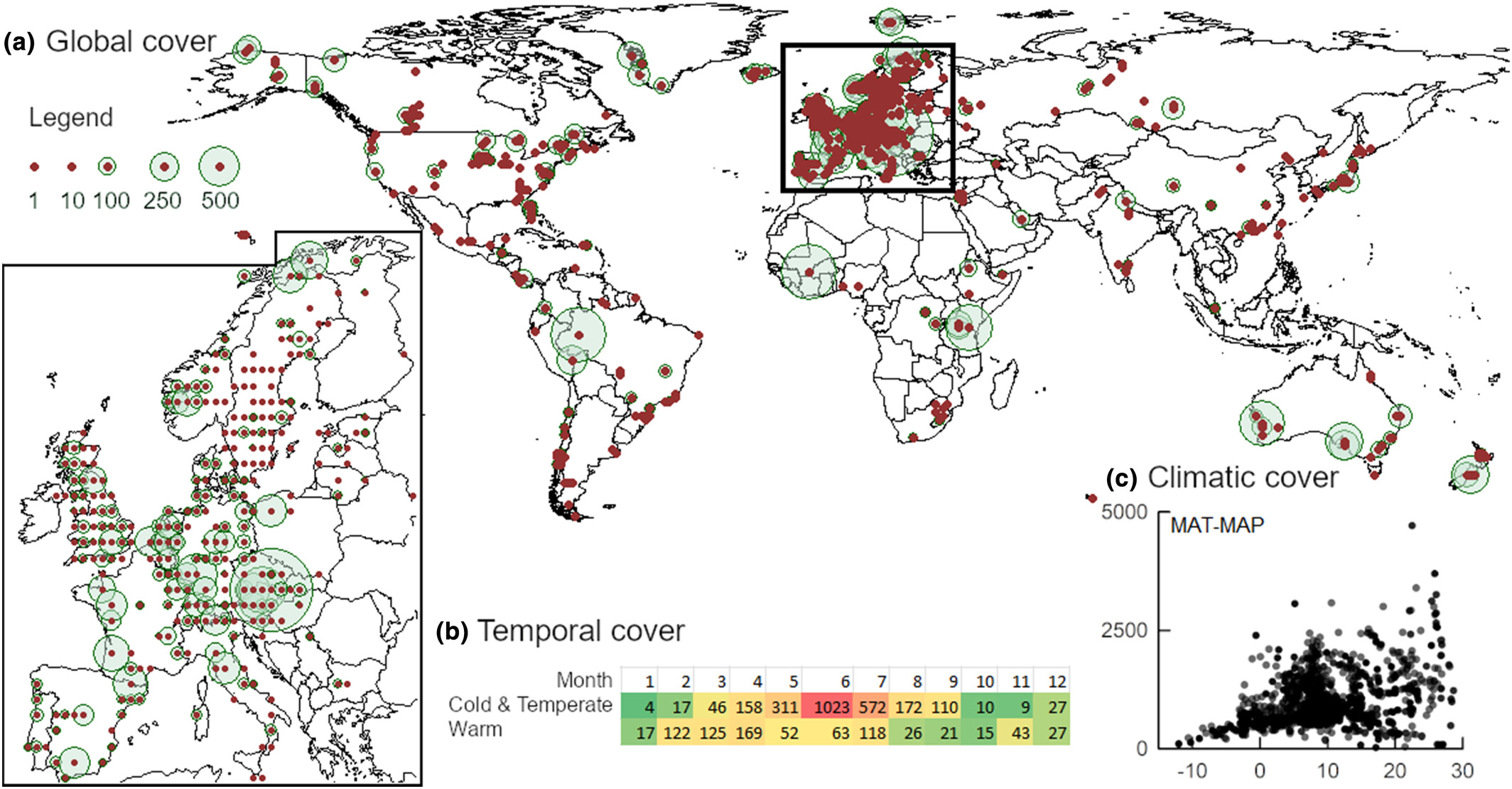
The study participants buried both the very leafy green tea and the more recalcitrant rooibos tea. After a predetermined time, the partially decomposed tea bags were excavated and weighed to ascertain weight loss. Subsequent analyses aimed to disentangle the influence of climate variations and anthropogenic land use on both decomposition rates and the extent of material breakdown (and thus the resulting stabilization of the remaining material).
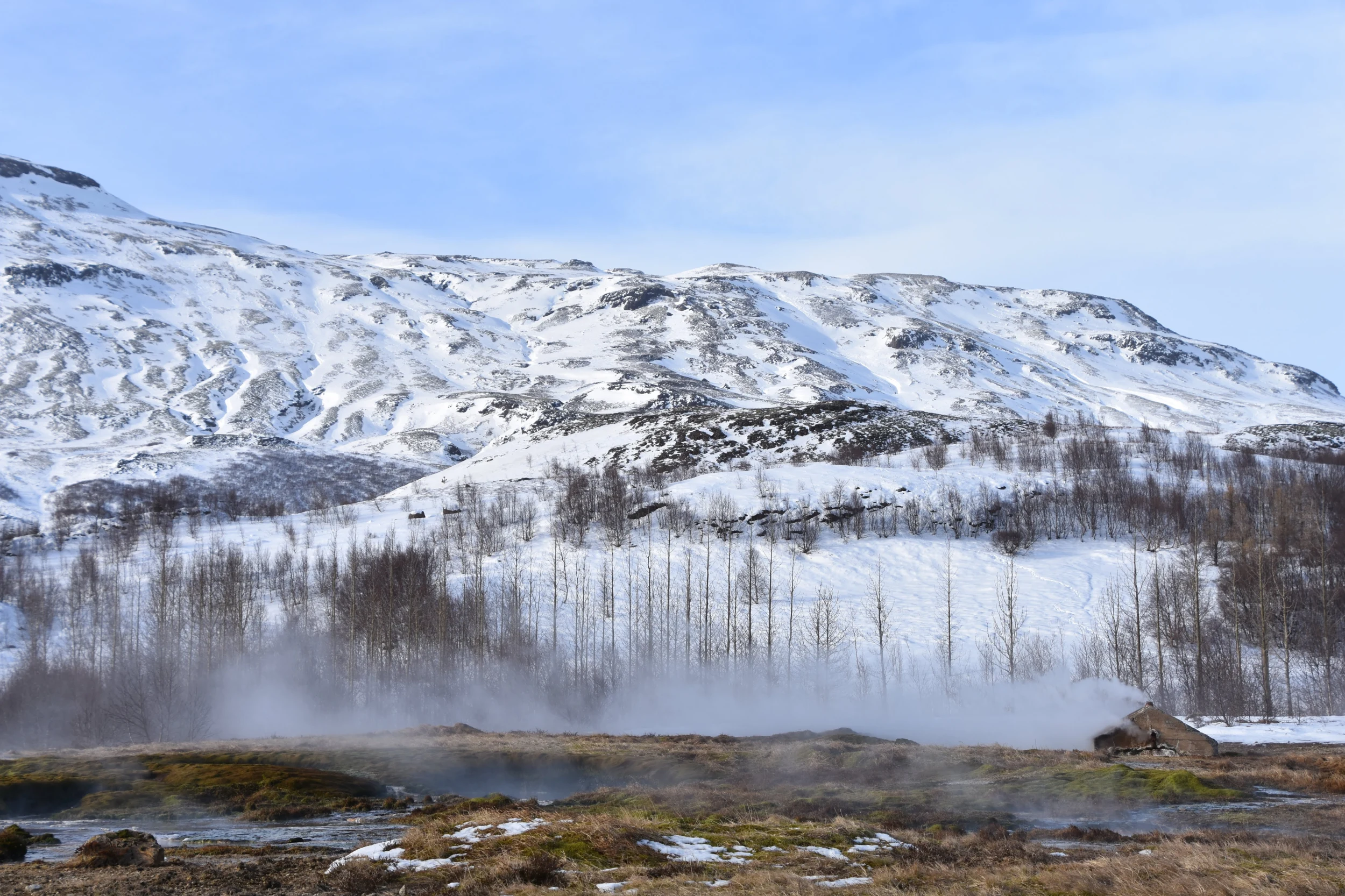
One would hypothesize that the initial rate of decomposition and the amount of mass loss correlate pretty well at a global scale. Using our thousands of tea bags, we found this to be true, indeed, yet with some intriguing nuances, particularly in cold regions, where decomposition dynamics defied conventional expectations.
Indeed, especially in cold regions, we often observed initially relatively quick breakdown of a portion of organic material, yet high remaining mass loss. This mismatch between loss rate and stabilisation is important, and could for example result from different drivers of two main competing pathways responsible for said mass loss: simple leaching of soluble components into the soil, versus breakdown by soil microbes. While the latter is rather sluggish in cold environments, the former can still result in rapid mass loss. While our correlational study cannot be conclusive regarding the exact driver at play – and we discuss some alternative hypotheses in the text – these findings do underscore the intricate region-specific complexities of these biogeochemical processes.

In conclusion, our study sheds light on the intricate relationship between climatic factors and litter decomposition rates, emphasizing their vital role in ecosystem carbon cycling, particularly in the face of climate change. By uncovering context-dependent effects, we highlight the need for nuanced approaches in global carbon modeling. Our findings underscore the significance of empirical data in refining our understanding of these complex dynamics and in improving the accuracy of carbon models.


 The 3D lab