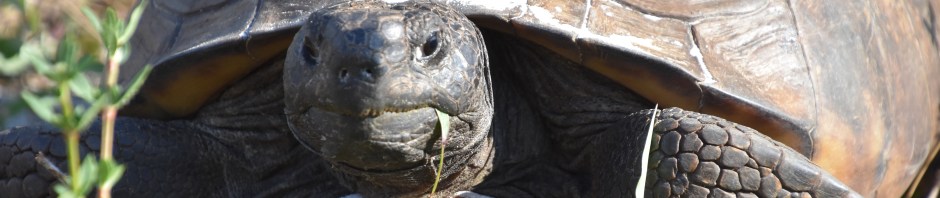
‘Species On The Move’: It’s a conference name with a ring to it. Its goal is to bring together scientists and conservationists around the topic of the impact of climate change on species distributions. This third edition was held in a fancy Floridian hotel bordering the Gulf of Mexico, and the topic felt more pressing than ever.

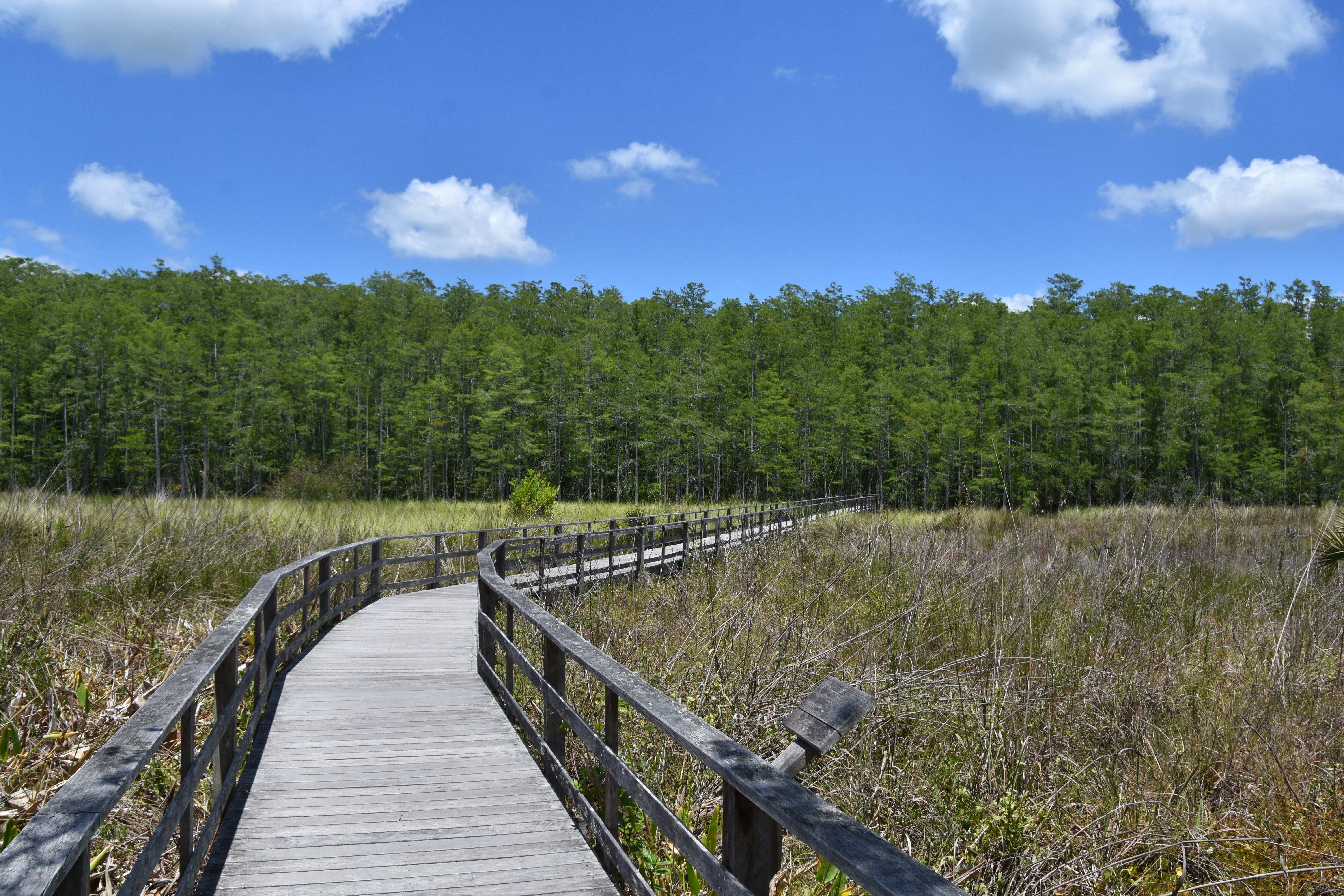
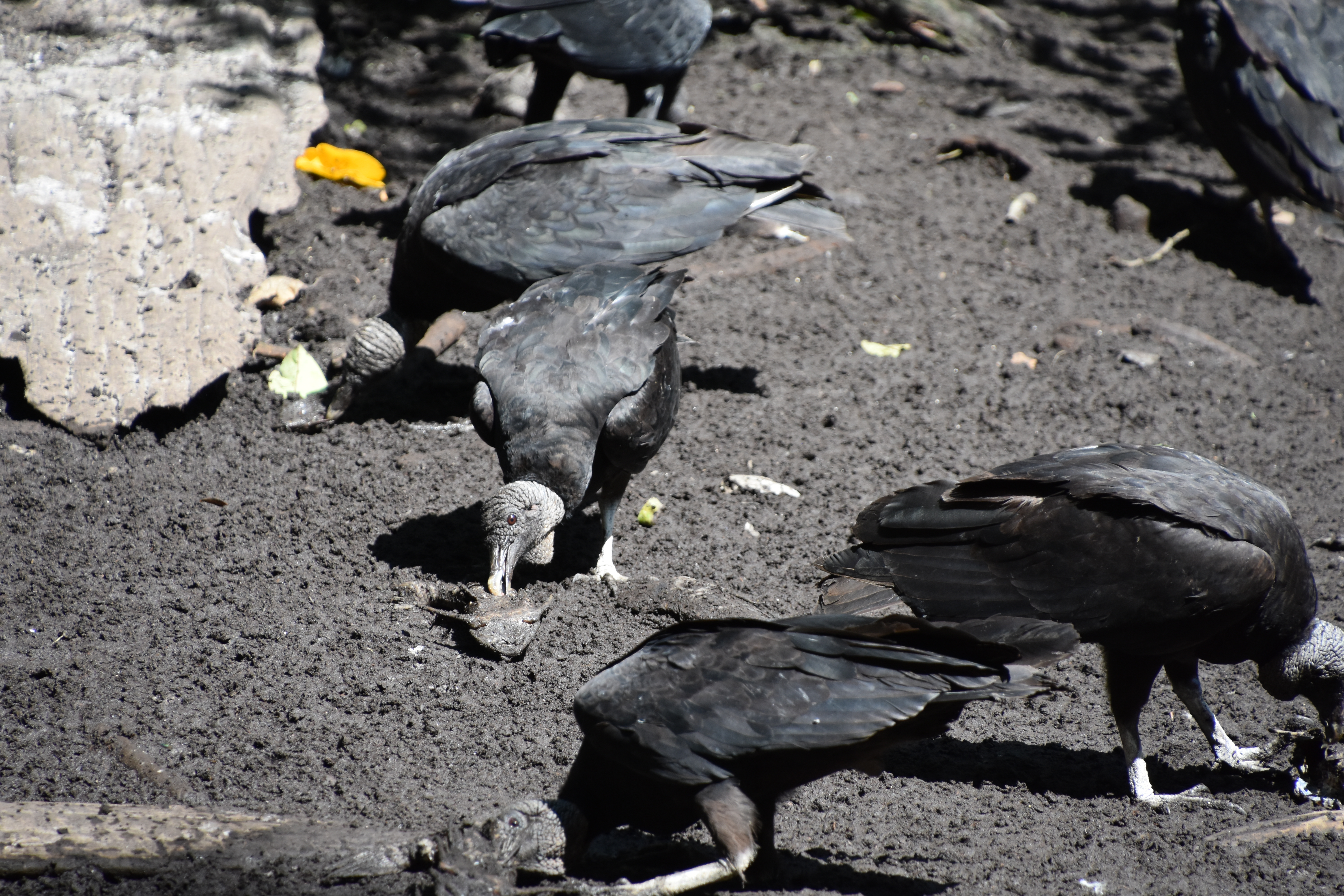
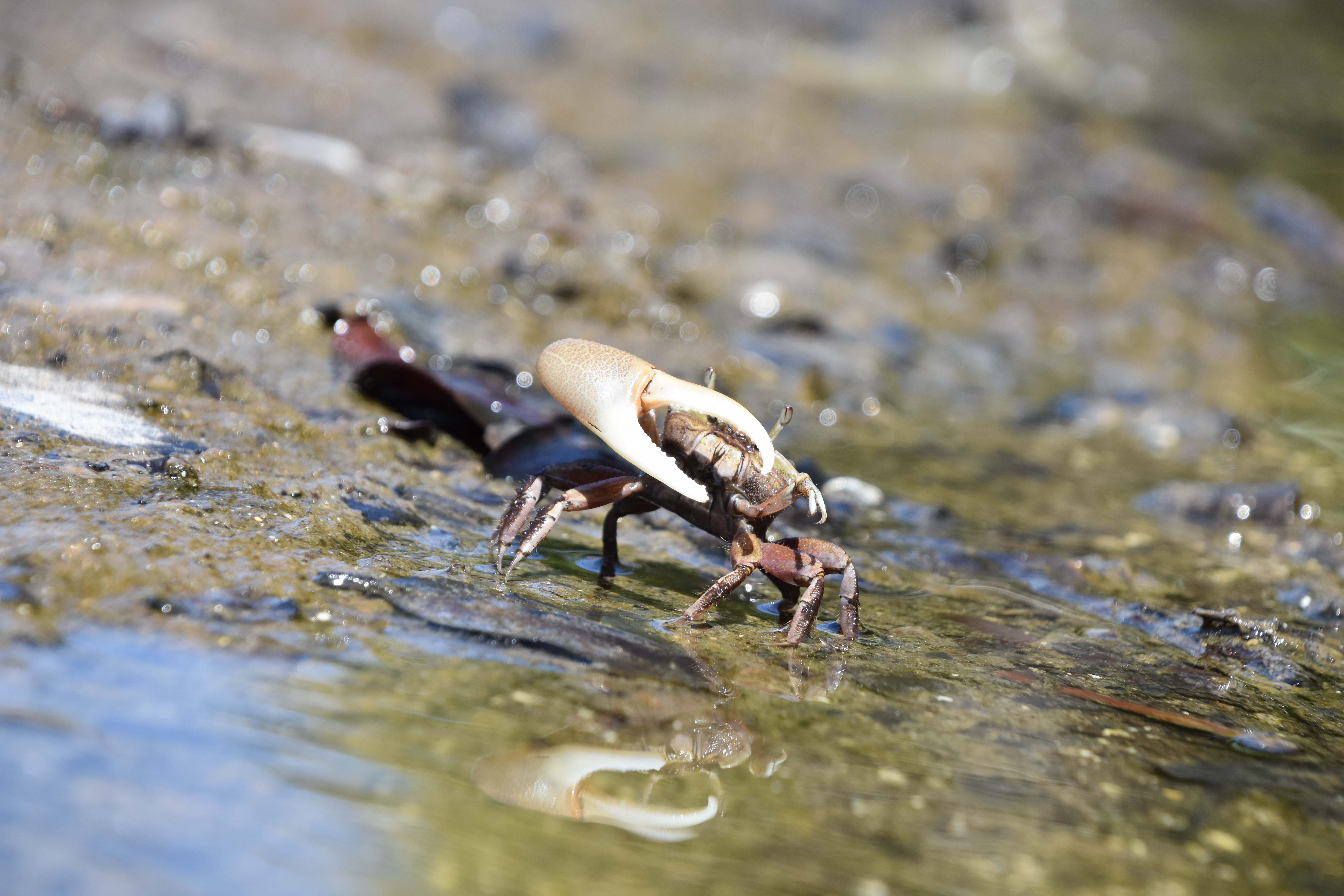
For one, the surrounding area in Southwest Florida excellently highlighted some of the main messages of the meeting. Florida is a state packed with wildlife and rare plants but is also a state with an astoundingly rapid expansion of human settlements, with little to no regard for the idea that land may have its limits. As a result, there were turtles in the parking lots, crabs on the road, and manatees in the marina, but also all water drained from the protected marshland surrounded by rapidly expanding human settlements.

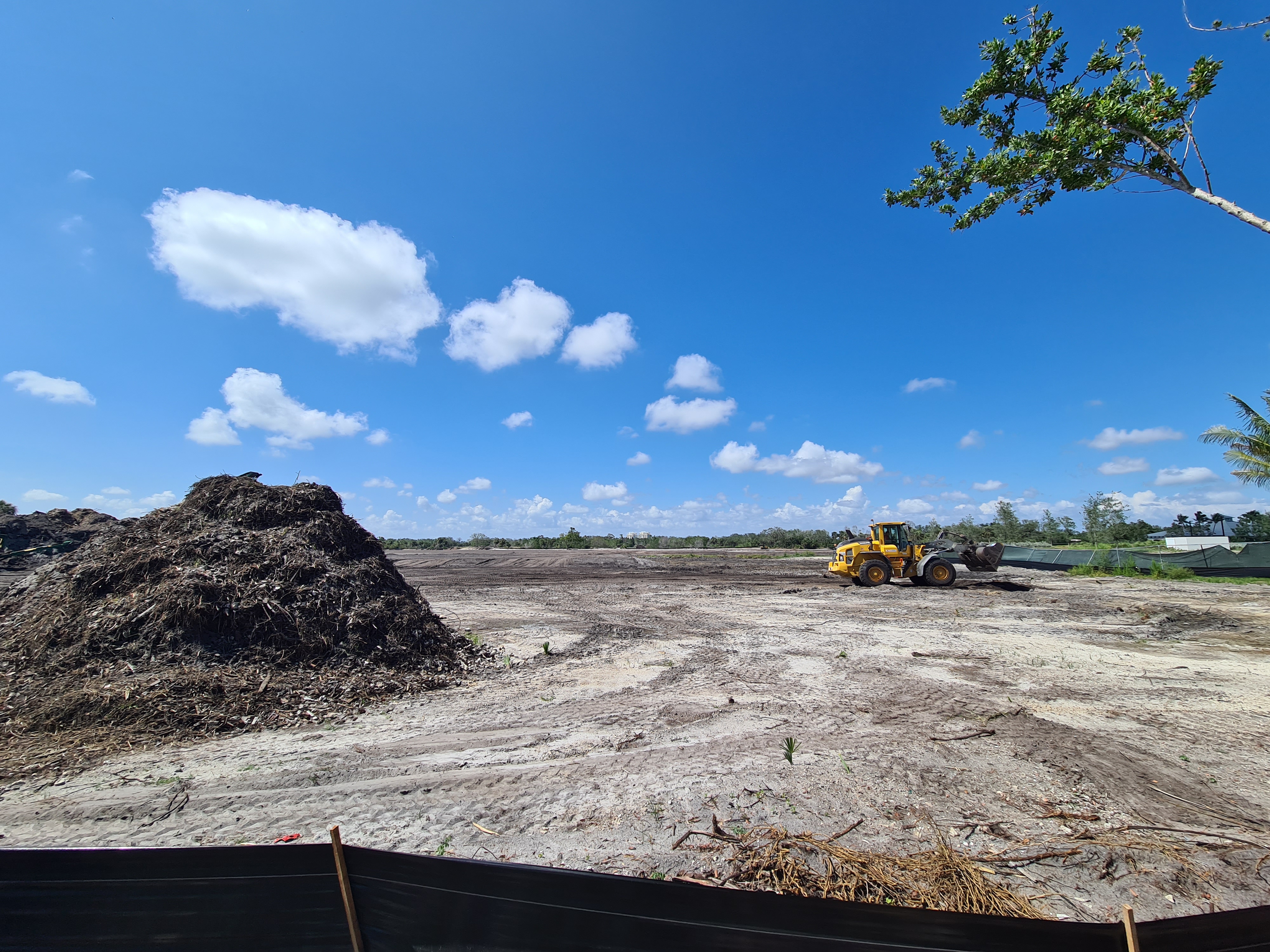
These obvious human-nature conflicts reminded me of one of the recurring topics of the conference: most of the time, species are NOT moving as predicted based on climate change, and one of the many reasons is that they simply CAN’T. They lack the natural corridors to reach areas with ideal (micro)climatic conditions, as they are locked on tiny islands of nature in an anthropogenic ocean. This issue of connectivity has only recently been revisited in the research on species redistribution (although the problem of connectivity itself is, of course, widely known), as until now we simply lacked the data to test this thoroughly. Together with the whole story of why species are not moving as they ‘should’, a topic that we urgently need to keep working on as a field.

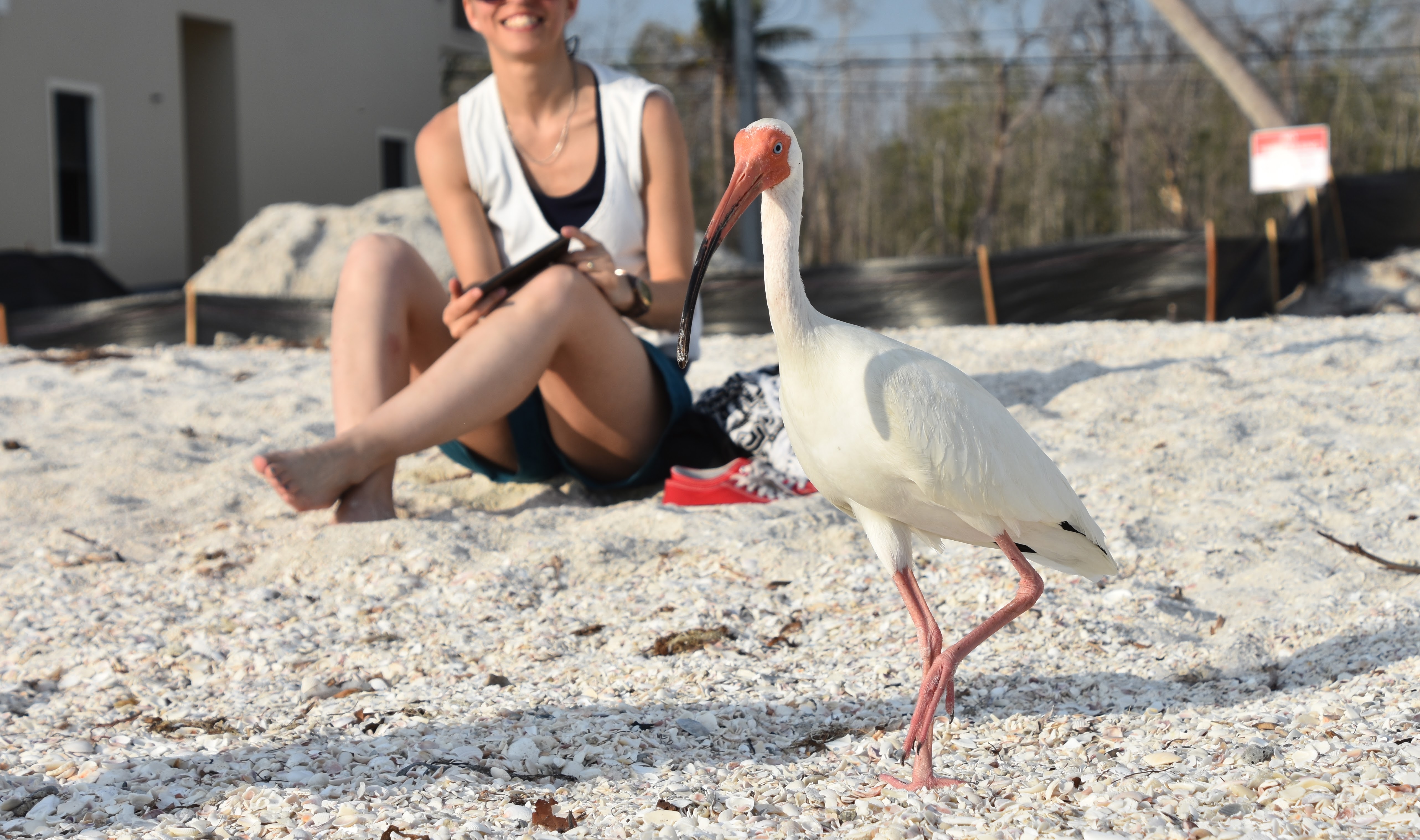
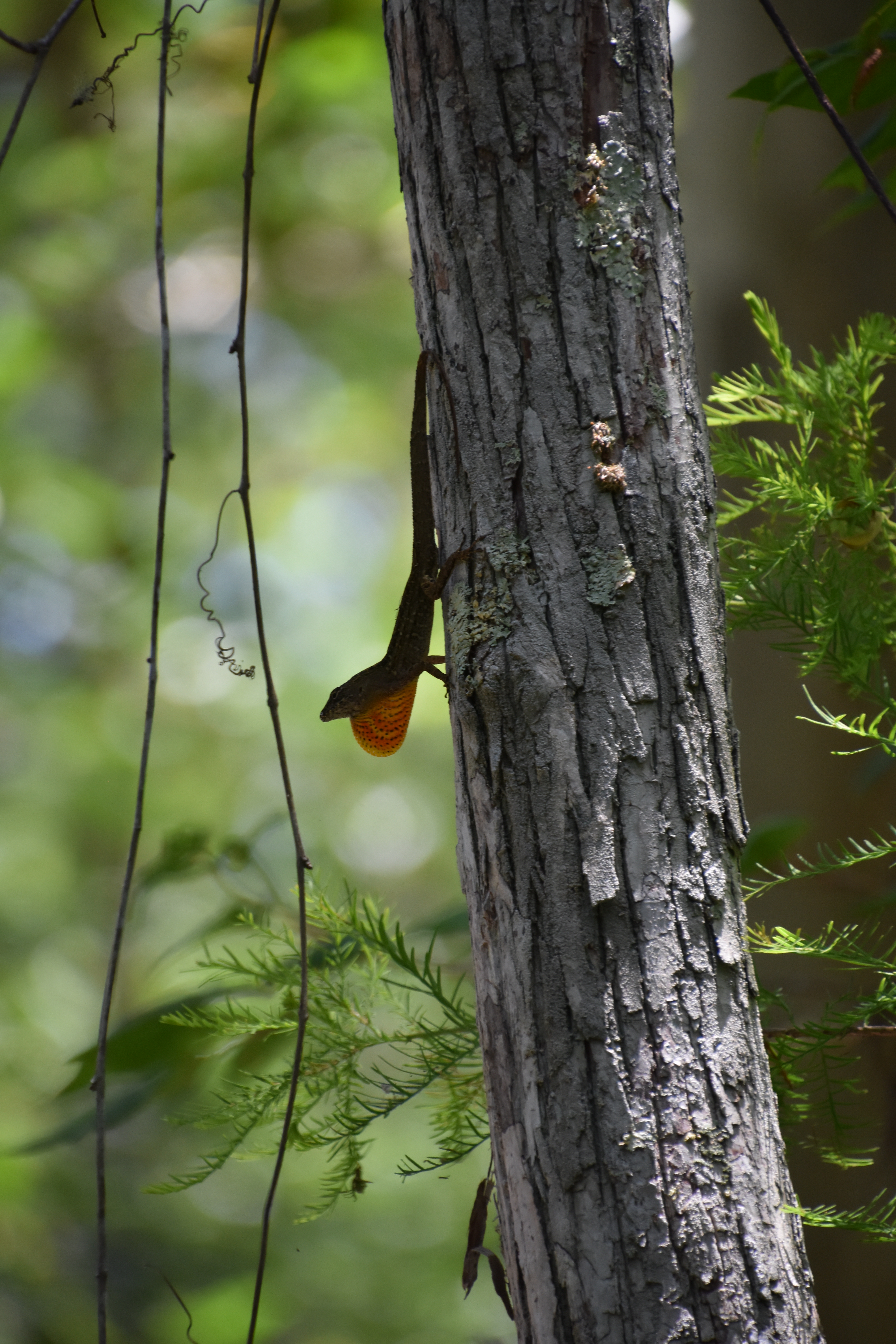
A second way in which Florida screams ‘moving species’ at you is through its vast collection of non-native species. I saw a bunch of lizards (and each of them got me excited all over again), but it turned out that many – if not most – were not native to the region. The spread of non-native species is a topic that has obviously been widely discussed in the literature already but, it turns out, largely separated from the ‘species on the move’ literature. There were indeed very few invasion ecologists at the conference, despite the strong overlap in interests! Taking a look at the lessons learned in invasion ecology and how they do and do not apply to the new situation at hand for climate-driven species redistributions would also help us substantially move forward!
This is just a glimpse of the many important issues that came to light at the conference. Luckily, there was an atmosphere of creative enthusiasm, and I felt like we collectively made six months of progress in a span of mere days. I am confident you will hear more about our achievements in Florida in the near future. And that’s crucial, as species movement is only just gathering speed!




 The 3D lab
I am bothered by the building going on where I live. The desert animals are losing their wild space and we are seeing more of them in our neighborhoods. Makes me sad 😢 We have lived in our house for over 25 years. Oh my, what changes have occurred.
Thanks for your comment! I was imagining similar feelings of ‘ecological grief’ for those living their whole lives in Florida, seeing so much of that nature disappear!
I watched a beautiful show on National Geographic last night about Biscayne National Park. Unbelievable!!! So glad they are preserving it, but sad for what has been lost.