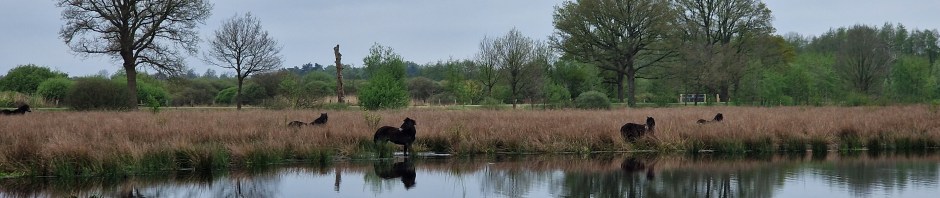
Far in the north of the Netherlands, on the border of Friesland and Drenthe, lies an endless sea of moor-grass, heather, and rushes – spread out across one of the last active raised bogs in the country: the Fochteloerveen.
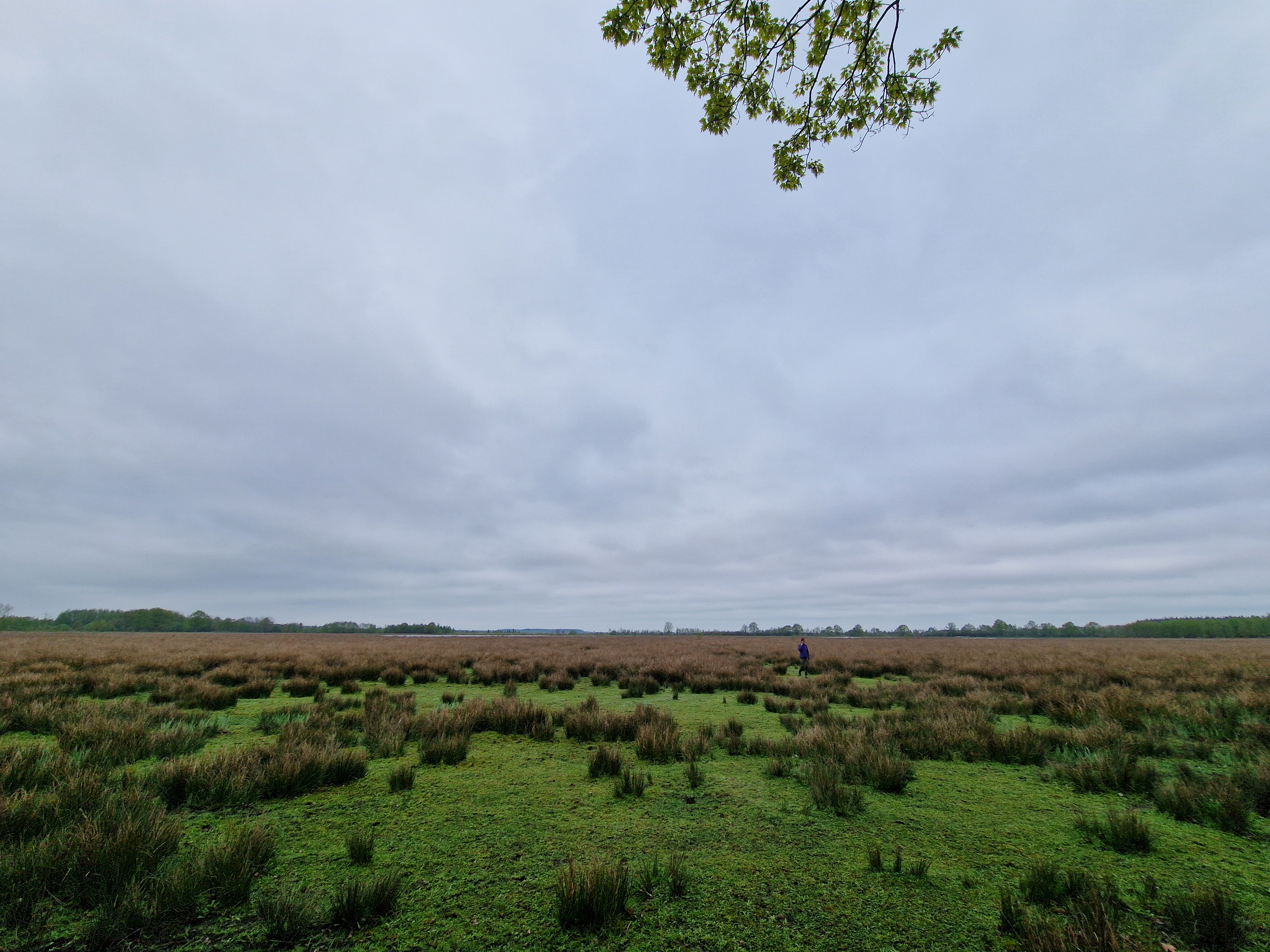
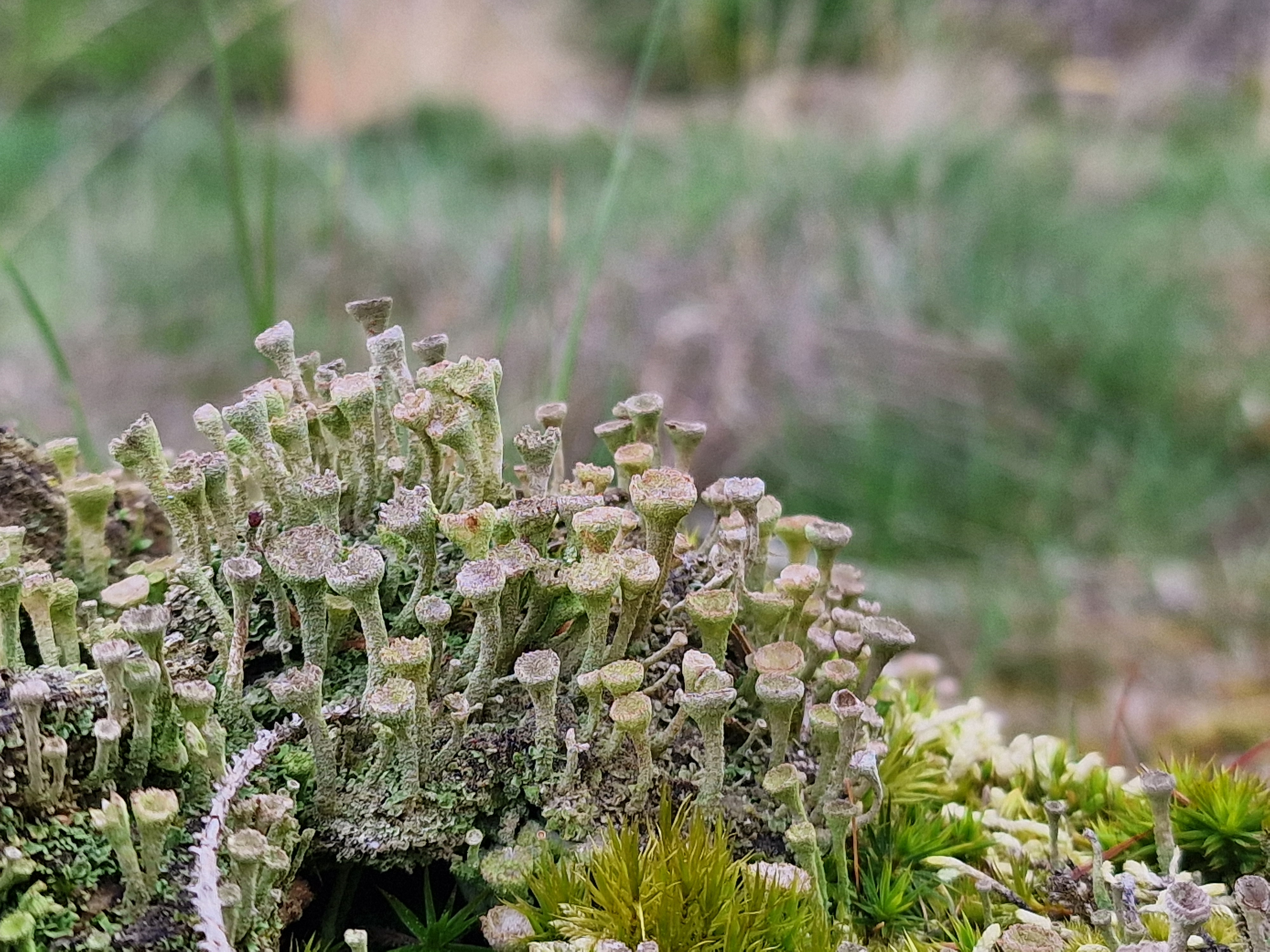
A raised bog is something truly special. Formed over thousands of years, it’s a living landscape built entirely from rainwater and sphagnum moss. Layer by layer, the mosses grow, die, and decay, creating a domed blanket of peat that rises above the surrounding land. These bogs are wet, acidic, and nutrient-poor, yet support a unique and fragile web of life. Carnivorous sundews, rare dragonflies, and strange fungi find their niche here. And underneath it all, the peat holds centuries of carbon, making these bogs some of the most effective natural carbon stores on Earth.
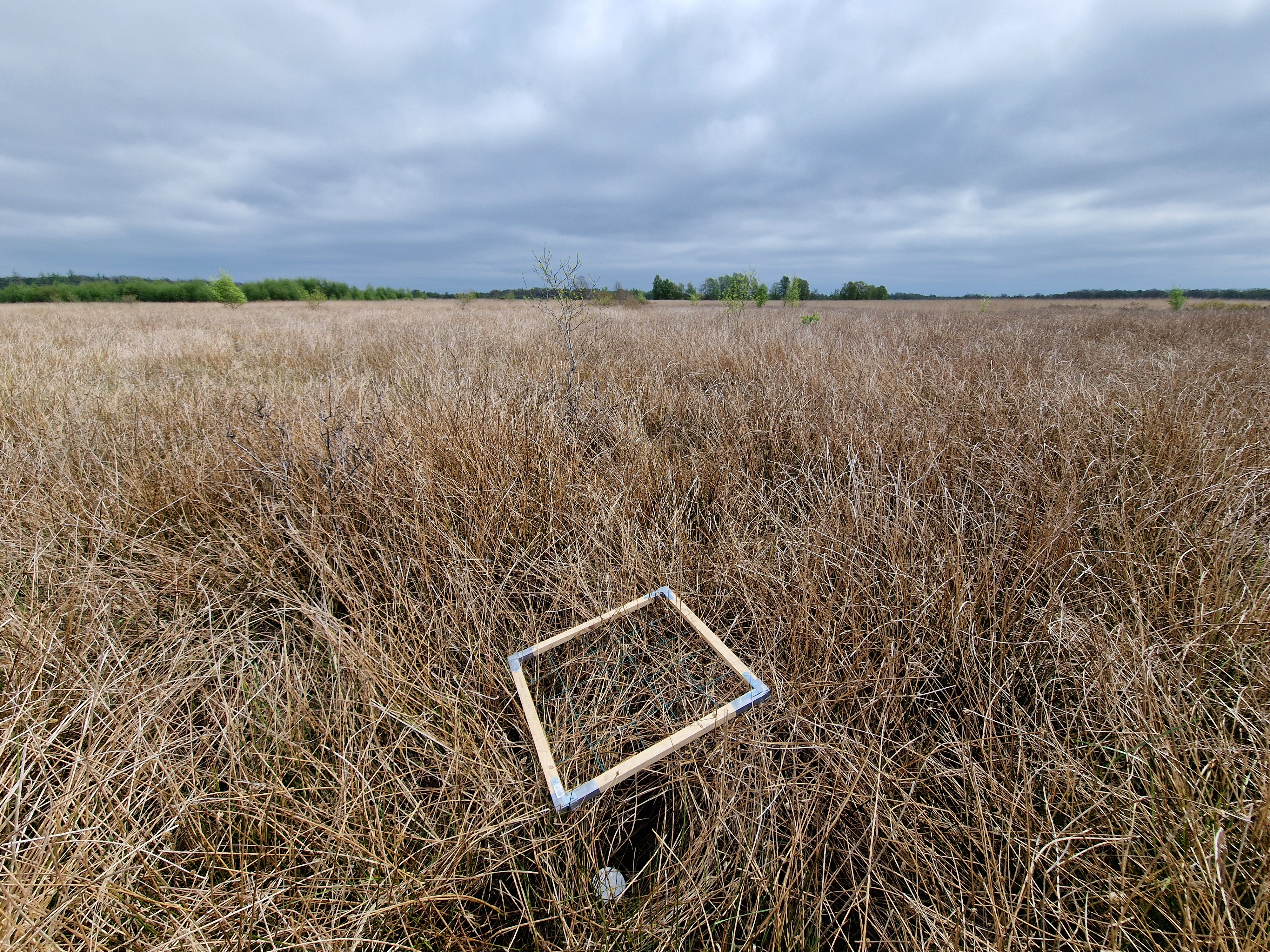
We visited this remarkable place in spring to set up a new EcoFracNet study site, focusing on biodiversity and ecosystem variation across a fine-scale moisture gradient, from boot-deep mud to dry sandy ridges dotted with pines. This is one more piece in our ongoing effort to cover all major Dutch habitat types with EcoFracNet. But there’s another reason this site deserves a closer look.
To protect its rare biodiversity, park managers Natuurmonumenten and Staatsbosbeheer are continuously refining their management. Most recently, they’ve expanded the role of large grazers in the landscape, with a striking herd of Exmoor Ponies now roaming the area. These shifting grazing dynamics are likely to reshape local patterns of heterogeneity – and with them, the scales at which biodiversity varies. That’s exactly what EcoFracNet is built to study: teasing apart the spatial fingerprints of ecological variation, from the patch to the landscape level.
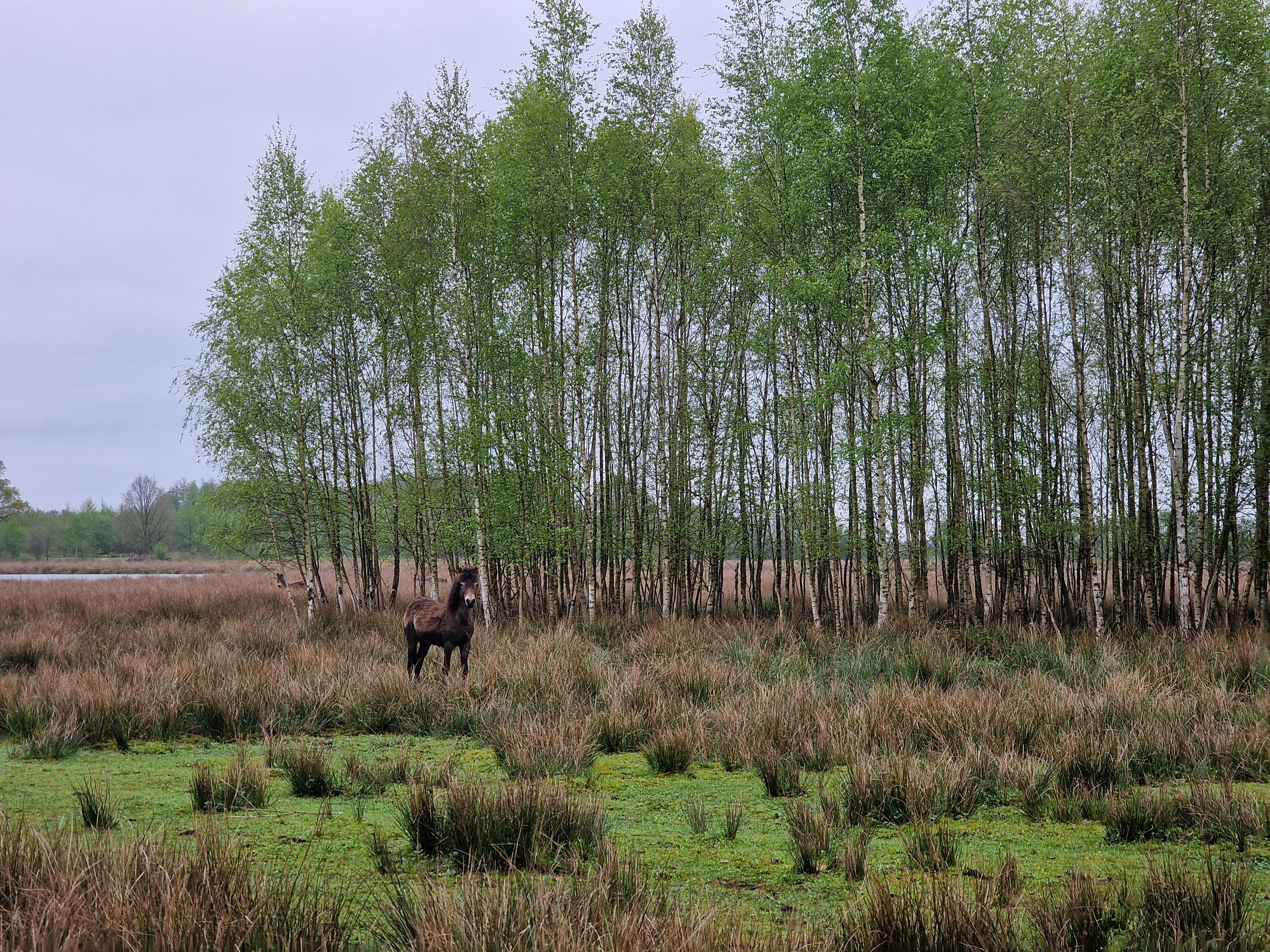
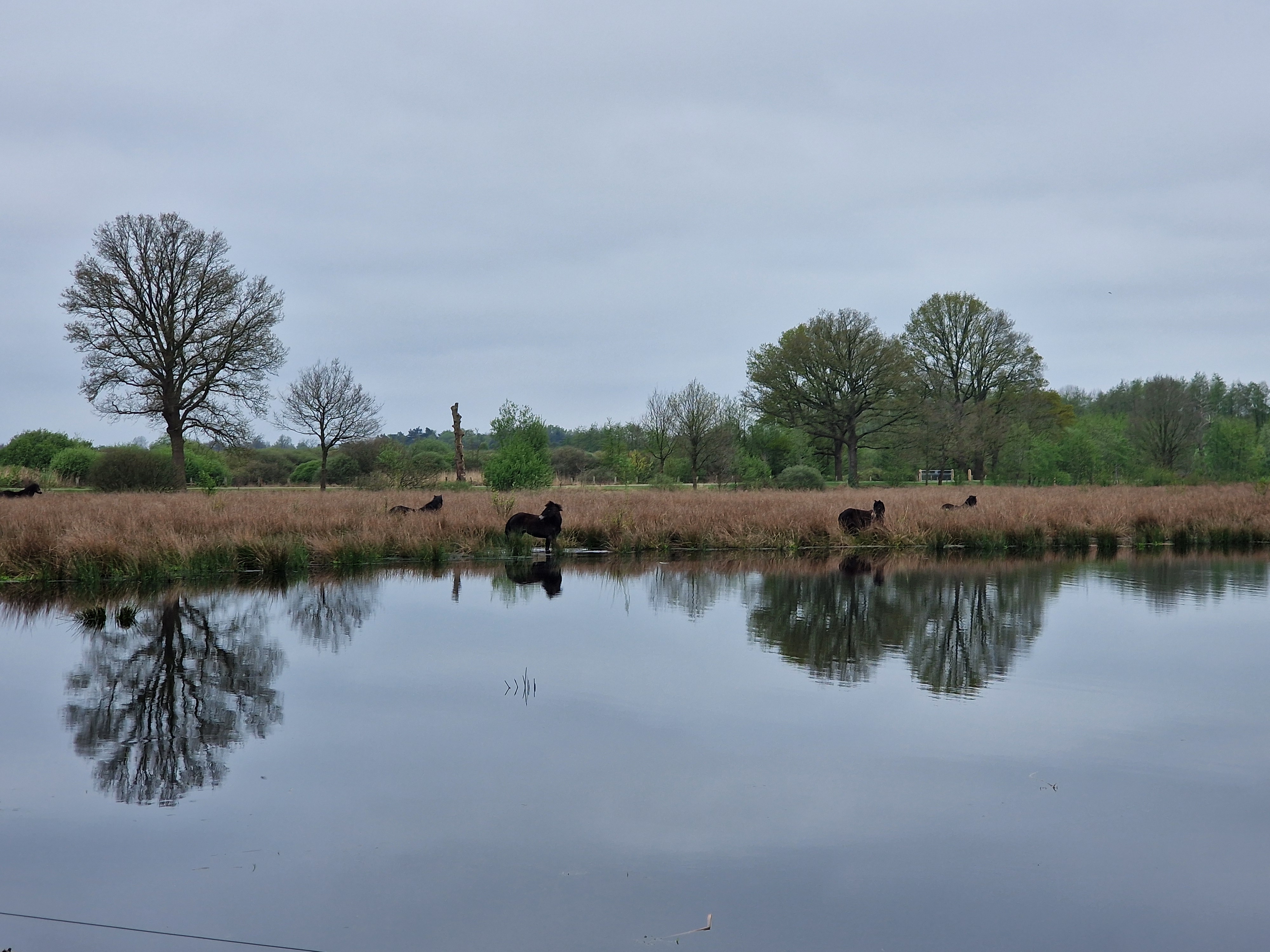
We’re also looking below the surface. Together with colleagues from the group, we’re analyzing belowground biodiversity and ecosystem functioning, to explore whether patterns beneath our feet mirror those we see aboveground, or tell a different story entirely.
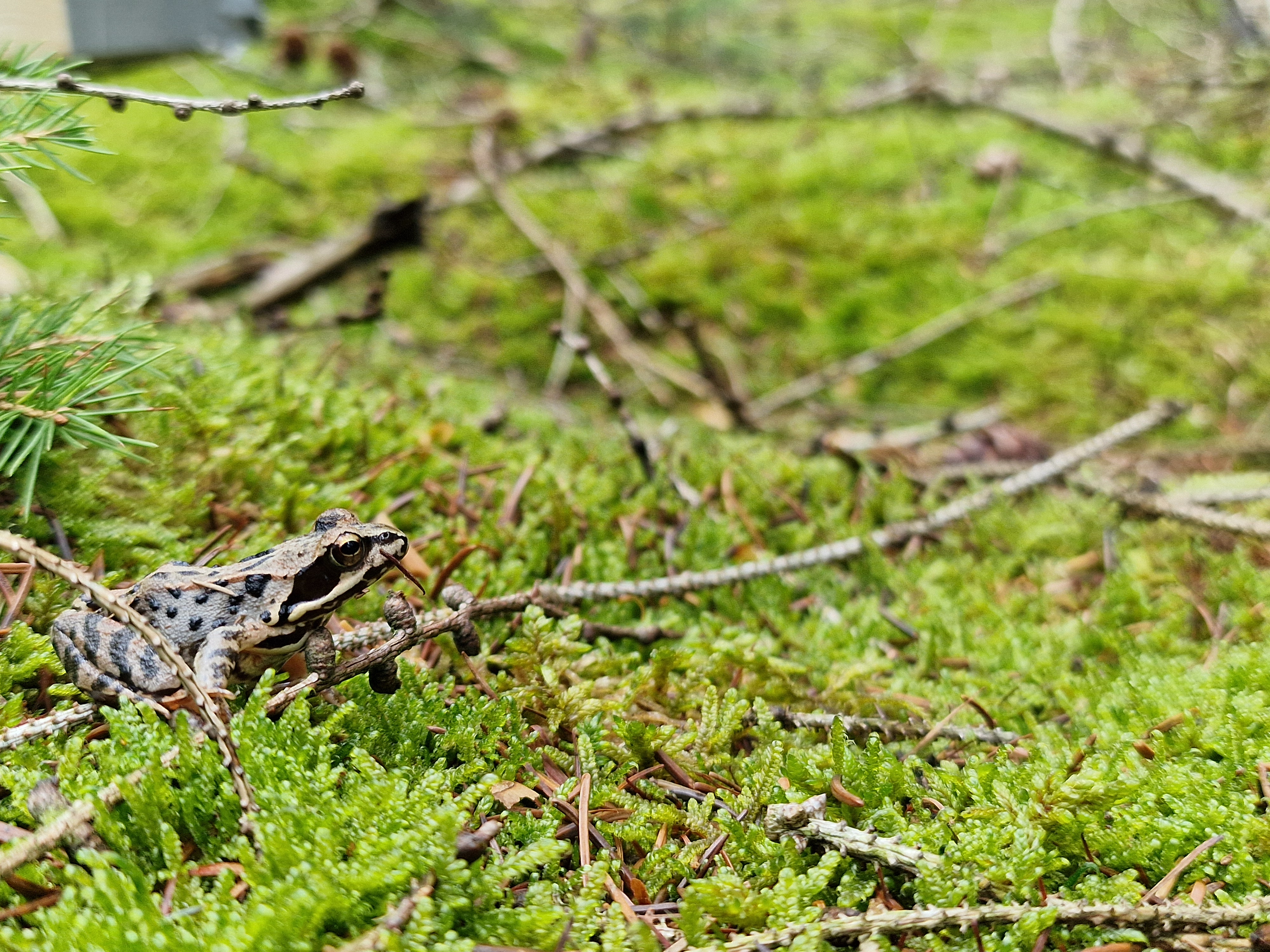
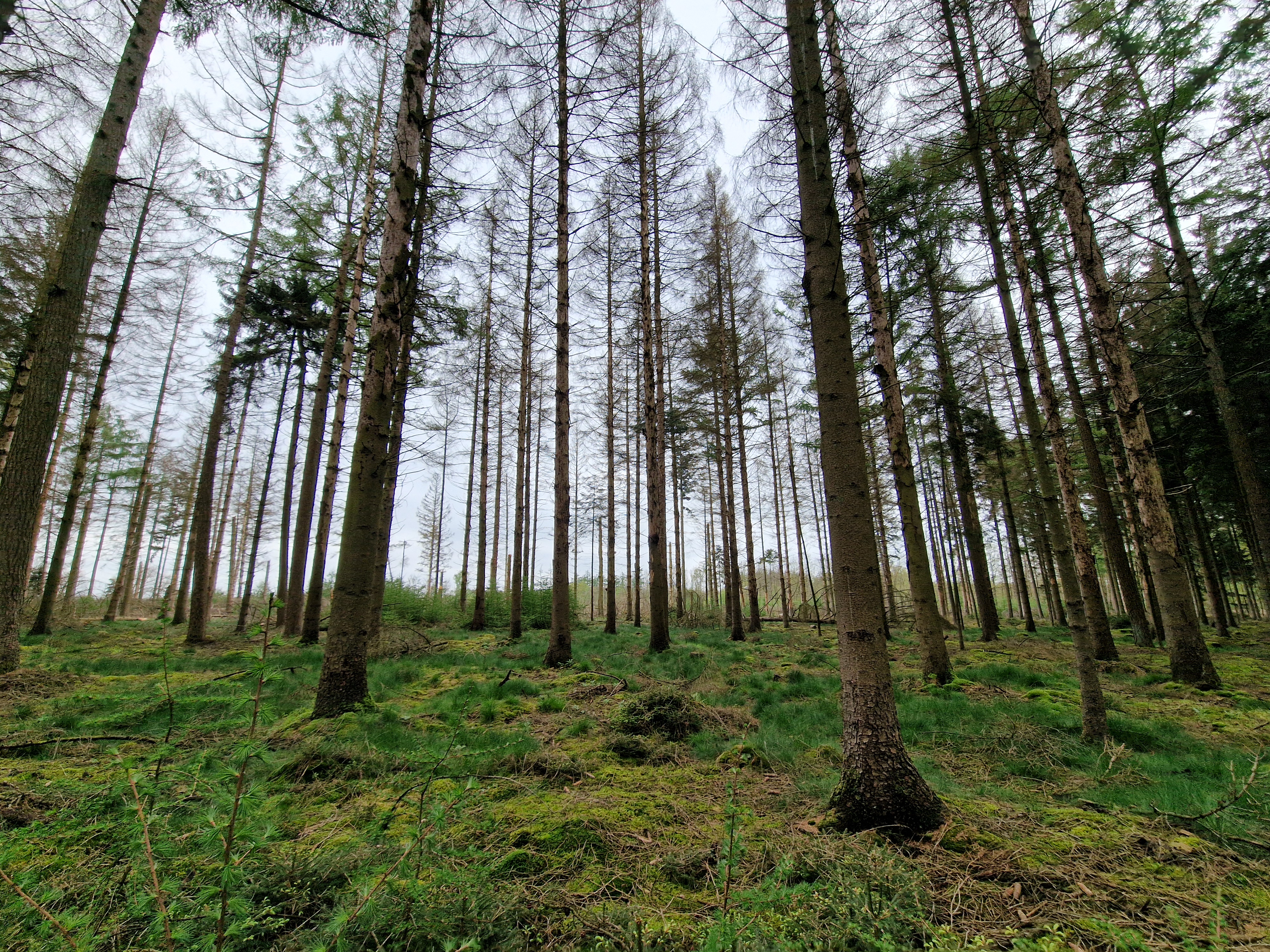
That’s all we’ve got for now. Our students are digging into the data (as they did into the mud), and we’re looking forward to seeing what they uncover. In the meantime, this post is really just a nod to this uniquely strange and beautiful landscape that so captivates you when roaming through it.


 The 3D lab