

Our EcoFracNet project aims to uncover patterns of biodiversity across all kinds of landscapes — including those where biodiversity isn’t necessary a priority, like agricultural areas.
Even these landscapes can host a surprising variety of life: along field edges, in fallow patches, or even hidden within the rows of monocultures. By monitoring that plant biodiversity in exactly the same way as we do in forests, grasslands, or peatlands, we can put it into context. How much does it contribute? At what scales does it vary? And ultimately – what role does it play, and could it play, in the biodiversity of the future?
Given the central role agriculture plays in our landscapes, that perspective is essential – guiding us from understanding what’s there now to exploring how we can best make use of this space for biodiversity.
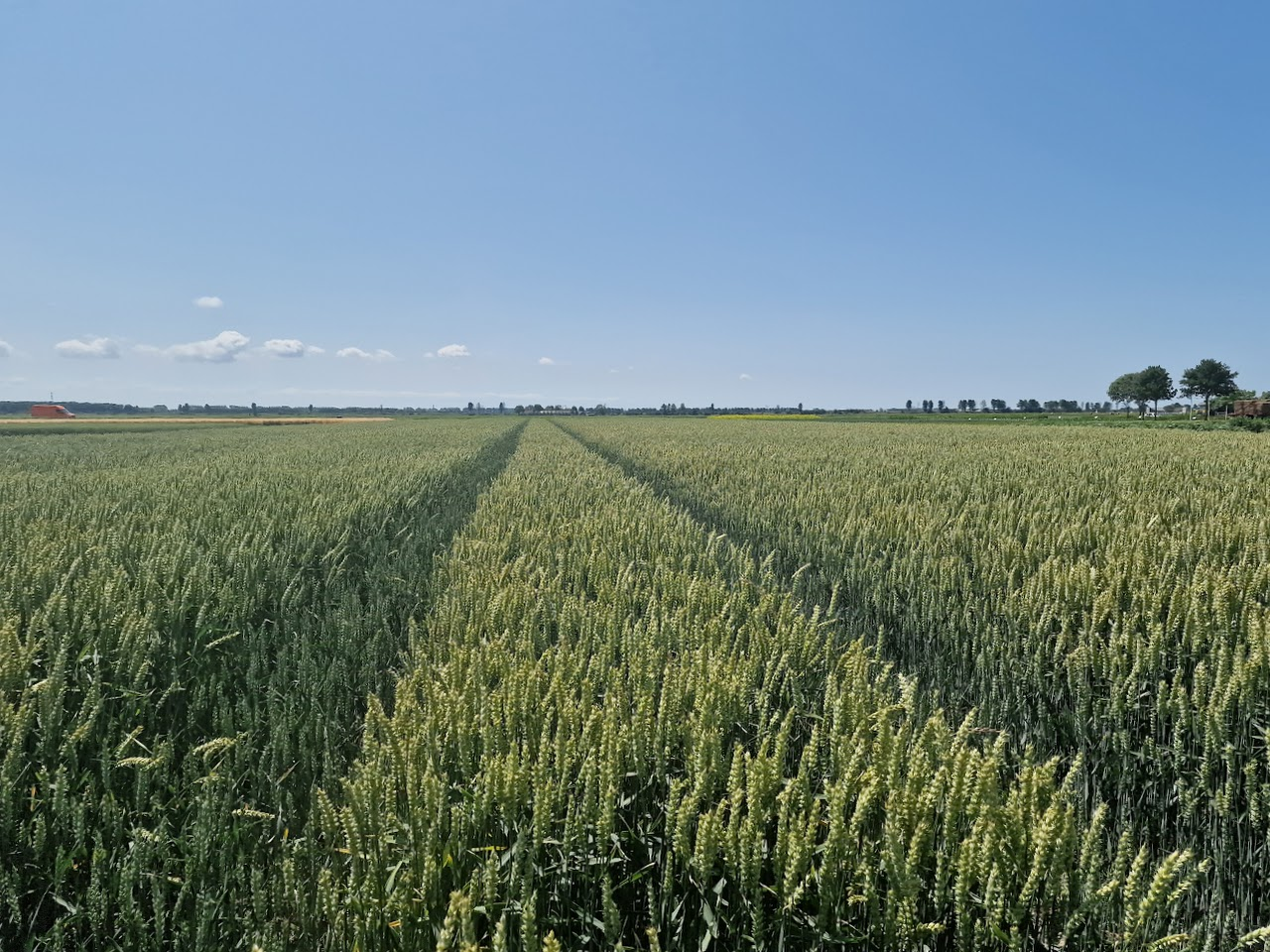
We’ll explore these questions at De Rusthoeve, an experimental farm in Zeeland, the Netherlands. With its long history of working with scientists and sensors, it’s an ideal place to study biodiversity and environmental heterogeneity in an agricultural setting, without feeling too much like a bother to the general functioning of the farm!
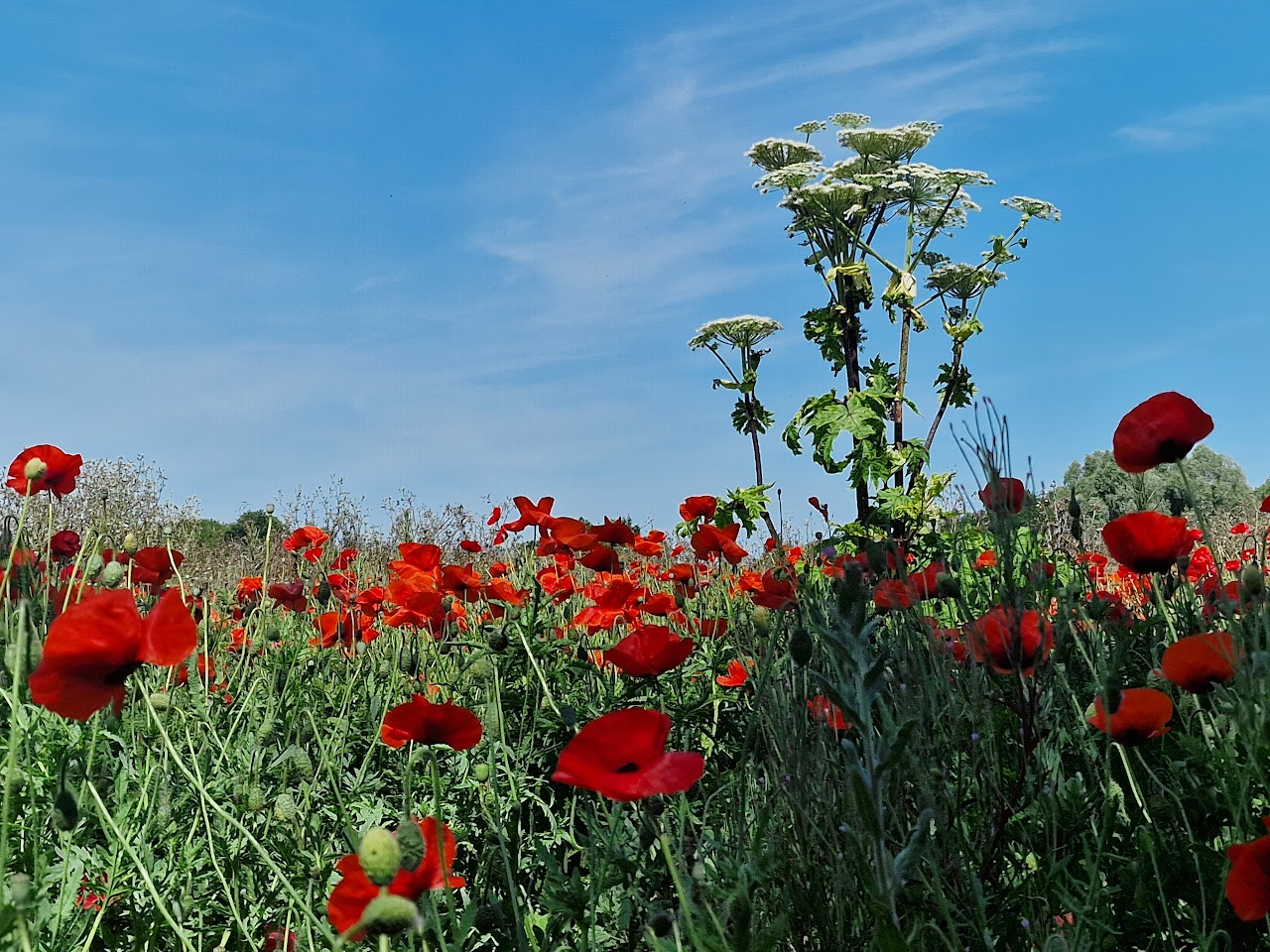
Last week, under a perfectly blue Zeeland sky, I visited the farm for the first time. Looking forward to returning soon and getting everything set up!




 The 3D lab